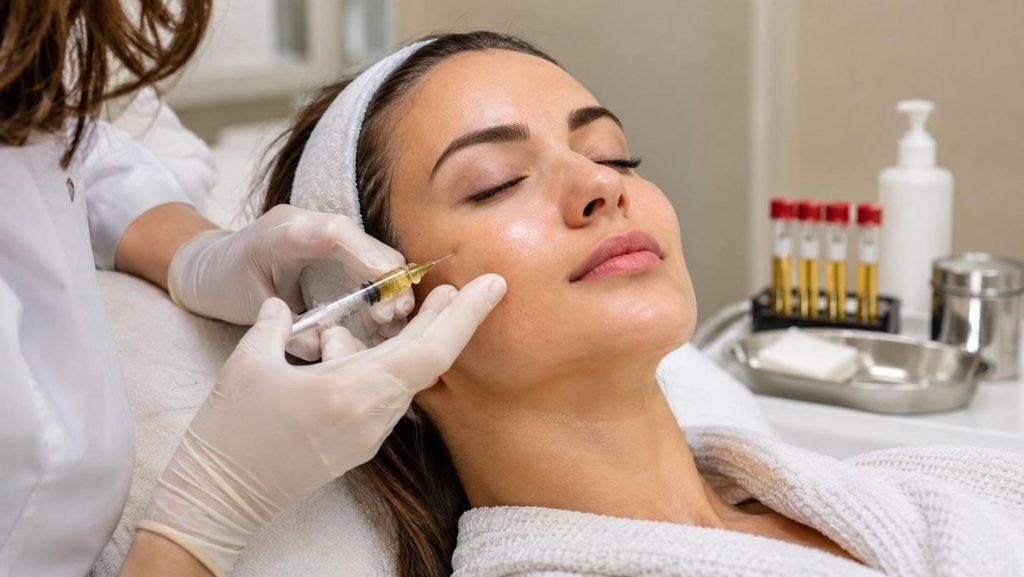
How PRP Fits Into a Modern Anti-Aging Skincare Routine
A good skincare routine can help keep skin healthy, but it cannot prevent every sign of aging. Over time, fine lines, uneven texture, and a loss of firmness may appear, even in people who take good care of their skin. Sun exposure can add to these changes. This is worth keeping in mind in sunny parts of Southern California, including Beverly Hills, where spending time outdoors can mean regular exposure to ultraviolet (UV) rays.
For people looking beyond creams and serums, platelet-rich plasma (PRP) is one treatment that may be worth learning about. It uses material from a person’s own blood and is designed to support the body’s natural repair process. Understanding how it works, what it may help with, and where it fits into a routine can make it easier to decide whether it is worth discussing with a qualified provider.
What Is PRP and How Does It Work?
PRP stands for platelet-rich plasma. It is made by taking a small sample of blood and placing it in a machine called a centrifuge. The machine spins the sample and separates its parts, allowing the platelet-rich portion to be collected.
People exploring PRP in Beverly Hills may come across different ways of using the treatment. Depending on the skin concern and treatment plan, PRP can be applied to the skin or injected into selected areas. It may also be combined with procedures such as microneedling or laser resurfacing.
Platelets help the body respond to injury and support tissue repair. They release proteins called growth factors, which play a role in healing and cell activity. In aesthetic care, the aim is to use these properties to support the skin’s natural repair activity and encourage collagen production.
Collagen is a protein that helps give skin its strength and structure. As people age, collagen levels change, which can contribute to fine lines and less firm skin.
What Skin Concerns May PRP Address?
PRP is used in aesthetic care to help improve the look and feel of the skin. Depending on the treatment method and the person receiving it, possible goals may include:
- Softening the appearance of fine lines and wrinkles
- Improving uneven skin texture
- Reducing the look of some minor facial scars
- Giving the skin a fresher appearance
Results can vary, and PRP should not be viewed as a way to stop the natural aging process. It may also be used alongside other treatments when a provider believes a combined approach is suitable.
Research is still developing. A small clinical study published in JAMA Dermatology included 27 people and found improvements in skin roughness and wrinkles in areas treated with PRP at a six-month follow-up. However, a small study cannot show that every patient will get the same result.
Where PRP May Fit Into an Anti-Aging Routine
PRP is best seen as a possible addition to a wider skin care plan, rather than a replacement for everyday habits. A simple routine still plays a major role in keeping skin in good condition.
For example, daily care may include:
- Gentle cleansing: Use a cleanser that removes dirt and oil without leaving the skin feeling tight.
- Moisturizing: Apply a moisturizer that suits your skin type to help maintain comfort and hydration.
- Sun protection: Use a broad-spectrum sunscreen with SPF 30 or higher when spending time outdoors.
- Healthy habits: Get enough sleep, eat a balanced diet, and avoid smoking where possible.
The AAD recommends broad-spectrum SPF 30 or higher to help protect against UV damage. Its sunscreen guidance also explains how sunscreen can help reduce the risk of early skin aging caused by too much unprotected sun exposure.
A provider may suggest PRP if a person wants to address certain skin changes that basic skin care has not improved. The treatment plan should depend on the person’s skin, health history, and goals.
What to Know Before Considering Treatment
A consultation is important because PRP is not right for everyone. Certain blood disorders, active infections, and health conditions that affect healing may make someone unsuitable for treatment. A provider should review medical history, current medications, and the condition of the skin before making a recommendation.
It is also useful to ask what the process involves, how many sessions may be suggested, what results are realistic, and whether another treatment might be more suitable. Some people experience temporary redness, swelling, tenderness, or sensitivity after treatment. Results also tend to develop gradually over several weeks or months, rather than appearing overnight.
If PRP is combined with microneedling or another procedure, ask why that approach is being suggested and what extra recovery time it may involve. A clear treatment plan should explain both the possible benefits and the limits.
Building a Routine With Realistic Goals
A modern anti-aging routine does not need to involve every treatment available. Consistent skin care, sun protection, and healthy habits provide a strong starting point. Treatments such as PRP may offer another option for people who want to address certain visible changes, but the results are not guaranteed.
The best plan is one that fits the person’s skin and health needs. Taking time to understand the evidence, discuss possible risks, and set realistic goals can help make that choice with greater confidence.