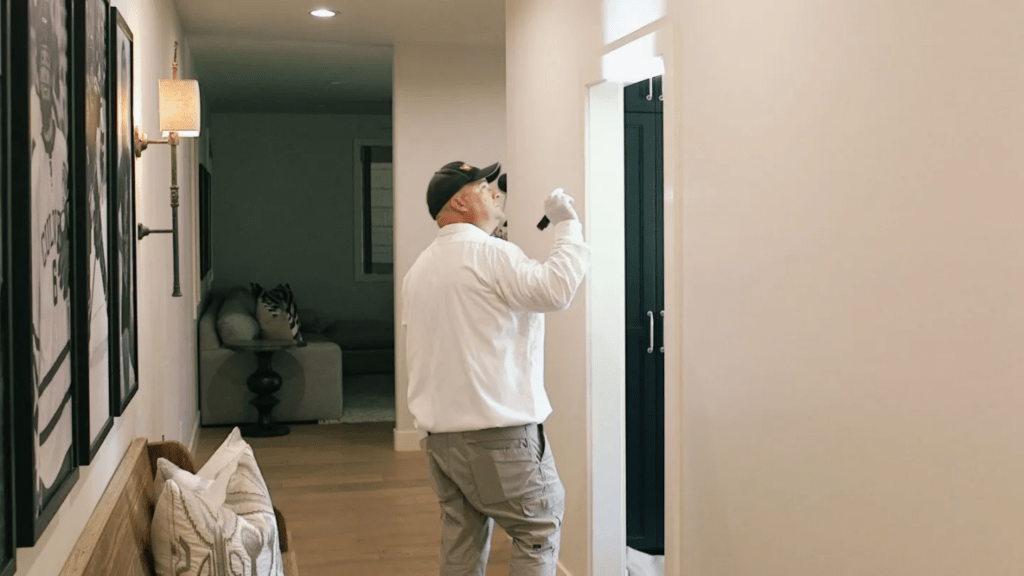
How Preventive Property Inspections Help Protect Homes and Reduce Long-Term Pest Risks
Homeowners often focus on visible maintenance issues such as roof leaks, plumbing faults, or damaged paintwork, but many of the most expensive property problems begin quietly and remain unnoticed for months. Pest activity is one of those hidden risks that can gradually affect a property’s structure, hygiene, and long-term value.
Preventive property care has become increasingly important because it shifts attention from fixing damage to avoiding it altogether. Instead of waiting until termites, rodents, or moisture-related issues become severe, early assessment allows homeowners to detect warning signs and take action before repairs become costly.
One of the most effective ways to support a preventive approach is through professional building and pest inspections.
Why Prevention Delivers Better Long-Term Results
Traditional pest treatment often begins after signs of infestation become obvious. By that stage, pests may already have caused structural deterioration, contamination, or expensive repair requirements.
Preventive strategies operate differently. They focus on understanding environmental conditions, structural weaknesses, and early indicators that create opportunities for pests.
Small issues such as excess moisture, poor drainage, timber exposure, hidden entry points, or inadequate ventilation can all contribute to future pest problems. Identifying these conditions early provides homeowners with practical recommendations that help avoid larger issues later.
This proactive mindset not only reduces treatment costs but also supports healthier and more durable living environments.
The Connection Between Building Conditions and Pest Activity
Pests rarely appear without a reason. Most infestations happen because a property offers access to food, moisture, shelter, or hidden nesting areas.
Structural conditions commonly linked to pest activity include:
- Cracks in foundations or walls
- Water leaks and poor drainage
- Damp subfloors and roof cavities
- Timber-to-ground contact
- Unsealed entry points around doors and windows
- Hidden moisture accumulation
Many of these issues are difficult to identify during everyday living because they develop behind walls, under floors, or inside roof spaces.
A detailed inspection process helps uncover these hidden vulnerabilities before they turn into larger concerns.
Early Detection Supports Smarter Pest Prevention
Preventive inspections create opportunities to intervene before active infestations become established.
Pest Control based on prevention works differently by targeting risks before they become problems. By identifying vulnerabilities early through a building and pest inspection Melbourne, homeowners can stop pests from entering and settling indoors. This reduces the need for intensive treatments later.
Rather than reacting to damage after it occurs, homeowners can make targeted improvements that strengthen the property’s overall condition.
Benefits Beyond Pest Management
Although pest prevention is a major advantage, inspections deliver broader benefits that support long-term property ownership.
Protecting Structural Integrity
Certain pests, especially timber-damaging species, can weaken structural elements over time. Early identification helps minimise deterioration and preserve property value.
Supporting Maintenance Planning
Inspection findings often reveal maintenance priorities that homeowners may otherwise overlook. Addressing smaller repairs early usually prevents larger renovation expenses.
Improving Property Confidence
Whether someone plans to stay long term or eventually sell, understanding the property’s condition provides greater confidence and fewer unexpected surprises.
Reducing Future Costs
Preventive spending is often considerably lower than emergency repairs, extensive pest treatments, or structural restoration work.
Creating a Long-Term Home Protection Strategy
Preventive pest management should not be viewed as a one-time event. Property conditions change with weather, seasonal moisture levels, renovations, and natural ageing.
Homeowners can strengthen long-term protection by:
- Scheduling periodic inspections
- Addressing moisture issues promptly
- Keeping external areas clean and well-maintained
- Monitoring timber exposure
- Sealing gaps and entry points
- Following professional maintenance recommendations
When these practices become part of routine home care, the likelihood of serious infestations decreases significantly.
Final Thoughts
Long-term property protection depends on more than reacting to visible problems. Hidden vulnerabilities can develop slowly and create conditions that allow pests to thrive unnoticed.
Preventive inspections offer a practical way to identify concerns early, improve maintenance decisions, and reduce future repair costs. By focusing on prevention rather than treatment alone, homeowners can create safer, healthier, and more resilient living spaces for years to come.