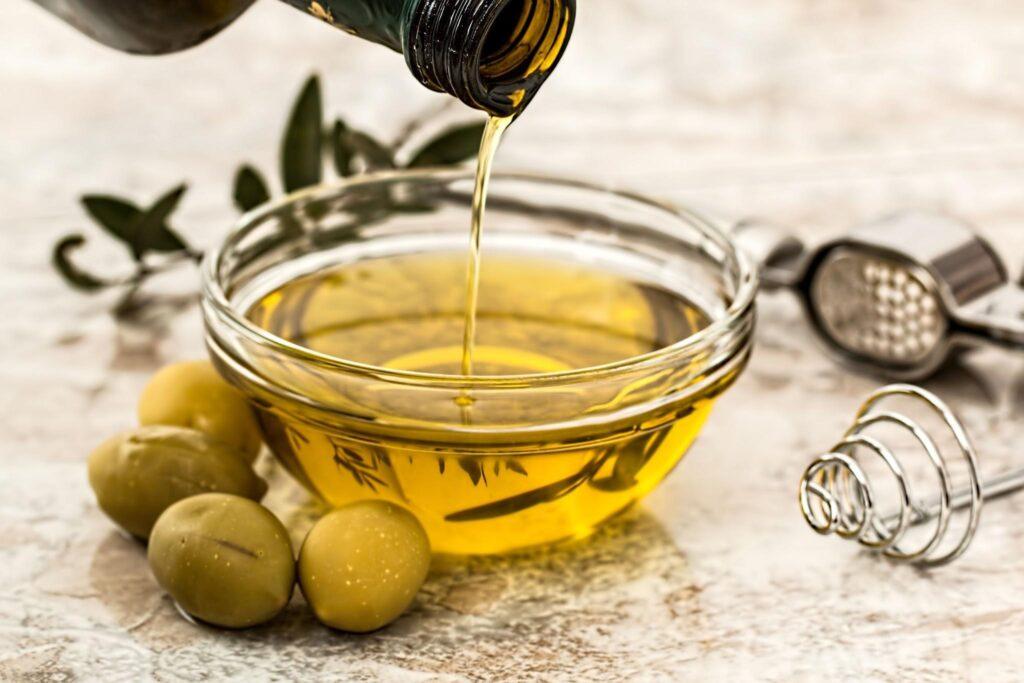
How Organic Extra Virgin Olive Oil Refines Gourmet Dishes
Gourmet cooking relies on high-quality ingredients that bring natural flavors to life. Pure cold-pressed oils act as the quiet backbone of upscale recipes.
Selecting top-tier finishing oils changes standard dinners into memorable culinary moments. Home chefs gain complete control over taste profiles with proper bottle choices.
Mastering Flavor Profiles in High-End Cooking
Top kitchens across the nation demand unrefined ingredients to preserve subtle peppery notes. Selecting a bottled oil that is Certified Extra Virgin by the California Olive Oil Council, for example, gives chefs confidence in pure chemical and sensory standards. Every drizzle provides balanced richness without chemical additives or heavy residue.
Natural acidity remains low when olives undergo rapid processing after harvest. Sharp herbaceous tones cut through creamy sauces or roasted vegetables with ease. Careful handling transforms basic salad dressings into restaurant-worthy drizzles.
Complex aromas wake up simple grain bowls or grilled seafood plates. Subtle grassy accents round out bitter greens without smothering original ingredients. Proper application highlights natural produce textures in subtle ways.
Understanding Pure Cold Extraction Standards
Cold pressing keeps heat levels low during extraction to guard fragile antioxidants. Sustainable agriculture plays a major role in preserving natural soil minerals for healthy trees. Modern milling techniques in California regional facilities help produce clean liquid gold without harsh chemical solvents.
Clean farming methods skip synthetic pesticides and reliance on artificial fertilizers. Unfiltered varieties retain microscopic fruit particles that boost flavor depth. Kitchens benefit from clean finishes that linger pleasantly on the tongue.
Quality producers test every batch to verify low free fatty acid levels. Stringent guidelines keep low-quality blends out of professional kitchen pantries. True extra virgin standards guarantee authentic olive juice in every drop.
Elevating Raw Preparations and Finishing Touches
Unheated applications showcase delicate fruity notes better than cooked recipes. Drizzling raw oil over fresh burrata or vine-ripened tomatoes creates quick magic. Cold finishes coat ingredients gently, releasing aromatic compounds as the dish sits.
Drizzle options work exceptionally well on various cold dishes:
- Aged balsamic vinegar over sliced pears
- Fresh citrus zest paired with raw carpaccio
- Flaky sea salt sprinkled on crusty sourdough
Simple additions turn basic snack boards into memorable spreads.
Raw sea bass carpaccio gains clean brightness from fruit-forward drip finishes. Chilled gazpacho bowls gain smooth body when whipped with green oils right before serving. Raw preparations benefit most from fresh harvest releases.
Balancing Heat and Taste in Sauteed Dishes
Moderate cooking temperatures protect delicate flavor compounds during light pan frying. Keeping heat below 375 degrees Fahrenheit prevents unwanted smoke in home kitchens. Quick sautés allow subtle pepper finishes to bind with warm ingredients.
Warm pan liquids absorb herbal notes, coating vegetables evenly during quick tosses. Searing delicate fish fillets with clean oils seals in moisture without heavy grease. Light heat draws out hidden sweetness in root vegetables.
Swirling oil into warm pan reductions creates smooth, rich sauces instantly. Pan juices merge with raw fats to build rich emulsion bases. Balanced heat keeps natural antioxidants active throughout short cooking cycles.
Pairing Rich Oils With Artisanal Ingredients
Artisanal cheeses demand finishing drizzle choices that match their age and complexity. Sharp goat cheese pairs well with early harvest options that possess bold peppery kicks. Industry experts at Flos Olei awarded top organic producers a perfect 100 score in 2025 for exceptional flavor balance.
Aged parmesan wheels welcome robust olive oil drizzles to smooth out salty bites. Soft brie spreads benefit from buttery, mild olive varieties with floral undertones. Correct pairings allow ingredient elements to shine without competition.
Dense heirloom grains absorb rich liquid fats during final resting periods. Stirring spoonfuls into warm farro or quinoa adds luxurious shine and texture. Earthy mushrooms pair seamlessly with robust green oils in rustic dishes.
Global Trends in Quality Culinary Oils
Consumer interest in pure regional oils continues to expand across international markets. Industry figures show global consumption of extra virgin olive oil topped 1.9 million metric tons in 2024, with Mediterranean regions producing most volumes. Diners actively seek authentic culinary experiences built around unrefined plant fats.
Modern home cooks replace heavily processed seed oils with cold-pressed olive options. Traceability labels give buyers clear insight into harvest dates and farm locations. Clean eating movements place high value on minimal processing standards.
Specialty food markets expand shelf space for single-estate organic bottles. Culinary schools now teach oil tasting courses alongside traditional wine pairing lessons. The movement toward pure, traceable ingredients keeps growing worldwide.
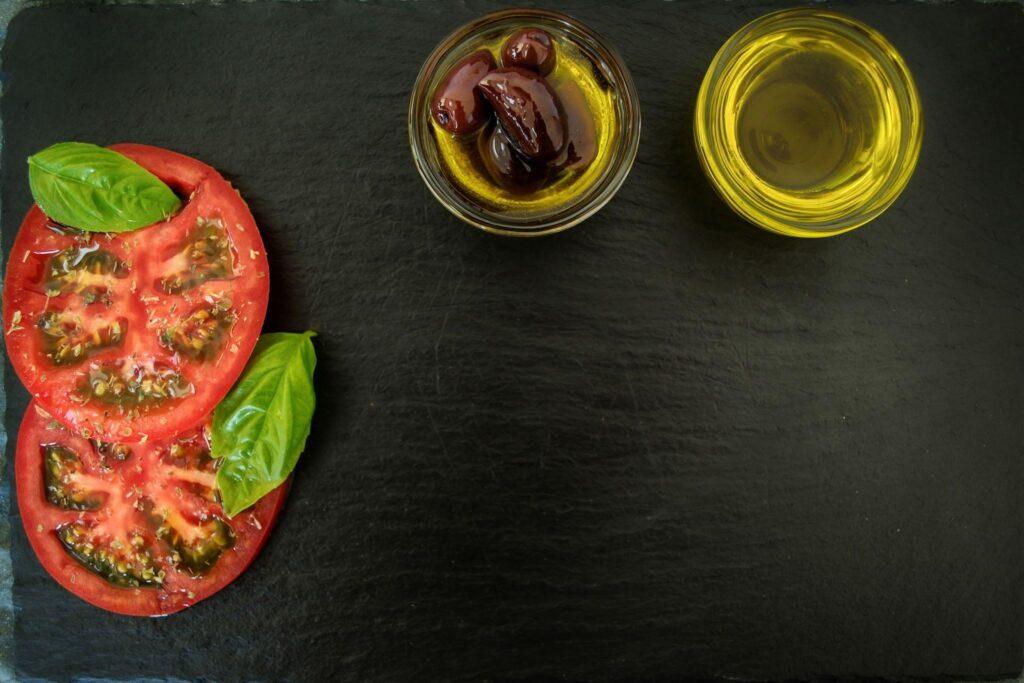
Bringing organic cold-pressed oil into home cooking transforms everyday meals into gourmet experiences. Small details in sourcing and processing create distinct flavor profiles on every plate.
Experimenting with raw finishes and heat pairing opens new creative paths in the kitchen. Quality bottles remain a reliable foundation for memorable dining moments.