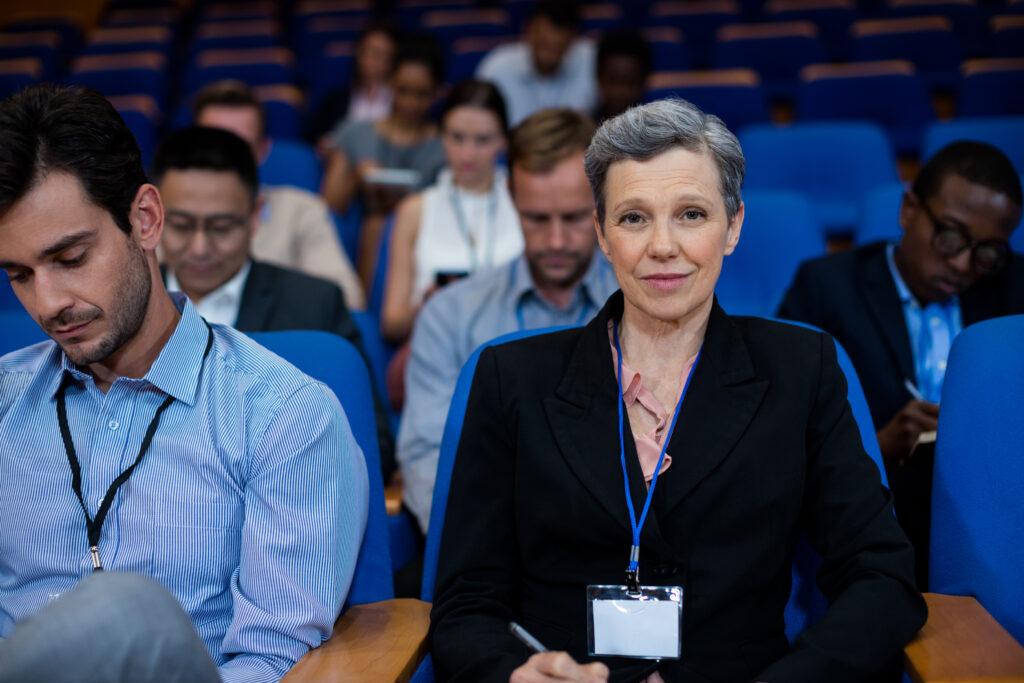
How NYC Executives Plan Standout Conferences
One can imagine the challenge of organizing a major conference in New York City – the ultimate meeting place, where energy and opportunities abound, but so does competition for attention.
Executive teams are always looking for ways to create unique events that are memorable for their attendees. These types of events create a lot of buzz and can establish an Executive Team as leaders within their industry. Events planned on autopilot that are typical of what has been done before are usually barely remembered and lack any real value for the attendees.
I guess it comes down to intentionality. You know?
So how do top leaders actually pull it off?
In this article, we will dive into the specifics of how top event planners plan conferences for Executive Teams in their work as event planners and conference producers.
Securing the Right Venue and Ambiance
When you are trying to decide on a venue for your conference, the location is going to set the tone for your entire event. Most event planners will look at several venues and, at the end of the day, they will pick the one that best fits their needs, for example, a historic venue with a large amount of space for guests to mingle.
The first critical step for the successful executive planning a conference is to identify a venue that is far from the normal event. This could be a renovated industrial warehouse in Brooklyn or a historic library in Midtown or even a glass-fronted rooftop in downtown. This type of space immediately sets the tone for the rest of the event.
However, style should never compromise practical needs.
Venue selection typically comes down to three factors: aesthetics, accessibility, and function. At first glance, spaces with unique architectural characteristics can add a touch of interest to gatherings. Once such characteristics have been considered, events are likely to be held in the center of the city to allow for ease of travel to and from for attendees traveling from local areas as well as abroad. The space must allow for the ability to hold sound, proper lighting, and an adequate amount of floor space. A space that is too small can be as problematic as one that is too large, as attendees can become frustrated and events lose energy in overly large venues.
Balancing a room’s spatial dynamics with the conference’s intended tone is arguably the most important criterion for choosing the right space.
Masterful Pre-Event Communication
Attendees form a perception of an event prior to their arrival at a registration desk. Therefore, effective leaders use clear and engaging communication in order to build anticipation of an event and drive attendance.
Share Conference Updates with Attendees Ahead of Time. To create anticipation for the upcoming conference, effectively manage to share updates on the conference schedule, conference speakers, maps to the conference venue, and conference opportunities to allow attendees to connect with each other before the actual event.
These messages are created using proven conference email templates that are clear and visually appealing, so they won’t get lost in attendees’ inboxes.
And that makes all the difference. It really sets the vibe.
In addition, the best organizers of conferences create a so-called ‘Digital Event Hub’ in which guests of the conference can organize their schedules, read about the speakers, and above all, connect with other attendees before the conference even starts.
Designing a Content-First Agenda
Whether a conference features short presentations followed by periods of discussion, interactive workshops, or longer-style presentations, every aspect should feature a clear focus.
Short, sweet, and highly practical sessions, including workshops, are ideal as they allow attendees to make their own choices throughout the day. Avoid long, drawn-out talks that are just filler.
Effective leaders organize for a wide array of perspectives, comprising all backgrounds, industries, levels of experience, etc. In effective conference planning, these individuals will share stories, honest and raw, which will translate into realistic lessons learned during relevant, effective panels.
So what’s the point of a keynote? Will attendees remember it tomorrow? Will they even take notes? Won’t they be hanging on every word of the speaker?
When the content is authentic and actionable, attendees will leave the conference with real insights to put into action in their own work.
Prioritizing Purposeful Networking
The main purpose of attending a conference is often networking. Event organizers need to create opportunities for attendees to connect. Often, these can feel forced or even awkward. However, event executives can create a structure for networking, allowing meaningful connections to be made naturally.
Instead of holding a traditional ‘mixer’ at the end of the conference, organizers can hold ‘networking sessions’ throughout the day. For example, speed networking sessions, round table discussions organized around specific industry topics, and even small group workshops where participants can engage in discussion with a smaller group of people.
Technology can also facilitate networking; for example, the Conference App can create attendee profiles and enable attendees to select potential meeting partners based on interest or goal. Attendees can then arrange for coffee break meetings during the conference, etc.
By setting up the networking so that it’s easy for people to start conversations, then the organizer’s job is done. The rest will follow.
Flawless Logistics and On-Site Operations
Even the best speakers can’t save an event suffering from operational failures. The best conference organizers focus on flawless logistics.
Leading event organizers map out every step of the attendee journey well in advance. Here’s how they eliminate long wait times at check-in: by issuing digital badges in advance that attendees can print out and wear, or scan at a self-service kiosk to get into the event quickly. And, because professionals need to stay connected, leading event organizers ensure that there is robust Wi-Fi capacity in every session room.
Details matter more than most realize.
Food and beverage is another area where organizers can create a great attendee experience. They should look to provide high-quality food and have it clearly labeled so attendees with dietary restrictions can make informed choices. Also, providing attendees with a constant supply of coffee and water throughout the day will help keep them energized.
Measuring Success and Sustaining Momentum
A conference does not end when the closing remarks have been delivered. Leading organizers use the information gathered in the post-event survey to evaluate the success of the conference and maintain the momentum.
By conducting a post-event survey within 24 hours of the conference closing, the organizer gains valuable insights about the experience created for attendees. Success can be measured by weighing feedback from attendees against attendance numbers, session participation, and social media tracking.
So how do you turn a single event into long-term engagement?
Continuing the conversation beyond the close of the conference event is vital to ensuring long-term engagement with conference attendees. Session recordings, key takeaways from each session, and photos from throughout the conference are examples of information that can continue to fuel conversation and keep attendees connected long after the physical confines of the event have closed. Loyalty to the conference and the organizers is ensured, and attendees can anticipate an even larger and more dynamic event at next year’s conference.