How Modern Travel Habits Are Influencing Lifestyle Consumer Trends
Travel behaviour has changed considerably over the past decade, reshaping not only tourism industries but also wider consumer habits across retail, technology, fashion and personal lifestyle sectors. Industry analysts say modern travellers are increasingly influencing how products are designed, marketed and consumed as mobility, flexibility and convenience become central to everyday life.
The growth of low-cost airlines, hybrid working arrangements and digital booking platforms has made travel more frequent and accessible for millions of consumers. Short city breaks, remote working holidays and flexible leisure travel are now common among younger demographics, particularly across the UK and Europe.
These shifts are having a direct impact on lifestyle spending patterns. Consumers are increasingly prioritising portability, simplicity and products that integrate easily into fast-moving routines shaped by regular travel and digital connectivity.
Retailers and brands are responding by redesigning products for convenience-focused consumers who expect functionality without compromising personal style or comfort. Market researchers say the influence of travel culture now extends far beyond tourism, shaping broader purchasing behaviour across multiple sectors.
Flexibility Is Redefining Consumer Expectations
One of the most noticeable changes in modern travel habits is the growing preference for flexibility. Travellers increasingly expect services and products to adapt to unpredictable schedules, mobile working patterns and shorter booking windows.
This mindset has influenced wider consumer behaviour. Products that save time, reduce inconvenience or improve portability are performing strongly across both online and physical retail environments.
Fashion retailers, for example, have expanded collections focused on lightweight fabrics, wrinkle-resistant clothing and versatile designs suitable for both work and leisure settings. Technology companies are investing heavily in compact devices and wireless accessories designed for people frequently travelling between locations.
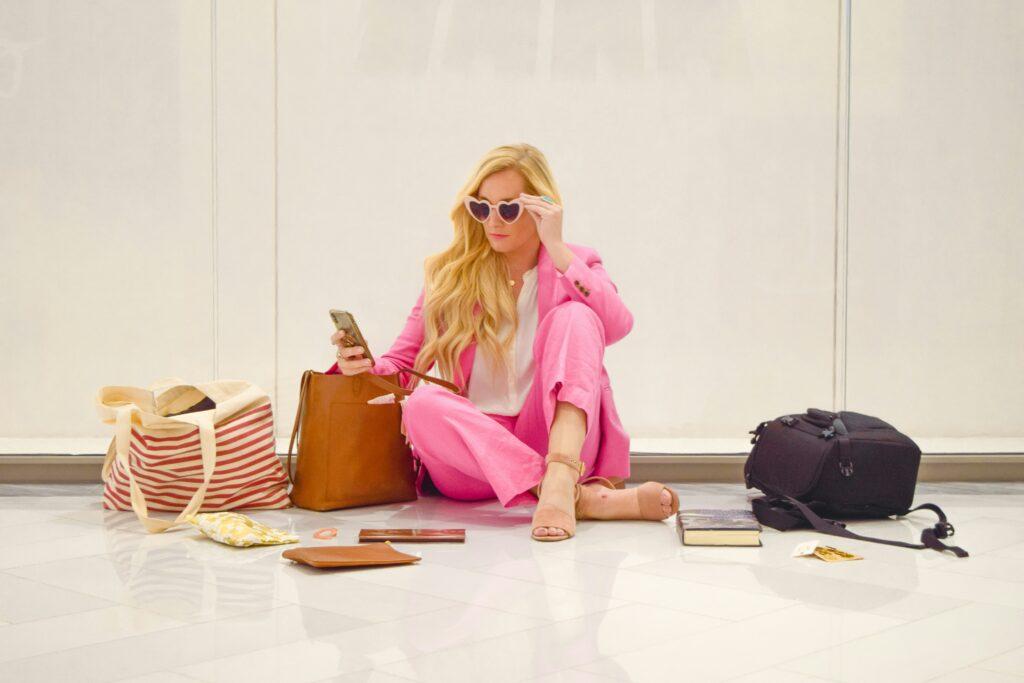
Consumers are also becoming more selective about what they carry. Airline baggage restrictions and rising travel costs have encouraged demand for smaller, multi-purpose products that support mobility without adding unnecessary bulk.
Industry experts say this preference for efficiency reflects broader lifestyle adjustments rather than temporary travel trends alone. Consumers increasingly value products that support movement, convenience and flexibility across everyday routines.
Travel Retail Is Influencing Mainstream Shopping
Airports and transport hubs have become important testing grounds for wider retail trends. Products gaining popularity within travel retail environments often transition into mainstream consumer markets shortly afterwards.
Retail analysts say travellers tend to favour products that combine accessibility, practicality and familiarity. This has contributed to rising demand for compact cosmetics, portable wellness products and travel-friendly technology accessories.
Lifestyle-focused retail categories have also expanded within airports, railway stations and urban transport centres as operators adapt to changing consumer priorities. Shoppers increasingly purchase items linked to comfort, convenience and personal routines while travelling.
Within specialist retail markets, affordability and accessibility remain important factors influencing purchasing decisions. Discussions around products such as 88vape e liquid frequently appear alongside wider consumer conversations about travel convenience, portable lifestyle products and changing retail habits among mobile consumers.
Retail consultants note that modern travellers often research products extensively before purchasing, particularly through online reviews and social media recommendations. This has increased pressure on brands to maintain both quality and strong digital visibility.
Hybrid Working Has Strengthened Mobility Trends
The rise of remote and hybrid working has accelerated many travel-related consumer changes. Professionals no longer travel exclusively for holidays or traditional business trips. Increasingly, consumers combine work, leisure and personal activities within more flexible schedules.
This shift has influenced spending habits significantly. Consumers are investing more in products that support mobility, including portable technology, compact personal care items and lightweight travel accessories.
The distinction between business travel and leisure travel has also become less defined. Industry researchers say many consumers now extend work trips into personal holidays or relocate temporarily while working remotely.
As a result, brands are marketing products around adaptability rather than fixed-use scenarios. Items designed for commuting, travelling and flexible working environments are seeing growing demand across younger demographic groups.
Retailers have responded by prioritising convenience-based shopping experiences. Faster delivery services, mobile payment systems and click-and-collect options are increasingly viewed as essential rather than premium features.
Social Media Influence
Digital platforms continue playing a major role in how travel influences consumer behaviour. Social media content centred around travel, lifestyle and productivity has contributed to rising demand for products associated with mobility and convenience.
Travel influencers frequently showcase minimalist packing techniques, compact accessories and practical lifestyle products designed for people constantly moving between locations. These trends often spread quickly through short-form video platforms and online recommendation communities.
Consumers are also increasingly drawn towards aspirational lifestyle branding connected to freedom, flexibility and mobility. Retail experts say this explains why products linked to travel culture often perform strongly even among consumers who travel infrequently.
The visual nature of social media has amplified the commercial value of portability and design. Compact products that appear stylish, efficient and easy to transport often gain stronger engagement online.
At the same time, digital booking platforms and mobile apps have simplified spontaneous travel planning, encouraging consumers to take more frequent short trips. This behavioural shift supports continued demand for adaptable products suitable for fast-moving lifestyles.
Sustainability Is Becoming More Important
Environmental concerns are also influencing travel-related consumer trends. Travellers are becoming more conscious of waste, overconsumption and the environmental impact associated with frequent movement.
This has encouraged stronger demand for reusable products, refillable packaging and sustainable travel accessories. Brands offering environmentally responsible alternatives are increasingly attracting younger consumers who prioritise sustainability alongside convenience.
Several travel and lifestyle companies have adjusted product strategies accordingly. Refillable toiletries, reusable drink containers and long-lasting portable products are becoming more common across retail markets.
However, balancing sustainability with convenience remains challenging. Some travel-friendly products still rely heavily on disposable packaging or short product life cycles. Analysts say brands that successfully combine portability with environmental responsibility may gain a long-term competitive advantage.
Travel Culture
The growing influence of modern travel habits reflects broader cultural changes affecting how consumers live, work and shop. Mobility is no longer viewed simply as part of tourism. Increasingly, it shapes everyday expectations around convenience, accessibility and product design.
Retailers that understand these evolving behaviours are adapting product ranges and marketing strategies to reflect the priorities of increasingly mobile consumers. Businesses capable of combining portability, practicality and lifestyle appeal are likely to remain competitive as travel-driven consumption patterns continue evolving.
Industry analysts believe the connection between travel culture and retail behaviour will strengthen further over the coming years as flexible working, digital connectivity and short-form travel experiences become more deeply integrated into modern lifestyles.
For consumers, the result is a marketplace increasingly shaped by movement, adaptability and the demand for products capable of fitting seamlessly into rapidly changing routines.