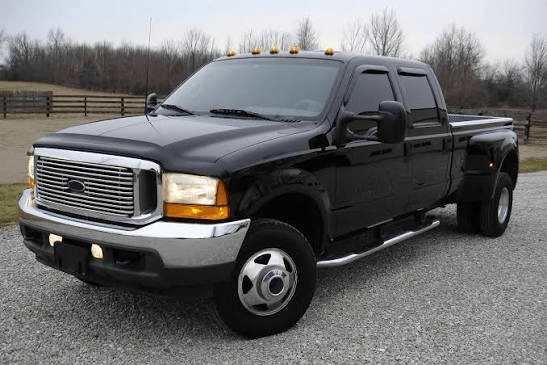
How Many Miles Is Too Many for a Used Truck?
Mileage is one of the first numbers shoppers notice when looking at a used truck, but it should not be the only factor that determines whether a vehicle is worth buying. A well-maintained truck with higher mileage can sometimes be a better purchase than a neglected truck with fewer miles. Buyers searching for used trucks for sale in Tulsa, OK should consider mileage alongside maintenance history, age, engine condition, previous use, rust, towing history, and overall mechanical condition. Understanding how mileage affects a used truck can help you make a more informed purchase.
There Is No Single Mileage Limit
There is no universal number that makes a used truck automatically too old or unreliable. A truck with 100,000 miles is not necessarily a bad purchase, just as one with 60,000 miles is not automatically a good one.
Different trucks have different maintenance requirements and durability characteristics. Some have spent most of their lives commuting on highways, while others may have been used for towing, construction, landscaping, or other demanding work.
Instead of asking only, “How many miles are too many?” ask whether the truck’s mileage is reasonable considering its age, maintenance, and previous use.
Consider the Truck’s Age
Mileage should always be evaluated alongside vehicle age. A 10-year-old truck with 100,000 miles has averaged about 10,000 miles per year, while a three-year-old truck with the same mileage has been driven much more heavily.
Annual mileage can provide useful context about how intensively the vehicle was used.
An older truck with relatively low mileage may sound attractive, but very low mileage does not automatically guarantee better condition. A vehicle that spent long periods sitting unused can still develop issues related to age, storage conditions, fluids, seals, tires, and battery condition.
Maintenance History Matters More Than the Odometer
A detailed maintenance history can provide valuable insight into how a used truck was treated.
Look for records showing routine oil changes, fluid services, brake work, tire replacement, cooling-system maintenance, and other recommended services.
A higher-mileage truck with consistent documentation may be more appealing than a lower-mileage truck with no maintenance records.
Ask whether the seller has service documentation and whether major recommended maintenance has already been completed. This information can help you estimate what expenses may be coming next.
Highway Miles Can Be Different From Work Miles
Not all miles put the same demands on a truck. A vehicle used primarily for highway commuting may experience different wear patterns from one used for frequent towing or heavy-duty work.
Highway driving can involve long periods of steady-speed operation, while work use may involve heavy loads, repeated stops, rough roads, and frequent towing.
Ask how the truck was used before buying it. If possible, determine whether it was primarily a personal vehicle, work truck, fleet vehicle, or towing vehicle.
Previous use can provide important context for interpreting the odometer reading.
Towing History Deserves Attention
Towing can place additional demands on several components, including the engine, transmission, brakes, suspension, cooling system, and drivetrain.
That does not mean a truck that has towed trailers should automatically be avoided. Many trucks are specifically designed for towing.
The important question is whether the truck was operated within its rated capabilities and maintained properly.
If towing was a major part of the vehicle’s previous use, ask about the types of trailers it pulled and whether towing-related maintenance was performed according to the manufacturer’s recommendations.
Look at the Engine Condition
Engine condition is more important than mileage alone. A used truck should start smoothly, idle consistently, and operate without unusual noises or warning signs.
During a test drive, pay attention to acceleration, engine response, temperature behavior, and overall smoothness.
Also inspect for visible fluid leaks and ask about previous engine repairs. A truck with substantial mileage may have already received important component replacements, which can sometimes be beneficial because certain major services have already been completed.
A professional pre-purchase inspection can provide additional insight into the engine’s condition.
Evaluate the Transmission
The transmission can be one of the more expensive components to repair or replace, making it important to evaluate carefully on a higher-mileage truck.
During the test drive, pay attention to whether gear changes feel smooth and consistent. Watch for unusual noises, hesitation, slipping sensations, or other behaviors that may indicate a problem.
Ask whether transmission fluid services have been performed when recommended for that particular vehicle.
Do not diagnose a potential problem yourself based solely on a test drive. If something feels unusual, have a qualified technician inspect it before completing the purchase.
Check the Suspension and Steering
Trucks often experience significant suspension demands, particularly when they are used for hauling or traveling on rough roads.
Inspect shocks or struts, suspension components, steering components, and wheel alignment. During the test drive, notice whether the truck pulls to one side, bounces excessively, or produces unusual sounds over uneven surfaces.
Uneven tire wear can also provide clues about alignment, suspension, or tire-related problems.
These issues do not necessarily make a truck a poor purchase, but they should be identified and considered when evaluating the total cost.
Inspect the Brakes and Tires
Brakes and tires are normal wear items, but replacement costs should be included in your budget.
Check tire tread depth, tire age, and wear patterns. Uneven wear may indicate alignment or suspension issues.
During the test drive, braking should feel predictable and controlled. Listen for unusual sounds and pay attention to vibrations or changes in pedal feel.
If tires or brakes are nearing replacement, use that information when calculating the truck’s overall value.
Check for Rust and Corrosion
Rust can be particularly important when evaluating an older used truck. Inspect the body, frame, wheel wells, suspension components, doors, and underside for signs of corrosion.
Surface rust may be manageable, but significant structural corrosion can be a serious concern.
A professional inspection can help distinguish cosmetic corrosion from problems that could affect the vehicle’s structural integrity.
Review the Interior and Electronics
The cabin can also provide clues about how a truck was used. Excessive wear on the driver’s seat, steering wheel, pedals, switches, and other controls may be consistent with very heavy use.
Test the major electrical and comfort features, including windows, locks, lights, climate control, infotainment, cameras, and other available equipment.
Electronics can become more important as a vehicle ages because replacing certain components can add unexpected expenses.
Check the Vehicle History
A vehicle-history report can provide useful background information, although it should not replace an inspection.
Look for information about reported accidents, title history, ownership history, service records, and other available events.
If the truck has been involved in a significant collision, ask whether repairs were performed professionally and whether supporting documentation is available.
A clean history does not guarantee a perfect vehicle, but it can provide valuable context.
Consider the Cost of Future Maintenance
Mileage can help you anticipate upcoming maintenance. As a truck accumulates miles, certain components may eventually require replacement.
Before buying, research the maintenance schedule for the specific year, engine, and configuration. Find out which major services are due soon.
A truck priced attractively may become less affordable if it immediately needs tires, brakes, suspension work, fluid services, or other repairs.
The best comparison is not simply purchase price versus mileage. Consider the purchase price plus expected near-term maintenance.
Get a Pre-Purchase Inspection
A professional inspection is one of the most useful steps when buying a higher-mileage truck.
A qualified technician can inspect the engine, transmission, drivetrain, suspension, brakes, tires, frame, electrical systems, fluid leaks, and other components.
This can help identify issues that may not be obvious during a short test drive.
If the inspection reveals problems, you can use that information to decide whether to continue, negotiate where appropriate, or consider another vehicle.
Consider How Long You Plan to Keep It
Your ownership plans should influence your mileage tolerance.
If you only need a truck for a few years and drive relatively little, a higher-mileage vehicle in good condition might meet your needs.
If you plan to keep the truck for many years and add substantial mileage yourself, starting with a lower-mileage example may provide more remaining service life.
However, condition and maintenance should remain central to the decision.
Conclusion
There is no single mileage number that makes a used truck too risky to buy. A truck’s age, maintenance history, previous use, mechanical condition, towing history, rust, and expected future expenses all matter.
Higher mileage should encourage closer inspection rather than automatic rejection. Look beyond the odometer, review maintenance records, examine the vehicle’s history, test-drive it carefully, and have a qualified technician perform a pre-purchase inspection.
Ultimately, the best used truck is not necessarily the one with the fewest miles. It is the one that combines reasonable mileage with proper maintenance, solid mechanical condition, suitable capabilities, and a price that makes sense for your needs.