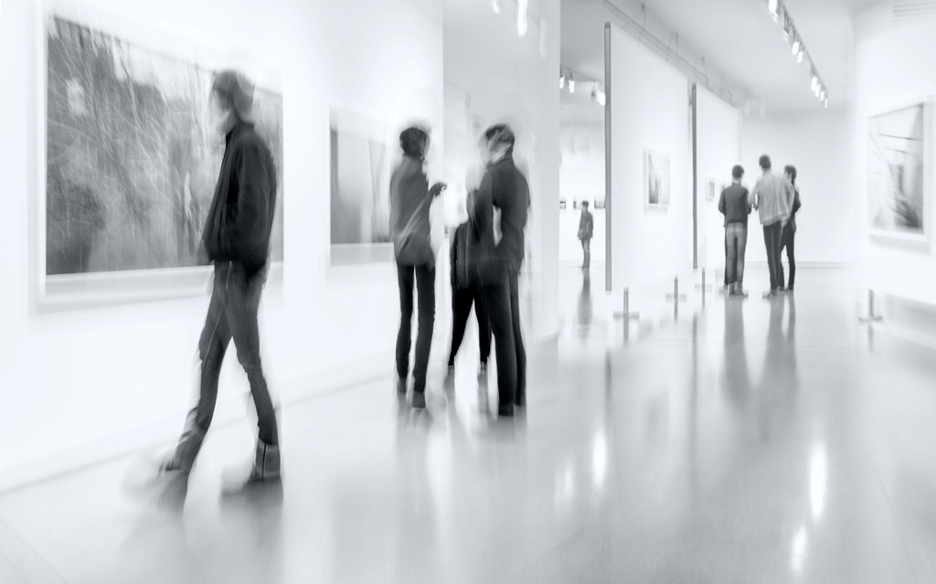
How Manhattan Luxury Residences Display Museum-Quality Art
A luxurious Manhattan property can accommodate much more than just designer furniture and a skyline view; for a true collector, it must ensure the protection of their collection of paintings, sculptures, photos, and other works of art that may require special care.
This fact influences the approach towards designing high-end apartments: architects may consult with curators, conservationists, lighting specialists, engineers, and security officers prior to completion of the construction process in order to provide rooms that would be created specifically for certain art objects.
As a result, such a space becomes similar to a private museum, although it requires some coziness and comfort. The residents want to live in the same apartment with their collection, entertain guests there and enjoy their favorite works of art daily. Today, Manhattan’s designers have a challenging mission: to protect valuable works of art in a comfortable manner.
How Art Is Becoming Part of the Architecture
Interior design students, art history students, and Manhattan real estate students might need some time to visit galleries and look at the manner in which collectors have designed their houses. In a rigorous semester, they can seek assistance from professional paper writers and get their free time back. In turn, they can attend exhibitions, study floor plans, and learn how architecture impacts art.
According to Wesley Spencer, who is a luxury design expert, an art-focused home needs to start with the art collection itself. Size, weight, materials and light sensitivity of each piece of art need to be considered when designing the house. Big paintings might need long walls and a good distance from which to view them. Heavy sculptures might need robust floors. Delicate artworks such as photographs might require darkness and protection from the sun.
This is even more crucial in Manhattan, where many of the luxury apartments have big windows with scenic views. However, the sunlight might damage light-sensitive artworks. Open floor plans also mean a lack of sufficient walls for displaying the artworks.
An Art-Focused Home on Fifth Avenue
One such project recently completed on Fifth Avenue exemplifies the level of detail required here. For a client who owns one of the largest collections of post-war and contemporary art, Diller Scofidio + Renfro has transformed a 5,500-square-foot Manhattan penthouse with UV-coated windows, solar shades, museum climate control, and custom lighting to safeguard the art without blocking the park views.
Here is why decorating the usual way is not sufficient. Properly displaying artwork requires careful consideration of building construction, glazing, lighting, heating, air conditioning, humidity levels, and room size. Involvement at early stages may help to avoid costly alterations later.
It is sometimes necessary to consolidate several apartments to have more gallery space, storage space, or access corridors. It is easier to do this before construction finishes.
Factors That Make a Home Museum-Quality
Expensive finishes alone do not ensure the safety of a collection. Several other factors that make an arthouse include:
- Light control: Lights with dimming capabilities, UV filtering, shades, and sensors are used to minimize exposure to harmful light rays.
- Temperature and humidity control: Systems designed to provide a stable climate environment minimize sudden changes brought about by weather, cooking, showering, and large crowds.
- Robust walls and floor: Large canvases and sculptures might require robust support systems.
- Secure transportation system: Wide doors, service elevators, and wide hallways allow the transportation of valuable items.
- Secure and discreet security systems: Sensors, cameras, alarms, and access systems safeguard the collection discreetly.
- Storage systems: Storage units such as sliding racks and padded shelving within climate-controlled areas ensure the safety of artworks during storage.
According to the Canadian Conservation Institute, both visible light and ultraviolet radiation can cause damage to a painting. The institute recommends that collectors limit exposure to light, use UV filtering, measure display conditions, and avoid sudden humidity changes.
Lighting Should Shed Light without Doing Any Damage
Good lighting will help the viewer to distinguish color, texture, and depth. Bad lighting can cause reflections, heating, and fading. Sunlight shining into the room can reveal the same picture for several hours.
Ceiling tracks, recessed fixtures, spotlights, and adjustable light sources are among the techniques employed by designers. Not all artwork requires the same amount of illumination. An oil painting is likely to tolerate more light than a watercolor, textiles, or an early photograph. An intelligent system will automatically reduce the lighting when the room is not occupied and increase it during private viewing.
The technological components of such a lighting system should remain invisible. Art collectors wish to have their visitors concentrate on the artworks and not on the sensors, wiring, and fixtures.
The Versatile Room for a Dynamic Collection
Large collections of art do not remain static. New acquisitions take place, loans happen to museums, and the artworks are changed in order to avoid prolonged exposure to light. Inflexibility is bound to arise when a room is made to accommodate a particular collection.
A flexible home is made with sliding panels, variable lighting, extra electrical outlets, and walls in varying sizes. Some rooms have places for sculptures that will accommodate works of varying shapes and sizes.
In addition, furniture should complement the artwork. The tall cabinet will clash with the sculpture, while a bulky sofa will prevent viewing from a comfortable distance. Low furniture and movable items will create more space for the artwork.
Curation Provides a Clear Identity to the Residence
It is not enough for someone to own some important art pieces since sometimes the display can be poor due to overcrowding and improper positioning of artworks.
The role of curators is to find connections among various works via colors, periods, subject matter or mood of the work. A simple sketch can get its own wall, whereas a strong sculpture can be positioned as a focal point between two rooms. A few artworks can create more of a personal atmosphere in a library or a hallway.
Regular rotation of the artworks will help preserve the sensitive pieces and provide an interesting experience for the residents. Just like furniture, stonework and woodworking, the art pieces can create the identity of the house. It is hard to forget the surprise of a painting at the entrance or a sculpture next to the Manhattan skyline.