How Jacket Insulation and Materials Affect Everyday Warmth
Two jackets can look almost the same. One keeps you warm at the bus stop. The other leaves you shivering. The difference usually comes down to jacket insulation and materials, not thickness alone.
Types of Jacket Insulation
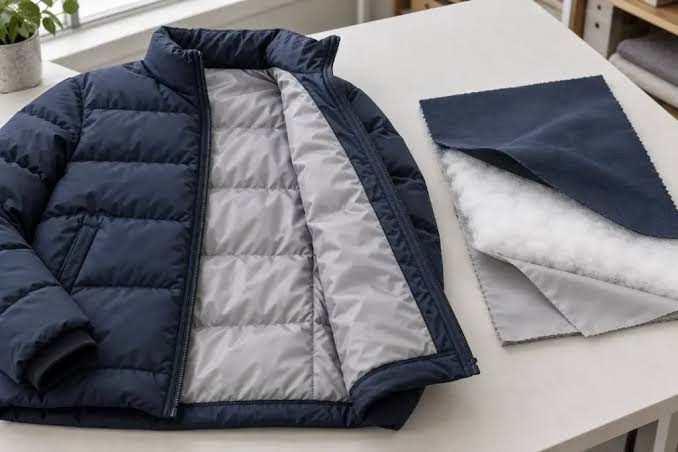
The types of jacket insulation fall into three main groups: down, synthetic, and natural fibers like wool. Down uses the soft clusters under duck or goose feathers. Synthetic fill uses polyester fibers that copy how down traps air. Wool holds heat even when damp.
All of them work the same way. Thermal insulation in clothing doesn’t make heat. It slows the heat your body already gives off by trapping a thin layer of air.
For stores, a wholesale Insulated Jacket range works best when it covers more than one fill type. Customers in dry, cold areas often go down. Customers in damp climates usually prefer synthetic.
Lightweight Jacket Materials
Not every day calls for a heavy coat. Lightweight jacket materials like nylon and polyester shed wind and light rain, and they pack down small. Many carry a water-repellent finish that sheds drizzle.
Buyers building a spring or fall line often add a wholesale Lightweight Jackets selection for this reason. These pieces sell across more months than a heavy parka.
Breathable Outerwear Fabrics
Warmth means little if you sweat through your shirt. Breathable outerwear fabrics let moisture vapor out while keeping wind off. Look for tightly woven nylon, brushed polyester, or fabrics with a thin membrane.
A good test is simple. If a jacket feels clammy after a ten-minute walk, the fabric isn’t moving moisture well.
Lightweight Winter Layering
Layering often beats one thick coat. Start with a thin base layer, add a fleece or light puffer, and finish with a wind-blocking shell. Lightweight winter layering lets you remove a layer when you step indoors.
This method also gives you more outfits from fewer pieces.
Matching Warmth to Your Day
Jacket warmth and comfort depend on what you do, not just the weather. A commuter needs quick heat and easy movement. A weekend hiker needs breathability. Someone standing at a game needs the most insulation.
Choosing Jacket Insulation and Materials That Fit
Good jacket insulation and materials start with honest questions. How cold is it? How long are you outside? Will you be moving or standing? Answer those, and the right fill, fabric, and weight become clear.