How Head Spa Treatments Can Elevate Your Self-Care Routine
True wellness begins with a focus on areas often overlooked in a standard beauty regimen. While facial treatments and massages receive a lot of attention, the scalp remains a vital foundation for both hair health and mental relaxation. A head spa offers a deep, restorative experience that goes far beyond a simple wash and dry. This Japanese-inspired practice treats the scalp with the same level of care and precision as a high-end facial. It creates a bridge between physical grooming and deep sensory relief.
The popularity of these specialized sessions continues to grow as people seek more holistic ways to manage stress. A visit to a top-tier spa such as The Modern Halo serves as a perfect example of how a routine appointment can transform into a meditative escape. These sessions provide a necessary break from a busy schedule while they address common hair concerns at the root level. This article explores how a dedicated head spa session can enhance a personal wellness plan through physical and mental benefits.
Deep Scalp Purification for Hair Health
Over time, hair follicles become clogged with product residue, dead skin cells, and environmental pollutants. Standard shampoo often fails to reach these deep layers of buildup. A head spa uses steam, specialized oils, and exfoliation techniques to clear the pores completely. This process allows the scalp to breathe and improves the environment for hair growth. A clean scalp feels lighter and often results in hair with more natural volume and shine.
Targeted Pressure Points for Mental Relief
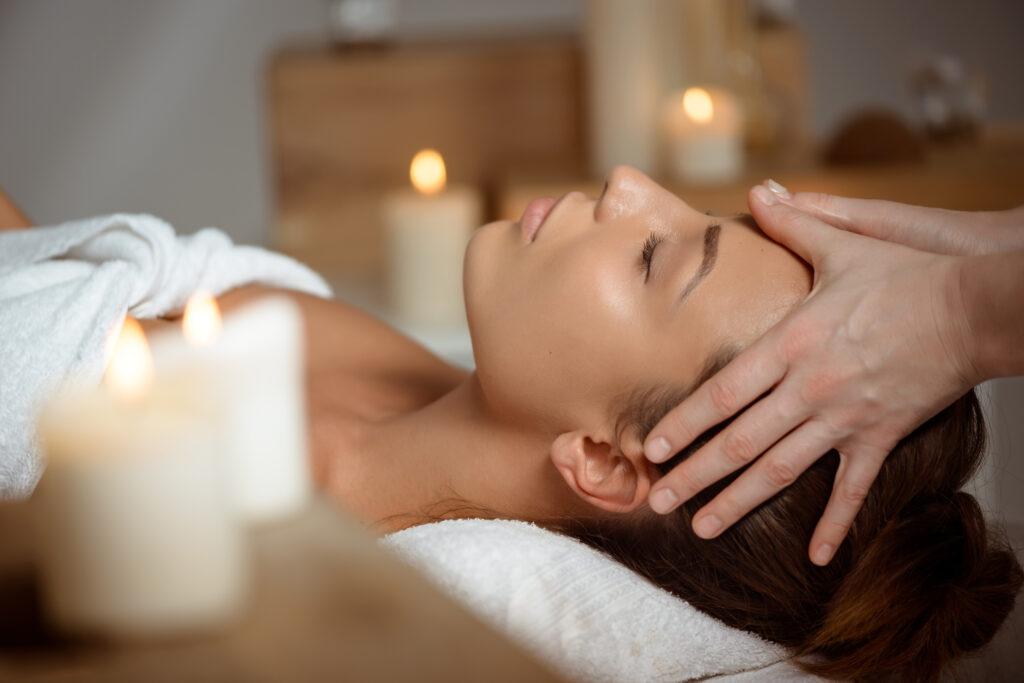
A significant portion of the experience involves a detailed massage that targets specific areas of the head and neck.
- Tension Release: The manual pressure helps to soothe tight muscles at the base of the skull.
- Circulation Boost: Increased blood flow to the scalp delivers more oxygen and nutrients to the hair roots.
- Nervous System Balance: The rhythmic motions signal the body to shift out of a state of high alert.
- Headache Prevention: Regular scalp work can reduce the frequency of stress-related discomfort in the temples.
A Sensory Journey Through Aromatherapy
The use of high-quality botanical extracts plays a major role in the overall atmosphere. Scents like lavender, eucalyptus, and rosemary do more than just smell pleasant. They interact with the olfactory system to promote a sense of calm or focus. Warm water therapy combined with these natural oils creates a humid, fragrant environment that mimics a steam room. This combination helps to open the pores while it settles the mind.
Hydration and Strength for Every Strand
Modern life often leaves hair dry and brittle due to heat styling and sun exposure. A head spa focuses on moisture replenishment through intensive masks and serums. These treatments penetrate the hair shaft more effectively because the steam helps to lift the cuticle. The result is hair that feels soft to the touch and possesses a resilient bounce. Stronger hair resists breakage, which makes daily maintenance much easier.
Total Stillness in a Loud World
Modern schedules rarely allow for true silence and inactivity. A head spa session requires the participant to remain still and present for a significant block of time. Spa studios like The Modern Halo illustrate how a calm environment can help one disconnect from digital distractions. This period of quietude acts as a mental reset that leaves a person feeling refreshed and ready to face new challenges. The focus on the crown of the head creates a unique sensation of groundedness.
A commitment to scalp health is a wise investment in long-term confidence and vitality. These treatments offer a rare blend of dermatological care and profound psychological comfort. The physical results show in the luster of the hair, while the internal results manifest as a calmer disposition. Prioritizing this form of care ensures that the body and mind receive the rest they deserve. A consistent approach to head spa therapy keeps the spirit bright and the hair healthy throughout the year.