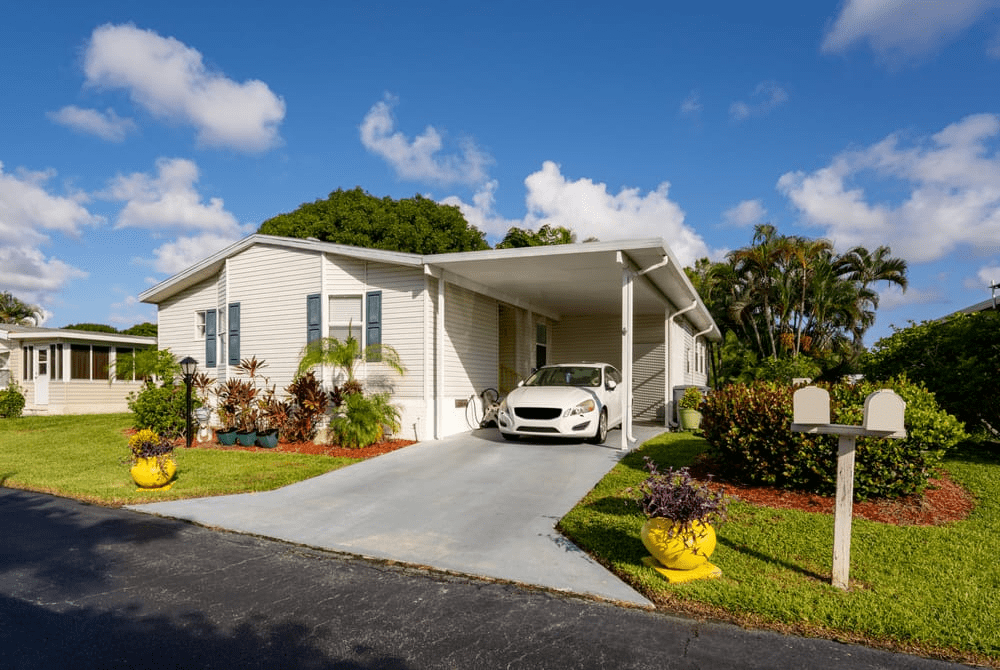
How Do Manufactured Homes in Florida Compare to Other Options?
Choosing the right home in Florida often comes down to balancing budget, location, lifestyle, storm readiness, maintenance, and long-term value. Buyers may compare manufactured homes in Florida with site-built houses, condos, townhomes, modular homes, apartments, and RVs. Each option has advantages, but the best choice depends on how you plan to live, where you want to be, and how much flexibility you need.
Manufactured homes can be especially appealing because they often offer more living space for the price than many traditional housing options. They are built in a factory, transported to the home site, and installed on land or in a manufactured home community. Modern manufactured homes are not the same as older mobile homes many people imagine. Homes built after June 15, 1976, must be certified by the manufacturer as meeting federal HUD Manufactured Home Construction and Safety Standards, and they must include a HUD certification label.
Manufactured Homes vs. Site-Built Homes
A site-built home is constructed on the property from the ground up. This is the traditional single-family home most buyers are familiar with. Site-built homes may offer strong resale potential, broad financing options, and wide acceptance in many neighborhoods. They can also be customized heavily, depending on the builder, budget, and local regulations.
Manufactured homes in Florida often compare well on affordability and speed. Because they are built in a controlled factory environment, construction can be more efficient. Buyers may be able to move in faster than they would with a custom-built house. The lower initial cost can make manufactured housing attractive for retirees, first-time buyers, seasonal residents, and families trying to avoid being priced out of the market.
Key differences include:
- Cost: Manufactured homes are often less expensive upfront than site-built homes.
- Construction process: Manufactured homes are built in factories, while site-built homes are built on-site.
- Land: A site-built home usually includes land, while a manufactured home may sit on owned land or leased land.
- Customization: Site-built homes may allow more extensive design flexibility.
- Resale: Site-built homes may appreciate more consistently, depending on location and market conditions.
Manufactured Homes vs. Modular Homes
Manufactured homes and modular homes are both factory-built, but they are not the same. Manufactured homes are built to federal HUD standards. Modular homes are usually built to state and local building codes, similar to site-built houses.
This difference matters because financing, zoning, inspections, and appraisals may be handled differently. A modular home is often treated more like a traditional house once it is placed on a permanent foundation. A manufactured home may be treated as personal property or real property, depending on how it is titled, installed, and attached to land.
In Florida, title status can be especially important. State law provides a process for retiring the title to a mobile home when it is permanently affixed to real property owned by the same person. This can affect how the property is transferred, financed, and taxed.
Manufactured Homes vs. Condos
Condos are popular in many Florida markets, especially near beaches, downtown areas, retirement communities, and resort destinations. They can offer convenience, shared amenities, and less exterior maintenance. However, condo ownership usually comes with association fees, rules, assessments, and shared decision-making.
Manufactured homes may offer more privacy and outdoor space, especially when placed on private land. Even in a manufactured home community, residents may enjoy a detached-home feel rather than sharing walls, elevators, parking garages, or common building systems.
A condo may be a better fit for someone who wants:
- Minimal exterior maintenance
- Urban or beach access
- Amenities such as pools, gyms, and security
- A lock-and-leave lifestyle
A manufactured home may be a better fit for someone who wants:
- More interior space for the price
- A detached-home layout
- A yard, porch, carport, or storage shed
- A community lifestyle without living in a multi-story building
Manufactured Homes vs. Townhomes
Townhomes can be a middle ground between condos and single-family houses. They often provide multiple levels, private entrances, and sometimes small yards. However, they may still involve HOA fees, shared walls, parking rules, and exterior restrictions.
Manufactured homes in Florida may offer a simpler layout, fewer stairs, and more accessible living, which can be helpful for retirees or people who prefer single-level homes. A manufactured home may also provide more flexibility in layout and location, especially if placed on private land where zoning allows it.
Townhomes may have stronger traditional resale appeal in some markets, but they can also cost more upfront. Buyers should compare total monthly costs, not just purchase price. HOA fees, lot rent, insurance, utilities, taxes, and maintenance can change the affordability picture.
Manufactured Homes vs. Apartments
Renting an apartment can be a flexible choice for people who are not ready to buy, expect to move soon, or do not want maintenance responsibilities. However, rent payments do not build ownership, and monthly costs can rise over time.
Manufactured homes may give buyers a path to ownership at a lower price point than many other home types. This can be especially appealing in Florida markets where rents have become expensive. However, buyers should understand the difference between owning the home and owning the land. If the home is in a leased-land community, monthly lot rent may still apply.
Compared with apartments, manufactured homes may offer:
- More privacy
- No upstairs or downstairs neighbors
- Outdoor living space
- More parking flexibility
- A stronger sense of permanence
- More control over interior updates
Apartments may still be better for people who want short-term flexibility, fewer repair responsibilities, or access to urban amenities without buying property.
Manufactured Homes vs. RVs and Park Models
Some Florida buyers compare manufactured homes with RVs, especially if they are seasonal residents. RVs can be great for travel and short-term stays, but they are usually not designed to function like permanent housing in the same way a manufactured home is.
Manufactured homes are built for residential living. They typically offer more space, stronger home-like systems, full-size appliances, larger bedrooms, better storage, and more comfortable long-term layouts. RVs are mobile by design, while manufactured homes are transported to a site and installed.
Park models can work for seasonal living, but they are usually smaller and may be subject to different rules. Buyers should carefully check local regulations, community policies, and intended use before choosing between these options.
Florida-Specific Factors to Compare
Florida is not just any housing market. Weather, insurance, flood zones, and local permitting all play a major role. Manufactured homes can be a strong option, but installation and site selection are critical.
Florida rules require manufactured home installations to be performed by a licensed installer, dealer installer, or manufacturer installer. Florida installation rules also address support and anchoring requirements, including manufacturer installation instructions and professional design requirements in certain situations.
When comparing housing options in Florida, consider:
- Storm exposure: Look at wind zone, anchoring, roof condition, and local building requirements.
- Flood risk: Check FEMA flood maps and ask about elevation, drainage, and insurance.
- Insurance: Availability and cost can vary by location, age, and home type.
- Land status: Owned land and leased land create very different financial situations.
- Community rules: Manufactured home communities, condo associations, and HOAs all have rules.
- Maintenance: Humidity, pests, salt air, and storms can affect every type of Florida home.
Cost and Lifestyle Considerations
The best comparison is not just purchase price. A manufactured home may cost less upfront than a site-built house or townhome, but buyers should calculate total monthly and long-term costs.
Important costs may include:
- Loan payment
- Land payment or lot rent
- Property taxes
- Insurance
- Utilities
- HOA or community fees
- Maintenance
- Repairs
- Skirting, steps, driveway, or carport
- Permits and inspections
- Storm preparation
Lifestyle matters too. Some buyers want a quiet 55-plus community. Others want private land, space for pets, room for gardening, or proximity to beaches and family. Manufactured homes can support many of these goals, but the right fit depends on the specific home, site, and community.
FAQ About Manufactured Homes in Florida
Are manufactured homes in Florida cheaper than traditional homes?
Often, yes. Manufactured homes are generally more affordable upfront than many site-built homes, although land, installation, insurance, fees, and financing can affect the total cost.
Do manufactured homes appreciate in value?
They can, especially when they are well-maintained and located on owned land in a desirable area. Homes on leased land may appreciate differently because the land is not part of the purchase.
Are manufactured homes safe in Florida storms?
Modern manufactured homes are built to federal standards, but safety depends on wind rating, location, installation, anchoring, maintenance, and flood exposure. Always verify the HUD label, data plate, and installation records.
Is a manufactured home better than a condo?
It depends on your lifestyle. A manufactured home may offer more privacy and space, while a condo may offer less exterior maintenance and more shared amenities.
Can I finance a manufactured home in Florida?
Yes, but financing depends on whether you are buying the home only, the land only, or the home and land together. Title status and foundation details may also affect loan options.
Should I choose a manufactured home community or private land?
A community may offer amenities and prepared lots, while private land may offer more control and privacy. The right choice depends on zoning, budget, lifestyle, and long-term plans.
Which Option Is Right for You?
Manufactured homes in Florida can compare very favorably to other housing options when affordability, space, speed, and lifestyle flexibility are top priorities. They can be a practical alternative to renting, a lower-cost option compared with many site-built homes, and a more private choice than condos or apartments.
However, they are not automatically the best fit for every buyer. Site-built homes may offer broader resale appeal. Condos may reduce exterior maintenance. Apartments may provide flexibility. Modular homes may be treated more like traditional construction. RVs may be better for travel and temporary stays.
The smartest approach is to compare the full picture. Look at purchase price, land, monthly costs, insurance, storm readiness, financing, resale potential, and how you actually want to live day to day. With the right research and professional guidance, manufactured homes in Florida can be a smart, comfortable, and cost-conscious housing choice.