How Did Michael Jackson Die?
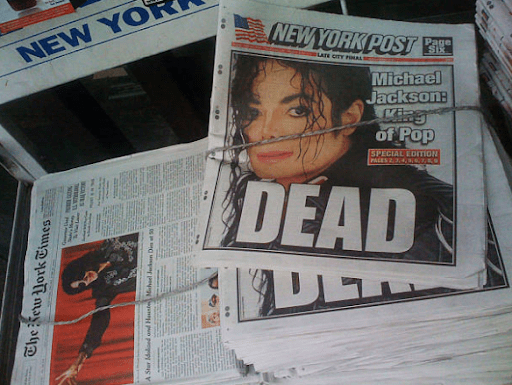
The world stood still on June 25, 2009. News broke that Michael Jackson, the undisputed King of Pop, had passed away suddenly at the age of 50. For decades, Jackson dominated global music charts with iconic tracks like “Thriller,” “Beat It,” and “Billie Jean.” He redefined music videos, popularized the moonwalk, and became a definitive cultural icon of the 20th and 21st centuries.
Yet, despite his immense fame, his sudden passing left behind a trail of shock, confusion, and endless speculation. Even years later, the public still asks the central, haunting question: how did michael jackson die?
To understand the truth, one must look closely at the medical timeline, the role of his personal physician, and the official autopsy findings that finally laid rumors to rest.
The Medical Cause: Acute Intoxication and Cardiac Arrest
At its core, Michael Jackson’s death was caused by acute propofol and benzodiazepine intoxication, which ultimately triggered a fatal cardiac arrest at his rented mansion in Los Angeles.
Propofol is a highly potent, fast-acting intravenous anesthetic typically reserved for surgical procedures in hospital operating rooms. It is not meant for home use. However, Jackson, who fought a severe, lifelong battle with chronic insomnia, referred to the creamy white sedative as his “milk.”
On the day he died, propofol was not the only substance in his system. Forensic toxicology reports later revealed a dangerous cocktail of anti-anxiety medications and sedatives, including:
- Lorazepam
- Midazolam
- Diazepam
The combination of these central nervous system depressants stopped his breathing, starved his brain of oxygen, and caused his heart to fail.
The Role of Dr. Conrad Murray
The focal point of the tragedy was how did michael jackson die? personal physician, Dr. Conrad Murray. Murray was hired to monitor the singer’s health ahead of his highly anticipated 50-show comeback concert series, This Is It, scheduled to take place at London’s O2 Arena.
Instead of providing standard medical care, Murray routinely administered hospital-grade anesthetics in a standard bedroom setting. Investigators found that the room lacked vital, life-saving monitoring equipment, such as an EKG machine or a pulse oximeter.
On the night of June 24 and the morning of June 25, Jackson was utterly unable to sleep following a rigorous, high-energy rehearsal at the Staples Center. Desperate for rest, Jackson repeatedly begged Murray for “more milk.” At approximately 10:40 AM, Murray administered a 25mg dose of propofol alongside other sedatives.
Critical Timeline of Medical Negligence
- The Disappearance: Murray left Jackson’s bedside for a few minutes to make personal phone calls.
- The Discovery: Upon returning, Murray noticed Jackson had stopped breathing.
- The Delay: Instead of calling emergency services immediately, Murray spent time clearing medical vials and attempting poorly executed CPR on a soft bed surface rather than a hard floor.
- The Emergency Call: Security finally contacted emergency services at 12:21 PM, more than an hour after the emergency began.
In 2011, a jury convicted Dr. Conrad Murray of involuntary manslaughter, determining that his gross negligence directly led to the singer’s death.
Dispelling the Myths: What the Autopsy Revealed
The official autopsy confirmed that, despite rumors, Jackson did not die from illicit drug use, but rather from a lethal combination of prescription medications. The report highlighted his struggle with chronic insomnia and vitiligo.