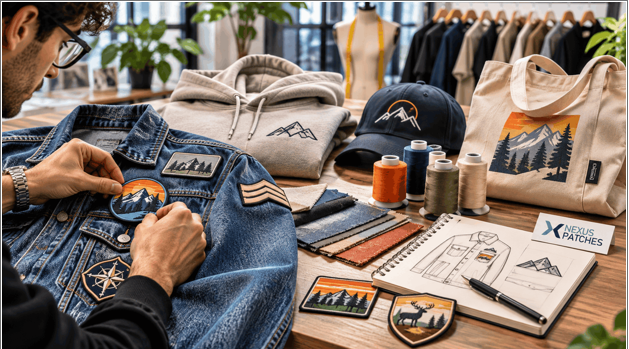
How Customisation Is Transforming the Modern Fashion Industry
Fashion is no longer just about following trends. Today, people want clothing that reflects their personality, interests, and individual style. Customization makes this possible by giving consumers more control over colors, designs, materials, and decorative details.
From embroidered jackets to personalized streetwear, custom details are changing how people design, produce, and wear clothing. Fashion brands are also using customization to create recognizable collections and build stronger connections with customers.
This growing demand for individuality is making customization an important part of the modern fashion industry.
Why Customization Is Becoming Popular in Fashion
Fashion customization allows people to make clothing more personal. Instead of choosing only standard designs, customers can select products that match their preferences.
Several factors are contributing to this trend:
- Individual expression: People want clothing that reflects their personality and interests.
- Unique designs: Custom details help garments stand out from mass-produced products.
- Brand identity: Fashion businesses use distinctive designs to make their products recognizable.
- Creative freedom: Designers can experiment with different materials, colors, graphics, and textures.
- Personal connections: Customized clothing can represent memories, communities, and personal experiences.
Social media has also influenced this trend. Platforms such as Instagram, Pinterest, and TikTok make it easier for people to discover creative outfits and share their personal styles.
As a result, customized clothing is becoming more visible across streetwear, casual fashion, sportswear, and independent clothing brands.
How Custom Details Are Changing Clothing Design
Small design elements can completely change the appearance of a garment. Fashion designers use different customization techniques to add character without changing the basic structure of clothing.
Some popular techniques include:
Embroidery and Decorative Stitching
Embroidery adds texture and detail through decorative thread patterns. It can turn a simple shirt, jacket, or hoodie into a more distinctive fashion piece.
Designers use embroidered logos, lettering, floral patterns, and artistic illustrations to create different looks.
Embroidery is especially popular on denim jackets, baseball caps, sweatshirts, and varsity jackets. Its raised texture gives clothing a traditional yet stylish appearance.
Custom Patches and Fabric Details
Patches offer another way to personalize clothing. They can feature logos, illustrations, symbols, lettering, or decorative artwork.
Fashion designers use patches to add visual interest to jackets, jeans, bags, hats, and other accessories.
Different patch materials create different finishes. Embroidered patches provide a textured appearance, while woven patches support fine details and smaller lettering. Printed patches allow colorful artwork, and PVC patches create a raised, flexible finish.
These options give clothing brands more freedom when developing their designs.
Personalized Prints and Graphics
Printed graphics remain an important part of modern fashion customization. They allow designers to use photographs, illustrations, typography, and complex artwork.
Graphic designs are common on T-shirts, hoodies, sweatshirts, and casual clothing.
Combining printed graphics with embroidery or patches can also create interesting visual effects.
The Role of Customization in Building Fashion Brand Identity
Brand identity helps customers recognize and remember a clothing business. Logos, colors, typography, packaging, and product details all contribute to this identity.
Customization gives fashion brands more ways to create a consistent appearance across their collections.
For example, a streetwear label might use embroidered logos on hoodies, woven labels on shirts, and decorative patches on denim jackets.
These repeated design elements help customers recognize the brand across different products.
Custom details also allow businesses to develop limited-edition collections, seasonal designs, and collaborations.
For growing clothing businesses, choosing reliable production partners is equally important. An experienced custom patch manufacturer can help fashion brands turn their original artwork and logos into embroidered, woven, PVC, and printed patches for different apparel products.
How Streetwear Is Influencing Fashion Customization
Streetwear has become one of the strongest influences on modern casual fashion. It combines elements of music, sports, skateboarding, art, and urban culture.
Customization fits naturally into this style because streetwear often focuses on individuality and creative expression.
Some common examples include:
- Oversized hoodies with embroidered logos.
- Denim jackets featuring decorative patches.
- Graphic T-shirts with personalized artwork.
- Baseball caps with custom lettering.
- Cargo pants with additional fabric details.
- Backpacks featuring brand logos and unique designs.
Streetwear brands also use limited product releases to create interest around their collections. Custom graphics, special embroidery, and exclusive patches help make these products different from regular clothing.
This connection between streetwear and personalization continues to influence other areas of fashion.
Customization and the Growth of Small Fashion Businesses
Customization is not limited to large fashion houses. Independent designers and small clothing businesses also use it to develop unique products.
Small brands often compete through creative designs rather than large production volumes. Personalized details help them establish a recognizable style and offer products that differ from mass-market clothing.
For example, a new clothing label can introduce a small collection of hoodies with custom embroidery. Another business might create denim jackets with exclusive patch designs.
These approaches allow smaller brands to experiment with new ideas before expanding their product ranges.
However, businesses should consider several production factors:
- Design accuracy: Artwork should be clear and suitable for the selected production method.
- Material compatibility: Decorative elements should work well with the garment’s fabric.
- Production quality: Consistent stitching, colors, and finishing help maintain product standards.
- Supplier reliability: Production partners should understand design specifications and delivery requirements.
- Cost management: Material choices, customization methods, and order quantities affect production costs.
Careful planning helps small fashion businesses introduce customized products without unnecessary production problems.
Sustainable Fashion and Clothing Personalization
Sustainability is another important discussion in the fashion industry. Consumers and brands are paying more attention to clothing quality, product lifespan, and responsible consumption.
Customization can support some sustainable fashion practices by encouraging people to repair, refresh, and reuse existing garments.
For example, a person can cover a small damaged area on a denim jacket with a decorative patch. Embroidered details can also refresh an older hoodie or backpack.
This approach gives existing clothing a new appearance instead of immediately replacing it.
However, customization alone does not make a product sustainable. Material sourcing, manufacturing processes, durability, and waste management also matter.
Brands should consider these factors when developing customized collections.
What to Consider Before Customizing Clothing
Choosing the right customization method depends on the garment, design, budget, and intended use.
Here are some important considerations:
- Fabric type: Cotton, denim, polyester, and blended fabrics may require different customization methods.
- Design complexity: Detailed artwork may work better with printing or weaving than traditional embroidery.
- Color selection: Colors should complement the garment and maintain clear visual contrast.
- Placement: Consider how logos, embroidery, and patches will look on sleeves, pockets, collars, and backs.
- Durability: Select suitable materials and attachment methods for regular use and washing.
- Production costs: Compare customization options according to design requirements and order quantities.
Testing designs before full production can also help businesses identify potential issues.
The Future of Customization in the Fashion Industry
Customization is likely to remain an important part of fashion as consumers continue looking for personal and distinctive products.
Digital design tools are making it easier for brands to experiment with artwork, colors, and product layouts. Online shopping platforms also allow customers to explore personalized products without visiting physical stores.
Fashion businesses are increasingly combining traditional techniques with modern production methods. Embroidery, woven labels, printed graphics, and custom patches can all contribute to more distinctive collections.
The future of fashion will not depend entirely on new clothing styles. The ability to personalize existing designs and create meaningful product details will also influence how brands connect with their customers.
Final Thoughts
Customization is transforming the fashion industry by giving consumers and designers more creative freedom. Embroidery, custom patches, printed graphics, and personalized details help make clothing more distinctive.
Fashion brands can use these techniques to strengthen brand identity, develop unique collections, and respond to changing customer preferences.
As personal expression continues to influence clothing choices, customization will remain an important part of modern fashion design and production.