How Colored Diamonds Are Graded and What Drives Their Value
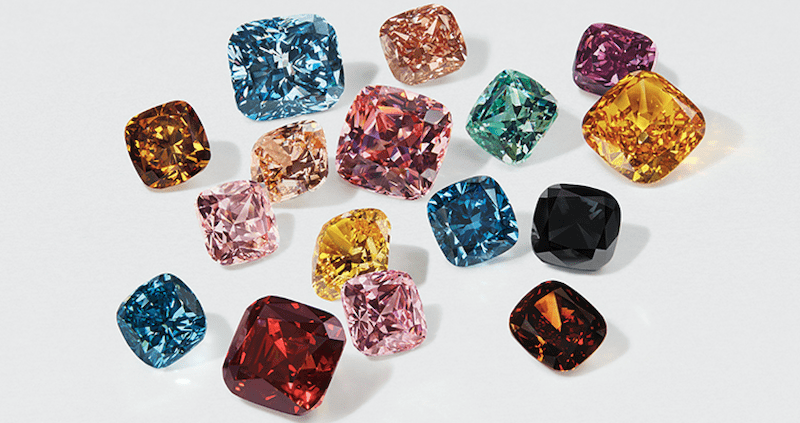
If you have ever shopped for a traditional diamond, you have probably heard about the four Cs and the color scale that prizes stones for being as colorless as possible. Then you encounter a vivid pink or a deep blue diamond and realize the usual rules seem to be turned upside down. In the world of colored diamonds, color is not a flaw to be minimized but the entire point, the very thing that makes a stone rare and valuable. Understanding how these gems are graded is the key to appreciating why one colored diamond can be worth so much more than another.
Grading colored diamonds is a fascinating subject, and it works quite differently from the familiar colorless scale. Here is a clear guide to how experts evaluate these stones and the factors that truly drive their value.
Whether you are simply curious or considering a purchase, knowing how colored diamonds are assessed helps you understand what you are looking at and why it commands the price it does. Let us start with the single most important factor, and the one that flips the conventional wisdom on its head.
Color Is King, Not the Enemy
With colorless diamonds, value rises as color disappears; the rarest and most prized stones are those with no detectable tint at all. Colored diamonds reverse this completely. Here, the presence and strength of color is exactly what makes the stone special, and the grading system is built to capture that color as precisely as possible.
Any diamond whose color falls outside the normal colorless-to-light range is considered a fancy color diamond. From that point, the evaluation is all about describing the color accurately, because subtle differences in that color can mean dramatic differences in rarity and value. This is the fundamental shift to grasp: for these stones, color is the treasure, not the imperfection.
The Three Dimensions of Color
Gemologists describe a colored diamond’s color using three related qualities. Hue is the basic color itself, whether pink, blue, yellow, green, and so on, including any secondary tints that modify it. Tone refers to how light or dark the color appears. Saturation describes the intensity or purity of the color, how rich and vivid it is versus muted or grayish.
These three work together to define a stone’s overall color, and saturation in particular has an enormous influence on value. A diamond with a pure, richly saturated hue is far rarer and more desirable than one whose color is faint or muddied by brownish or grayish tones. Reading these three dimensions is the heart of colored diamond grading.
The Fancy Color Intensity Scale
To bring consistency to all of this, leading gemological laboratories use a fancy color grading scale that describes intensity in ascending steps. GIA’s actual scale has nine grades, and the order by increasing color strength is different: Faint, Very Light, Light, Fancy Light, Fancy, then Fancy Intense, Fancy Vivid, Fancy Dark, and Fancy Deep.
As a rule, the higher up this scale a stone sits, the rarer and more valuable it tends to be, with fancy vivid and fancy deep grades among the most coveted. These terms give buyers and collectors a shared, reliable language for describing exactly how strong and pure a diamond’s color is, which is essential when even a single grade can change a stone’s value substantially.
Rarity by Color
Not all colors are equally rare, and this profoundly affects value. Yellow and brown diamonds are the most commonly encountered of the fancy colors, which makes them generally more attainable. As you move toward pink, orange, green, blue, and especially red, rarity increases sharply, and so does value.
That rarity has translated into striking demand over time. One industry source notes that prices for fancy colored diamonds have surged roughly 205 percent over the past two decades, driven largely by their scarcity and growing appeal among collectors. The very rarest hues, in their most saturated grades, can reach extraordinary sums, reflecting just how few such stones nature has ever produced.
Where Carat, Clarity, and Cut Fit In
The other familiar diamond factors still play a role, though their importance shifts for colored stones. Carat weight matters, and when color and quality are equal, a larger stone is more valuable. Clarity is considered, but it is often less critical than with colorless diamonds, since a stunning color can draw the eye and inclusions may be less distracting.
Cut takes on a special role with colored diamonds. Rather than being shaped purely to maximize sparkle, these stones are often cut specifically to enhance and intensify their color, drawing out the richest possible hue from the rough crystal. A skilled cutter chooses the shape and proportions that make the color sing, which is why fancy shapes are common among colored diamonds.
Why Certification Is Essential
Given how much value rests on precise color, independent certification from a respected gemological laboratory is indispensable. A grading report documents the stone’s hue, tone, saturation, and intensity grade, providing an objective, expert assessment rather than relying on a seller’s description alone.
Just as crucial, the report confirms color origin, whether the color is natural or the result of treatment. Since natural color is vastly more valuable than artificially induced color, this verification protects buyers and underpins a stone’s worth. For any significant colored diamond, a trusted laboratory report is not optional; it is the foundation of confidence in what you are buying.
The Takeaway
Grading colored diamonds turns the usual diamond logic on its head: color is the prize, not the flaw, and it is evaluated through the interplay of hue, tone, and saturation along a fancy intensity scale. Rarity by color, along with carat, clarity, and a cut designed to maximize hue, shapes a stone’s value, while independent certification confirms both the grade and the all-important natural origin. Understanding these principles transforms how you see these gems, revealing why each richly colored diamond is a rare and carefully judged treasure rather than simply a pretty stone.