Home Sleep Apnea Test: A Simple Way to Diagnose Sleep Apnea Without Leaving Home
Sleep plays a vital role in overall health, yet millions of people unknowingly struggle with sleep apnea. This common sleep disorder causes repeated interruptions in breathing throughout the night, reducing sleep quality and placing extra strain on the body. Left untreated, sleep apnea can contribute to serious health concerns, including high blood pressure, heart disease, diabetes, daytime fatigue, and poor concentration.
Fortunately, diagnosing sleep apnea no longer requires an overnight stay at a sleep clinic for many people. A home sleep apnea test offers a convenient and effective way to evaluate breathing patterns while you sleep in the comfort of your own bed.
Understanding Sleep Apnea
Sleep apnea occurs when breathing repeatedly stops or becomes shallow during sleep. The most common form is obstructive sleep apnea (OSA), which happens when the muscles in the throat relax enough to partially or completely block the airway.
Common symptoms include:
- Loud snoring
- Pauses in breathing witnessed by a partner
- Waking up gasping or choking
- Morning headaches
- Dry mouth upon waking
- Excessive daytime sleepiness
- Difficulty concentrating
- Irritability or mood changes
Because these interruptions can happen dozens or even hundreds of times each night, many people remain unaware that they have sleep apnea until someone else notices their symptoms.
What Is a Home Sleep Apnea Test?
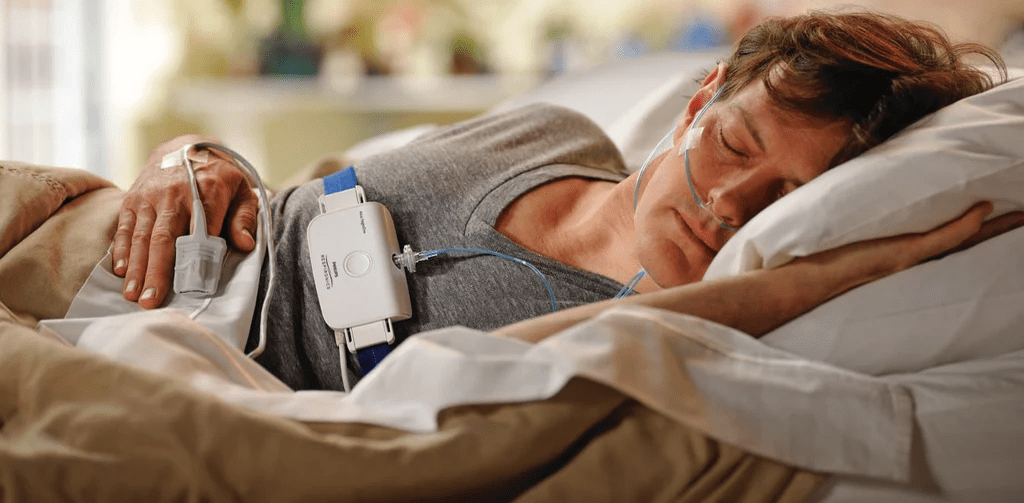
A home sleep apnea test is a screening tool that records your breathing and other key sleep-related data while you sleep comfortably in your own bed. Unlike traditional in-lab sleep studies, this test focuses primarily on identifying breathing disturbances that may indicate obstructive sleep apnea.
Most testing devices monitor several key measurements, including:
- Breathing effort
- Airflow
- Blood oxygen levels
- Heart rate
- Sleep position
The equipment is designed to be easy to use, allowing patients to follow straightforward instructions before going to bed. Since the test takes place in your normal sleeping environment, many individuals find it more comfortable than sleeping in a medical facility.
Who May Benefit from Home Testing?
A home-based sleep study is often recommended for adults who are suspected of having moderate to severe obstructive sleep apnea and do not have other complex sleep disorders.
You may be a good candidate if you:
- Snore regularly
- Experience excessive daytime fatigue
- Have witnessed breathing pauses during sleep
- Wake up frequently during the night
- Have risk factors such as obesity or high blood pressure
- Have a family history of sleep apnea
However, people with certain medical conditions or suspected neurological or complex sleep disorders may still require a comprehensive overnight sleep study in a sleep laboratory.
Advantages of Testing at Home
One of the biggest advantages of home sleep testing is convenience. Rather than adjusting to an unfamiliar environment filled with monitoring equipment, you sleep in your own bed following your normal bedtime routine.
Additional benefits include:
Greater Comfort
Many people sleep better in familiar surroundings. This may help provide a more realistic picture of typical sleep patterns.
Faster Access to Diagnosis
Home testing often reduces waiting times compared with scheduling an overnight laboratory study.
Easy Setup
Modern devices are designed with user-friendly instructions and require minimal preparation before bedtime.
Cost-Effective Option
For eligible patients, home testing may be more affordable than traditional overnight sleep studies while still providing valuable diagnostic information.
What Happens During the Test?
Before bedtime, you’ll attach several small sensors according to the provided instructions. These sensors work together to collect information throughout the night without requiring active participation while you sleep.
Once you wake up, the device is returned so that trained sleep specialists can analyze the collected data. They evaluate breathing interruptions, oxygen saturation, airflow, and other measurements to determine whether sleep apnea is present and assess its severity.
Your healthcare provider will then review the results and discuss appropriate treatment options if needed.
What Happens After Diagnosis?
If sleep apnea is confirmed, treatment recommendations will depend on the severity of the condition and your overall health.
Common treatment options include:
- CPAP (Continuous Positive Airway Pressure) therapy
- Weight management
- Positional therapy
- Oral appliance therapy
- Lifestyle modifications
- Surgical consultation in selected cases
Early treatment often leads to significant improvements in sleep quality, daytime energy, concentration, and long-term health outcomes.
Preparing for Your Home Sleep Study
To help ensure accurate results, it’s helpful to maintain your normal daily routine before the test.
Consider these simple tips:
- Avoid excessive alcohol before bedtime.
- Follow your usual sleep schedule.
- Carefully read all setup instructions.
- Wear comfortable sleepwear.
- Inform your healthcare provider about any medications that could affect sleep.
Following these recommendations helps capture a realistic representation of your typical night’s sleep.
Why Early Diagnosis Matters
Many people dismiss chronic fatigue as simply being part of a busy lifestyle. Unfortunately, untreated sleep apnea can gradually affect nearly every aspect of physical and mental well-being.
Identifying sleep apnea early makes it possible to begin treatment before the condition leads to more serious health issues. Improving nighttime breathing can reduce daytime sleepiness, improve work performance, enhance mood, and lower the risk of cardiovascular complications associated with untreated obstructive sleep apnea.
Recognizing symptoms early and seeking evaluation is one of the most important steps toward improving overall health and quality of life.
Conclusion
A home sleep apnea test offers a simple, comfortable, and reliable way to investigate possible obstructive sleep apnea without spending the night in a sleep laboratory. For many individuals, it provides an accessible first step toward understanding persistent fatigue, loud snoring, and disrupted sleep.
If you regularly experience symptoms of sleep apnea or someone has noticed interruptions in your breathing while you sleep, discussing testing with a qualified healthcare provider can help determine the most appropriate diagnostic approach. Early identification and treatment can lead to better sleep, increased daytime energy, and improved long-term health, making home sleep testing an important option for many adults seeking answers about their sleep.