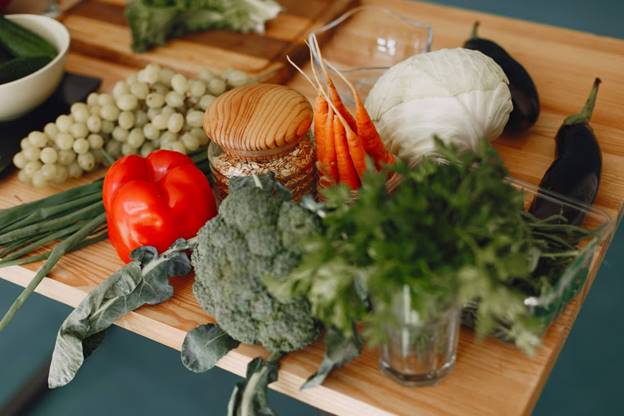
Healthy Food for Everyday Life
Every passing decade, you get new dietary guidelines claiming to support sustainable health objectives. Once, the focus was on plant-based proteins, and now everyone seems to advocate for fiber-rich diets. With so many guidelines and conflicting trends, it’s hard to know what healthy eating looks like in everyday life.
If you are also one of those individuals who are overwhelmed with emerging dietary guidelines, then this piece of writing is for you. Here, gets a basic idea of healthy food that supports your mental and physical well-being without making things complex.
Easy Principles to Follow for Everyday Nutrition
Healthy eating should be as simple as enjoying your favorite food; otherwise, it becomes difficult to stick to it. With a lot of research about healthy and unhealthy eating, here are the five key principles that you need to follow:
1. Understanding Food Nutritional Values
Even if you include all the food groups, your meal may or may not provide the nutrients you want. This is because some foods offer more calories and a wider variety of nutrients than others. A simple rule is to choose whole foods, such as whole grains, rather than canned foods when preparing your meal.
This is because whole foods provide more minerals, vitamins, and other nutrients than processed foods. The more you rely on nutrient-dense foods, the fewer meals you need to eat to meet your nutritional needs.
2. Strive for a Balanced Diet
Food is the primary source for getting the micro- and macronutrients that your body needs. The first criterion is having a well-balanced diet covering fruits, vegetables, lean protein, whole grains, healthy fats, etc.
Try to add a variety to your diet as much as possible, as this helps in preventing any nutritional gaps. If you want to avoid a food group, base it on a medical condition. For example, red meat isn’t good for heart health. Therefore, people should look for other protein sources, such as fish. Likewise, people with diabetes should prefer complex carbohydrates rich in fiber.
3. Enjoying Everything with Portion Control
Restricted diet plans can offer short-term health gains, such as weight loss and fat burn, but they don’t meet your body’s full needs. Every food group is crucial for your body to function. You don’t have to skip carbs or any other food group to get fit. What you actually need is portion control. Based on how much protein, carbs, and other nutrients your body needs, choose the right portion
This is because a well-balanced meal can cause excessive weight gain if you eat too much. You can use your hand to estimate the right proportions. A protein portion about the size of your palm is enough for one meal. Add vegetables equal to two cups, and add grains about the size of your fist. You can also reduce portions if you want to lose some pounds.
4. Smart Meal Planning
With a busy lifestyle, you often end up eating processed, ready-made foods and feeling guilty, even if you aim to eat healthy. Thus, before you buy such foods, start adopting smart meal-planning strategies. Decide your weekly menu on weekends and do grocery shopping so you have all the ingredients ready to cook at home.
If possible, chop vegetables and prepare grains well in advance and freeze the semi-cooked foods. Additionally, you can batch-cook on weekends to have a healthy meal after work. These hacks are better than eating heavily processed, sugary foods available at every grocery store when you are short on time.
5. Have Some Cheat Meals
Let’s be honest with ourselves. No matter how much you care for your health and strive for it, you crave some unhealthy stuff. Instead of depriving yourself, just be flexible. Allow a few cheat meals once or twice a week. A favorite food, even low in nutrients, can satisfy your craving and help you stick to your healthy dietary habits.
In contrast, too strict diet rules can create frustration, forcing you to end up following none. Remember, one cheat meal cannot ruin the effectiveness of a whole week of healthy eating. Hence, enjoy your cheat meal without any guilt.
Bottom Line
Healthy eating is not complicated or dependent on expensive ingredients. It is all about meeting your nutritional needs with healthy dietary habits.
Remember! Maintaining a healthy weight is not tough. Adopt a balanced diet of nutrient-dense whole foods, with portion control, smart meal planning, and occasional treats as your main strategy. Start practicing healthy eating now for a more active and healthier life.