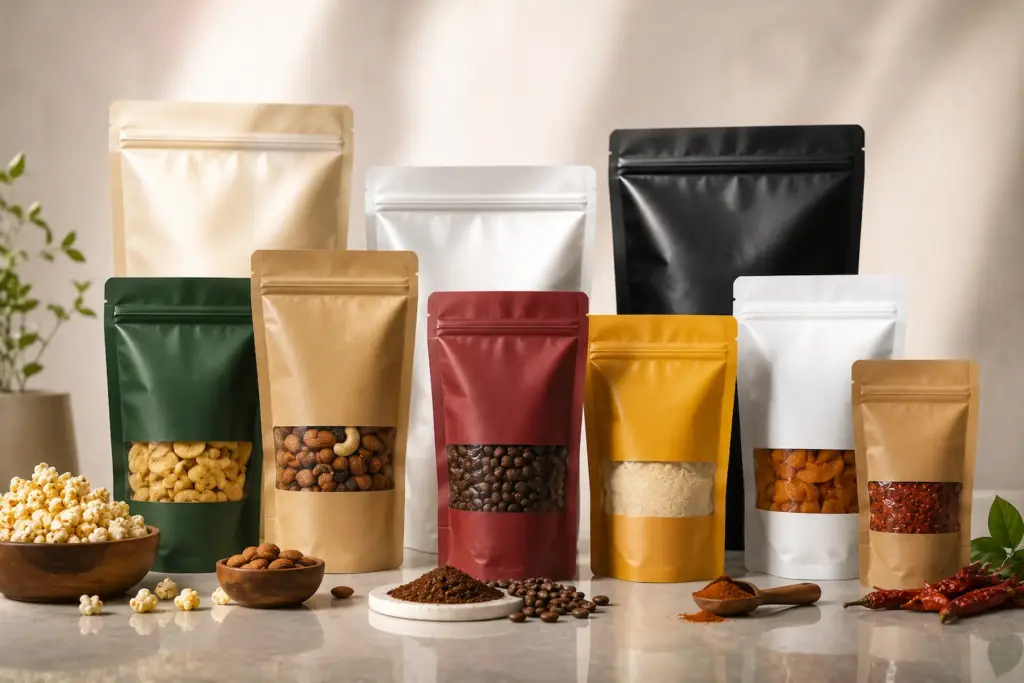
Flexible Packaging Secrets: 7 Ways Food Brands Cut Costs and Boost Sales
Food brands are under more pressure than ever. Shipping is costly, shelf space is limited, and customers often judge a product in just a few seconds. In this situation, packaging is not only a cover for the food. It becomes a smart business tool that can save money and help products sell faster.
Flexible packaging is one of the most practical choices for modern food brands. It is light, easy to store, simple to customize, and useful for many food items. From snacks and coffee to sauces, powders, dry fruits, and pet food, flexible pouches can protect the product and improve how it looks on the shelf.
Why Flexible Packaging Is a Smart Move for Food Brands
Food brands are choosing flexible packaging because it solves many problems at once. It can reduce shipping weight, save storage space, protect food, and give brands more room for creative printing.
Unlike rigid packaging, flexible pouches are easier to handle and come in styles like stand-up pouches, lay-flat pouches, rollstock, and retort pouches.
7 Flexible Packaging Secrets That Help Brands
Flexible packaging works best when brands use it with a clear purpose. The right pouch style, material, printing, and features can reduce hidden costs and make the product more attractive. So, let’s explain the 7 key secrets food brands use to save money and grow sales.
Secret 1: Lightweight Pouches Help Reduce Shipping Costs
One of the biggest reasons food brands choose flexible packaging is its light weight. Compared to jars, cans, bottles, and rigid boxes, flexible pouches are easier and cheaper to move.
- Flexible pouches weigh less, which can help reduce shipping costs.
- Brands can fit more products in one shipment because pouches take less space.
- Lower shipping weight can make distribution more affordable for growing food brands.
- Lightweight packaging is also easier for workers, retailers, and customers to handle.
- This makes flexible packaging a smart option for brands that want to control costs without changing the product itself.
Important Note: Packaging cost is not only about the pouch price. Brands should also think about shipping, storage, product damage, returns, and waste.
Secret 2: Space-Saving Packaging Cuts Storage and Warehouse Costs
Empty jars, bottles, and boxes take up a lot of warehouse space. Flexible pouches are different because they can be shipped and stored flat before filling. This helps brands keep more units in less space.
Less storage pressure means better inventory control and fewer space-related problems.
| Packaging Factor | Rigid Packaging | Flexible Packaging |
| Storage space | High | Low |
| Shipping weight | Heavier | Lighter |
| Design options | Limited | Wide |
| Batch testing | Harder | Easier |
Secret 3: High-Barrier Films Protect Food and Reduce Product Waste
Food waste can quietly increase costs for food brands. If a product loses freshness, absorbs moisture, or gets damaged before sale, the brand may lose money and customer trust.
- High-barrier films help protect food from moisture, oxygen, light, and outside air.
- They can help keep snacks crispy, coffee fresh, spices strong, and powders dry.
- Better protection can improve shelf life and reduce spoiled or returned products.
- Different foods need different barrier levels, so the packaging should match the product.
- Coffee may need aroma protection and a degassing valve.
- Snacks may need moisture protection to stay crunchy.
- Sauces and ready meals may need leak-resistant and heat-safe packaging.
Secret 4: Stand-Up Pouches Improve Shelf Visibility and Attract Buyers
After cost-saving comes sales growth. Stand-up pouches help food products look clean, modern, and premium on store shelves. Since the pouch stands upright, the front design is easier for customers to see.
This matters because buyers often make quick choices in stores. A well-designed pouch can make the product look fresh, trustworthy, and worth trying.
A strong stand-up pouch can help with:
- Better front-facing display
- More visible branding
- Cleaner shelf arrangement
Secret 5: Custom Printing Turns Packaging Into a Mini Advertisement
Custom printed pouches allow food brands to tell their story directly on the package. A pouch can show the product name, flavor, ingredients, benefits, logo, and brand message in one place. This makes packaging work like a small advertisement.
Good printing also helps customers understand the product faster. If the design is clear, customers do not have to guess what the product is. This can improve trust and increase the chance of purchase.
Food brands can use custom printing to highlight:
- Natural ingredients
- Freshness claims
- Flavor names
- Certifications
Simple design is often better than crowded design. A clean pouch with readable text and clear product details can perform better than packaging that looks too busy.
Secret 6: Resealable Features Increase Customer Convenience
Customers like packaging that is easy to open, close, store, and use again. This is why resealable features can improve the full customer experience after purchase.
- Zip locks help customers keep food fresh after opening.
- Tear notches make the pouch easier to open without scissors.
- Spouts work well for sauces, liquids, baby food, and drink products.
- Product windows let customers see the food before buying.
- Degassing valves are useful for coffee because they help protect freshness.
- Better convenience can lead to better customer satisfaction and repeat purchases.
Important Note: Do not add features only because they look attractive. Choose features that match how customers will actually use the product.
Secret 7: Low MOQ and Custom Options Help Brands Launch Faster
Food trends change quickly. New flavors, limited editions, seasonal products, and private-label items often need fast testing. Low MOQ flexible packaging helps brands launch without taking a big risk.
Instead of ordering a very large amount of packaging, brands can start smaller and test demand. This is useful for startups, local food makers, online food brands, and companies trying new markets.
Low MOQ and custom options can support:
- New product launches
- Seasonal flavors
- Trial packaging
- Private-label products
- Market testing
Sustainable Flexible Packaging Builds Buyer Trust
Many customers now care about how products are packed. Sustainable flexible packaging can help food brands look more responsible while still protecting the product.
- Recyclable pouches can help brands reduce packaging waste.
- Biodegradable and compostable options can support eco-friendly brand goals.
- Mono-material packaging can make recycling easier in the right systems.
- Sustainable packaging can improve trust with eco-conscious buyers.
- It can make the product feel more modern, thoughtful, and responsible.
- Brands should use clear and honest sustainability claims to avoid confusing customers.
Best Food Products That Can Benefit From Flexible Packaging
Flexible packaging works well for many food products because it protects freshness, supports branding, and makes storage easier. It is useful for both small food brands and larger companies.
- Snacks and dry foods: Chips, nuts, granola, candy, dry fruits, and spices can stay fresh with the right pouch.
- Coffee and tea: Flexible pouches can help protect aroma, flavor, and freshness for longer.
- Powders and supplements: Protein powders, drink mixes, spices, and health products can use resealable pouches for easy storage.
- Sauces and liquids: Spout pouches and leak-resistant packaging can make liquid products easier to use.
- Frozen and ready-to-eat foods: Strong flexible packaging can help protect food during storage, transport, and heating.
- Pet food: Larger resealable pouches can help keep pet food fresh and easy to store.
How Food Brands Can Choose the Right Flexible Packaging
Before choosing packaging, food brands should look at both cost and customer experience. A beautiful pouch is not enough if it does not protect the food. Strong protection is also not enough if the packaging does not attract buyers.
Brands should check:
- Product type and weight
- Shelf-life needs
- Barrier protection
- Pouch style and size
- Printing quality
- Resealable features
- Sustainability goals
The best flexible packaging is the one that protects the product, supports the brand, and fits the customer’s daily use.
Conclusion
Flexible packaging helps food brands in two powerful ways. First, it cuts costs by reducing shipping weight, storage space, product waste, and launch risk. Second, it helps increase sales by improving shelf appeal, branding, convenience, and customer trust.
For food companies, packaging should never be treated as a small detail. The right pouch can protect freshness, tell the brand story, and make the product easier to choose.
Ready to Make Your Food Packaging Work Smarter?
Your packaging should do more than hold your product. It should protect freshness, reduce costs, support your brand, and help your product stand out on shelves.
Custom flexible pouches can help food brands package smarter, sell better, and build stronger customer trust.
FAQs
1. How does flexible packaging help food brands cut costs?
Flexible packaging can reduce shipping weight, storage space, material use, and product waste. It also helps brands test new products with less financial risk.
2. Can flexible packaging help increase food product sales?
Yes, better shelf visibility and custom printing can make products more attractive to customers. Convenient features like zippers and spouts can also encourage repeat purchases.
3. What type of flexible packaging is best for snacks?
Stand-up pouches with high-barrier films and resealable zippers are a strong choice for snacks. They help protect freshness and make the product easy to store after opening.
4. Why are high-barrier pouches important for food packaging?
High-barrier pouches protect food from moisture, oxygen, odor loss, and freshness damage. This can help improve shelf life and reduce the chances of spoiled products.
5. Are custom printed pouches good for small food brands?
Yes, custom printed pouches help small brands look more professional and trustworthy. They also make it easier to compete with bigger brands on retail shelves.
6. Is sustainable flexible packaging available for food brands?
Yes, food brands can choose recyclable, biodegradable, compostable, or mono-material pouch options. The best choice depends on the product type, shelf-life needs, and recycling options.