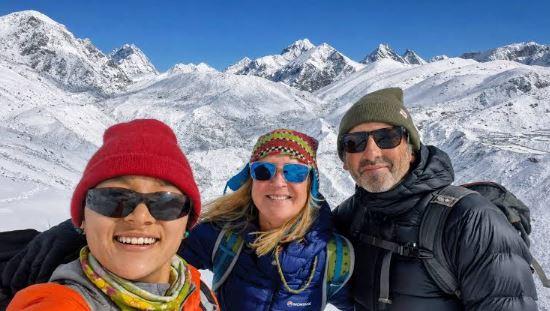
Everest Base Camp Trek Without Flight to Lukla: Villages, Mountain Passes, and the Road to the Khumbu
Most guides to the Everest Base Camp trek start the same way: you land in Kathmandu, you cross your fingers about the weather, and a few days later you’re bumping down onto that famously short runway in Lukla. It’s efficient, it’s exciting, and honestly it’s also a bit of a shortcut past the part of Nepal that a lot of trekkers never get to see.
There’s another way in. You can walk into the Khumbu instead of flying, starting much further south in the lower Solu region and letting the mountains build up gradually rather than all at once. It takes longer. It also changes the whole feel of the trip, turning the approach itself into part of the story rather than a logistical hurdle you’re trying to skip.
So — can you actually do the Everest Base Camp trek without a flight to Lukla? Yes. You drive or walk in from the Solu side, pass through villages that most Khumbu-bound trekkers never see, and eventually join the classic Everest trail somewhere around Lukla or Phakding, continuing north from there exactly as everyone else does.
Why Skip the Lukla Flight and Walk Into the Khumbu?
The Approach Becomes Part of the Trek
When you fly straight to Lukla, you’re dropped at nearly 2,800 meters and the high mountains are already right there in front of you. Walk in from Solu instead, and the whole thing unfolds more slowly — lower hills first, then forest, then the first real ridgelines, and only after several days does the landscape start to feel distinctly Khumbu. Terraced fields, small farming villages, pine and rhododendron forest — it’s a completely different rhythm, and honestly a more forgiving one for your lungs.
A Different Relationship With the Everest Region
There’s also something to be said for arriving at Base Camp having actually walked most of the way there, rather than flying into the middle of it. This route isn’t just about ticking off the destination. It gives you a longer, layered sense of how the lower hills connect to the high Khumbu, and it tends to suit people who have a bit more time on their hands and would rather walk than gamble on a short mountain flight that gets delayed as often as it doesn’t.
The Route From Solu Toward the Khumbu
There isn’t one single fixed itinerary here — trail conditions and road access in the Solu region shift from year to year — but the broad shape of the journey tends to look something like this: starting in the lower Solu hills (often via Salleri or Phaplu, both reachable by road from Kathmandu), trekking north through smaller villages, optionally taking in the high ridges around Pikey Peak, and eventually joining the classic Everest corridor near Lukla or Phakding before continuing on to Namche Bazaar, Tengboche, Dingboche, Lobuche, Gorak Shep, and finally Everest Base Camp itself.
Villages, Forest Trails and High Ridges
The early stages of this route pass through places most EBC itineraries skip entirely — villages like Nunthala and Bupsa, connected by trail sections that were, before Lukla flights existed, literally the only way in or out of the Everest region. It’s worth remembering that this overland approach isn’t some novelty invention; it’s closer to the original route trekkers used decades ago, before the airstrip changed everything.
If you build Pikey Peak into the itinerary, you add a stretch of high, open ridge walking with some of the widest Himalayan panoramas in the region — Everest, Makalu and Kanchenjunga all visible on a clear day — before the trail eventually drops back down and reconnects with the main Khumbu corridor.
Pikey Peak Trek: A Meaningful Detour or Part of the Journey?
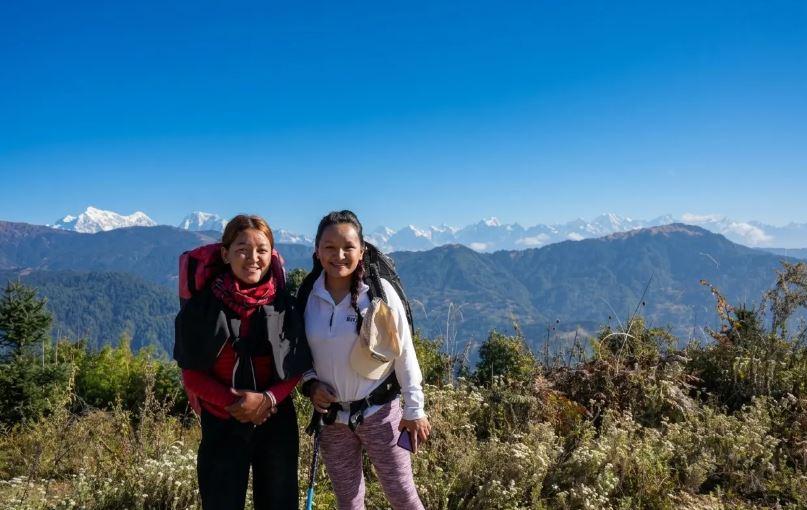
The Pikey Peak Trek sits in that lower Everest/Solu landscape, reached by road rather than by flight, and it’s become a genuinely popular add-on for trekkers doing the overland approach. The real draw isn’t just “no Lukla flight” — plenty of routes offer that. It’s quiet. Pikey Peak sees a fraction of the foot traffic that the main EBC trail does, and the ridge views from the summit area are, by most accounts, some of the best in the entire Everest region.
The question worth asking isn’t really “can Pikey Peak be combined with EBC” — it clearly can, and plenty of operators run exactly this itinerary. It’s more “does adding it actually give you the kind of trip you want.” Tacking it on adds several days and a different acclimatization rhythm, so it’s worth checking how your specific route connects back to the Khumbu before you commit to a combined itinerary, since trailheads and road access do vary.
The Mountain Passes That Change the Character of the Trek
Once the trail starts climbing out of the lower Solu villages, the character of the walking changes noticeably. You’re no longer just strolling between farming settlements — there are proper ridge crossings, steeper and more exposed sections, and the kind of elevation gain that starts to actually test your legs. Depending on which specific route and operator you go with, the exact passes involved will differ, so it’s worth not assuming every itinerary crosses the same terrain.
What these higher sections do, more than anything, is create natural turning points in the trip. You climb, the tree line thins out, and the next valley over often looks and feels completely different from the one you just left. It’s a good reminder, too, that acclimatization matters here just as much as it does once you’re deeper into the Khumbu — a lower starting altitude doesn’t mean you can ignore the climb.
Joining the Classic Everest Base Camp Trail
Eventually, whichever version of the overland route you’ve taken, you link up with the trail everyone else is on — Namche Bazaar, Tengboche, Dingboche, Lobuche, Gorak Shep, and then Base Camp.
From Namche to the High Khumbu
Things shift noticeably past Namche. This is where the trail starts to feel unmistakably like the Everest Base Camp trek most people picture — mani walls, strings of prayer flags, Sherpa villages built around Buddhist monasteries, and a steady string of mountain lodges. The elevation starts to bite here too; the air gets thinner, walking gets slower, and days that once felt easy start requiring real pacing. None of that is unique to the overland approach — it’s simply what the second half of any Everest Base Camp trek looks like, whichever way you got there.
What Changes When You Do the Everest Base Camp Trek Without Flight to Lukla?
| Factor | Overland Approach | Lukla Approach |
| Trek length | Longer | Shorter |
| Starting elevation | Lower | Higher |
| Landscape | Gradual transition | Fast entry into Khumbu |
| Villages seen | More lower-hill communities | Mostly Khumbu settlements |
| Flight dependence | Reduced or removed | Required |
| Days needed | More | Fewer |
Neither version is objectively better — it really comes down to how much time you have, how you feel about flying into a mountain airstrip, and how much of the “getting there” you actually want to experience rather than skip past.
Acclimatization, Fitness and Daily Walking Reality
Starting lower does make the elevation gain more gradual, which genuinely helps with acclimatization. What it doesn’t do is make the trek easy. You’re still stacking up consecutive walking days, still climbing into thinner air eventually, and still need to eat properly, drink enough, and actually rest on the days built in for recovery. The extra days at lower altitude are a real advantage, but altitude sickness doesn’t care how scenic your approach was — once you’re up in the Khumbu, the same rules apply regardless of which way you walked in.
How Many Days Should You Allow?
It’s tempting to think of this as “the normal EBC trek plus a few extra days,” but that undersells it. How long you need depends on your starting point, whether Pikey Peak is included, which exact trail you’re following, how many rest days you build in, and even what the weather’s doing that season. Anyone planning an Everest Base Camp trek without flight to Lukla should build in some slack rather than working to a tight schedule — road conditions and trail access in the lower hills can shift things by a day or two either way.
What Kind of Trekker Is This Route Best Suited To?
This approach tends to suit people who have the time for a longer Himalayan trip, would rather walk than fly, and want to see more of the lower hills than the standard Lukla-to-EBC crowd ever does. It also appeals to anyone drawn to combining Pikey Peak with a full Everest itinerary, or who just likes the idea of the approach itself counting as part of the adventure rather than dead time before the “real” trek starts.
If you’re short on vacation days, or your main goal is simply reaching Base Camp with as little fuss as possible, the standard Lukla flight route is still going to make more sense.
Practical Planning: Guides, Permits, Weather and Trail Conditions
Before setting off, it’s worth confirming your exact route, since access points and road conditions in the lower Solu region change more often than the well-established Khumbu trail does. Check current permit requirements, arrange a guide or porter if you’re not experienced with independent Himalayan trekking, and don’t assume every village along the way will have reliable accommodation — some of the smaller settlements have limited teahouse capacity. Carry enough cash, since ATMs thin out fast once you’re off the road network, and build backup days into your schedule in case weather or trail conditions cause delays.
Local operators such as Nepal Independent Guide can be a useful resource when you’re working out route logistics and guide support for this kind of itinerary. Beyond that, the same general advice applies as with any high-altitude trek: verify current regulations before you go, since things do change.
The Final Walk to Everest Base Camp
By the time you’re pushing on from the high Khumbu settlements toward Gorak Shep, the vegetation has thinned right out, the ground underfoot turns rocky and glacial, and the pace naturally slows. There’s something different about reaching Base Camp when you’ve physically walked most of the way there from much further south — it doesn’t feel like the trek suddenly started a few days ago at an airstrip. It feels like the whole journey, hills and passes and villages included, has actually led somewhere.
Take the Long Road to the Khumbu
Flying to Lukla gets you into the Khumbu fast. Walking in from Solu lets the whole landscape unfold in front of you instead. The Everest Base Camp trek doesn’t have to be just about the final destination — starting in the lower hills, crossing a few passes, passing through villages most trekkers never see, and folding in Pikey Peak if it fits your plans all add up to a longer, more complete story.
It’s not for everyone. But for trekkers with the time to spare who’d rather the journey to Everest start well before Namche Bazaar even comes into view, it’s worth serious consideration.
Frequently Asked Questions About the Everest Trek Without Lukla
Can you do the Everest Base Camp trek without flying to Lukla?
Yes. You approach overland from the Solu region, joining the standard Khumbu route further along the trail.
Is the Everest Base Camp trek without a Lukla flight longer?
Generally, yes — it takes more trekking days than the standard fly-in itinerary, since you’re walking the approach that most trekkers fly over.
Can I combine Pikey Peak with Everest Base Camp?
You can, and it’s a fairly common combination, but the exact route connection depends on which itinerary and starting point you choose, so it’s worth confirming in advance.
Is walking in from Solu harder than starting from Lukla?
It’s more walking and more total time, but the lower starting elevation means a gentler, more gradual rise toward the high Khumbu.
What villages do you pass through on the way to Everest Base Camp without Lukla?
That depends on the specific Solu or Pikey Peak route you take, but the later stretch includes the same major Khumbu settlements as any EBC trek — Namche Bazaar, Tengboche, Dingboche, Lobuche and Gorak Shep.
Is this route suitable for first-time Everest Base Camp trekkers?
Previous experience helps but isn’t essential. Pacing, acclimatization, fitness, and proper route planning matter more than whether you’ve done a Himalayan trek before.