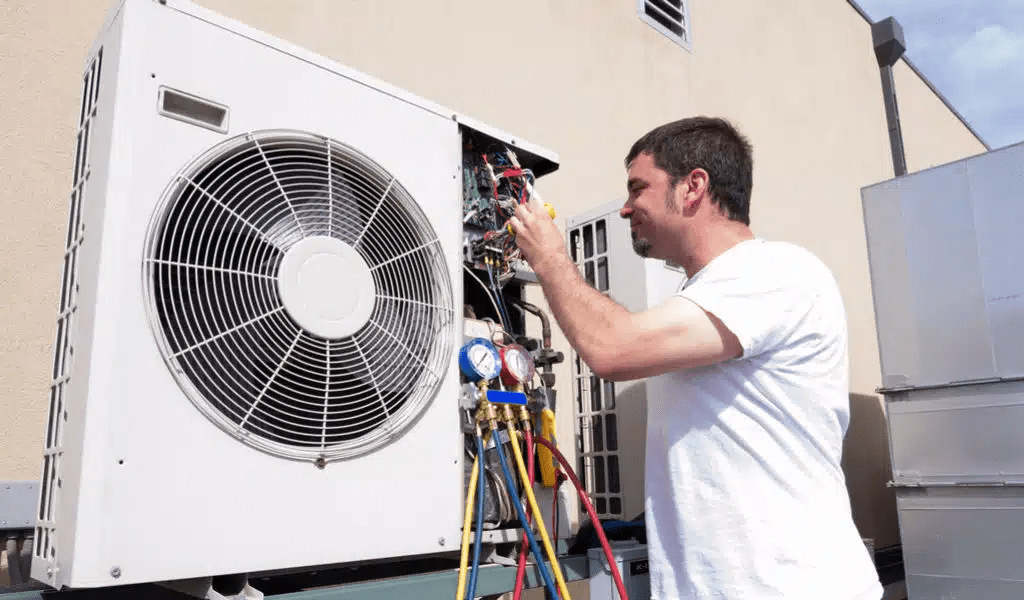
Early Signs Your Heating and Cooling System Needs Repair
Most heating and cooling systems don’t simply wake up one morning and decide they’re finished. Usually, they complain first.
Maybe the furnace starts making a faint rattling sound that wasn’t there last winter. Perhaps the air conditioner takes a little longer to cool the living room, or one bedroom suddenly feels warmer than the rest of the house. These things are easy to ignore, especially when the system is technically still working. Life is busy, after all.
The trouble is, small HVAC problems have a habit of becoming expensive ones when they’re left alone for too long.
Pay Attention to Changes in Everyday Comfort
One of the easiest ways to spot an HVAC problem is simply to notice how your home feels.
You know your house better than anyone. If you normally keep the thermostat at 72 degrees and suddenly need to lower it several degrees to feel comfortable, something has changed. The same goes for heating. A furnace that once warmed the house quickly shouldn’t suddenly need an hour to accomplish the same job.
Uneven temperatures deserve attention too. One room being slightly warmer because it gets afternoon sun is normal. But if the kitchen feels comfortable while a nearby bedroom is noticeably cold, airflow, ductwork, thermostat calibration, or equipment performance could be involved.
Sometimes homeowners searching for heating repair in Springdale are surprised to learn that the issue isn’t necessarily a failed furnace. A dirty filter, struggling blower motor, faulty thermostat, blocked vent, or ignition problem may be enough to affect the entire system.
Catching those problems early usually gives you more repair options.
Strange Sounds Aren’t Just Annoying
Heating and cooling equipment naturally makes some noise. You’ll hear the system start, air moving through vents, and perhaps a gentle hum from the outdoor unit.
New noises are different.
Grinding might suggest worn mechanical components. Squealing can sometimes point toward a belt or motor issue. Repeated clicking may indicate an electrical or control problem, while banging or rattling could come from loose components.
Not every unusual sound means disaster is around the corner. Still, turning the television louder so you don’t hear the furnace isn’t much of a repair strategy.
It’s worth having the source checked before a loose or worn component damages something more expensive.
Your Energy Bill Can Tell a Story
Utility bills fluctuate throughout the year, so one expensive month doesn’t automatically mean your HVAC equipment is failing. Extreme temperatures can easily explain higher energy consumption.
What matters more is a pattern.
Suppose your electricity usage this summer is noticeably higher than it was during a similar period last year, yet your cooling habits haven’t changed much. Your air conditioner may be running longer than it should.
That can happen because of dirty coils, restricted airflow, refrigerant-related problems, aging components, or other efficiency issues.
The same principle applies during winter. A heating system that cycles constantly while struggling to reach the thermostat setting may be consuming additional energy without providing additional comfort.
Don’t Forget the Humble Air Filter
Air filters aren’t exciting. Nobody shows off a newly replaced HVAC filter to visiting friends.
Yet this inexpensive little component plays an important role.
A clogged filter restricts airflow through the system. When airflow drops, the equipment may have to work harder to heat or cool your house. Comfort can suffer, efficiency can decline, and certain components may experience additional strain.
How often a filter needs changing depends on the household. Homes with pets, heavy dust, remodeling work, or higher HVAC usage may need more frequent replacements than others.
Checking the filter regularly takes about a minute, and it’s one of those boring maintenance habits that can genuinely make a difference.
Air Conditioning Problems Often Develop Gradually
An air conditioner doesn’t have to stop producing cold air completely before it needs attention.
Long cooling cycles, weak airflow, unusual odors, excess indoor humidity, water near the indoor unit, or frequent on-and-off cycling are all worth investigating.
Professional AC repair services can help identify whether the problem comes from airflow restrictions, electrical components, drainage issues, refrigerant concerns, thermostat problems, or ordinary wear inside the system. The important thing is getting an accurate diagnosis rather than replacing random parts and hoping something works.
That approach can save both money and frustration.
Maintenance Is Usually Easier Than an Emergency Repair
Preventive HVAC maintenance sometimes feels unnecessary because you’re paying someone to inspect equipment that appears to be working perfectly.
That’s actually the point.
Routine inspections give technicians an opportunity to find wear, loose electrical connections, dirty components, drainage problems, airflow concerns, and other developing issues before they interrupt heating or cooling altogether.
Maintenance isn’t a guarantee that nothing will ever break. Machines wear out. Components fail. Older systems eventually need replacement.
But a well-maintained unit generally has a better chance of delivering dependable performance than one that receives attention only after something stops working.
And emergency failures have remarkable timing. They seem particularly fond of extremely hot afternoons, freezing nights, weekends, and holidays.
Know When Repair May Not Be the Best Answer
Repairing an HVAC system isn’t automatically the smartest choice every time.
Age matters. So does repair history.
If an older system needs frequent repairs, struggles to maintain comfortable temperatures, and causes steadily rising energy bills, replacement may eventually become more economical than continuing to patch individual problems.
On the other hand, replacing relatively young equipment because of one repairable component doesn’t always make financial sense.
A trustworthy technician should be able to explain what failed, what repairing it involves, the general condition of the equipment, and whether replacement deserves consideration. You should understand the options before making the decision.
Comfort Problems Rarely Improve by Being Ignored
There’s a big difference between being cautious and panicking every time the furnace makes a noise.
The sensible middle ground is awareness.
Notice changing temperatures. Listen for unfamiliar sounds. Watch your energy consumption. Replace dirty filters. Pay attention when the system starts running differently from the way it normally does.
Your heating and cooling equipment works quietly in the background for thousands of hours, which makes it easy to forget until something goes wrong.
Giving those early warning signs a little attention can mean a straightforward repair today instead of an uncomfortable—and potentially much more expensive—breakdown later.