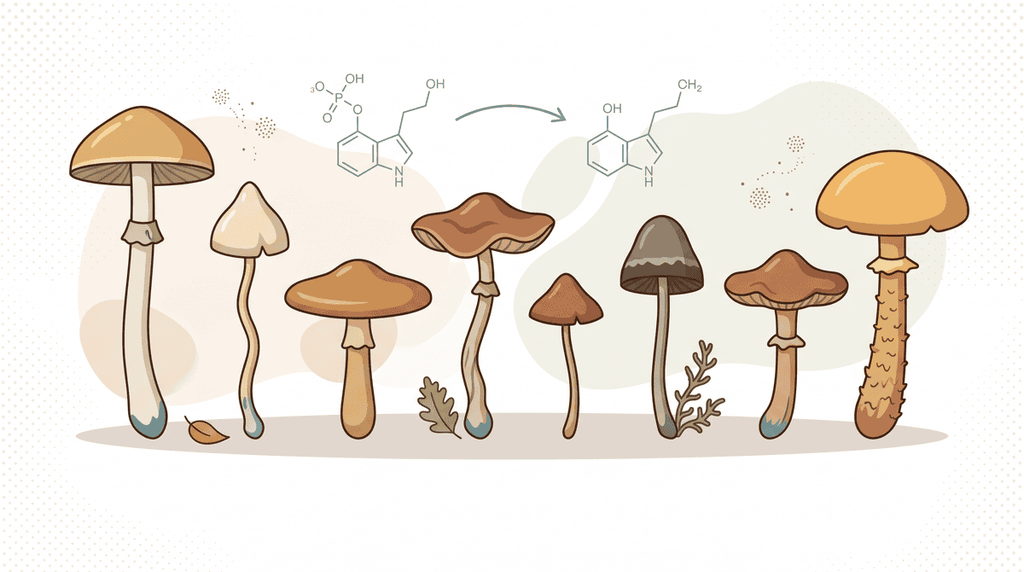
Discovering The Benefits Of Low-Dose Natural Compounds
What if we could explore a natural compound at a much smaller amount, aiming to experience subtle changes, rather than an intense effect? That question has helped feed a growing interest in low-dose psychedelic use. People who experiment with these compounds are often motivated by a curiosity about possible changes in their mood, creativity, focus or general sense of well-being.
Microdosing has become especially popular in discussions around psychedelic substances like psilocybin and LSD. A microdose is not meant to have a significant, if any, hallucinogenic effect, unlike a full psychedelic dose. However, the possible benefits remain an open question for ongoing scientific investigation, and many claims about the practice are not yet supported by current evidence.
So, what potential benefits have attracted so much attention?
1. May Support A More Positive Mood
One of the most popular reasons people want to try microdosing psilocybin is for the potential of a more positive mood.
Many people report feeling more optimistic, emotionally balanced or more engaged in everyday life after microdosing. A few observational studies have also suggested that those who microdose regularly report benefits in mood, optimism and life satisfaction. These findings help to explain why mood is one of the most frequently cited potential benefits.
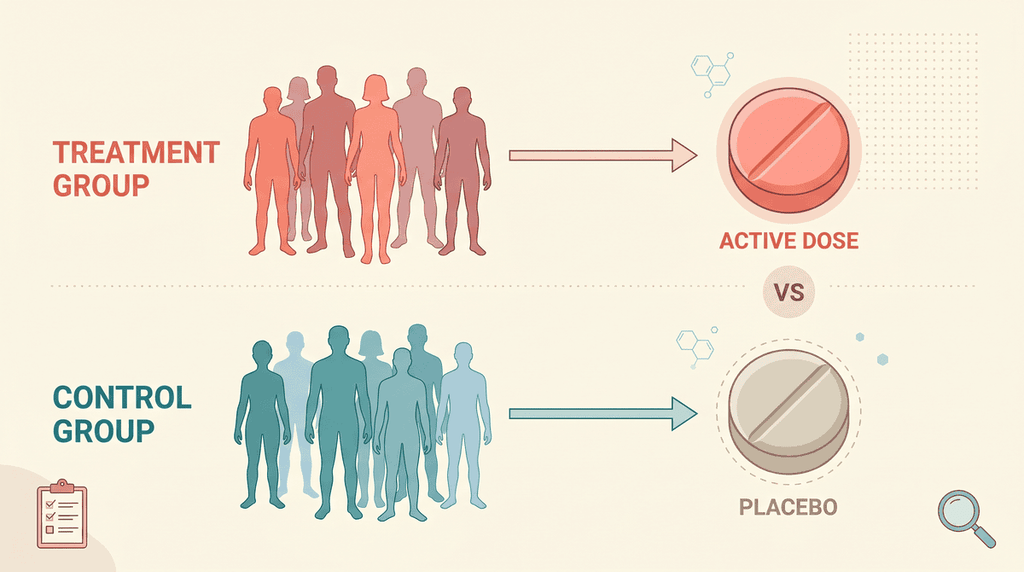
But there’s a world of difference between claiming a benefit and proving a substance caused it. Many microdosing studies rely on people reporting on their own experiences. More rigorous placebo-controlled studies have produced less convincing results, with some studies showing little or no measurable improvement in mood.
So the potential mood benefit is interesting but should not be considered a proven effect yet.
2. Could Encourage Creativity
Creativity is another reason low-dose psychedelic compounds have attracted attention.
Some people say they become more open to new ideas or see familiar problems in a different light after microdosing. This perceived boost in creativity has become of particular interest to people engaged in creative work, where it may be advantageous to generate new ideas and think flexibly.
Some people who microdose have also reported perceived improvements in creativity, according to research. However, the evidence isn’t strong enough to say that microdosing directly improves creative ability. Expectations could affect the way people perceive their performance, especially if they already believe a substance will make them more creative.
Despite these limitations, the relationship between psychedelic compounds and creative thinking remains an interesting area for researchers. Future studies can clarify if the reported changes are a true cognitive effect or are substantially affected by expectations and other factors.
3. May Enhance Concentration And Productivity
Another potential plus that keeps microdosing in the news is improved concentration.
People might choose low-dose methods because they want to remain engaged in their tasks, stay motivated, or be more productive without the perceptual effects associated with a full psychedelic dose. This is especially important for people who spend much of their day studying, creating, planning, or working on mentally demanding tasks.
Some say they feel more focused or productive while microdosing. But these subjective experiences have not always been consistently validated with objective cognitive testing.
That is an important difference. An individual may find feeling more productive and meaningful, but that does not necessarily mean the compound has improved cognitive performance.
At this point, the possible benefits of increased focus and productivity are potential benefits at best, not proven results.
4. May Support Emotional Resilience
Emotional resilience is the ability to cope with challenges and bounce back from adversity. It’s another area that has contributed to the growing interest in psychedelic microdosing.
Some people find that taking very small amounts of psychedelics makes them feel more emotionally flexible, optimistic or better able to cope with the stresses of everyday life. Maybe that experience is one of the reasons emotional resilience is one of the reasons people choose to microdose.
There is also wider scientific interest in psychedelics and mental health. But it’s important not to conflate research on full-dose psychedelic-assisted therapy with evidence for microdosing. The two approaches may involve very different doses, settings and levels of professional supervision.
Currently, there is insufficient high-quality evidence that microdosing reliably enhances emotional resilience. But the possibility is being explored, and remains part of the wider discussion around these compounds.
5. Could Promote Mindfulness And Overall Well-Being
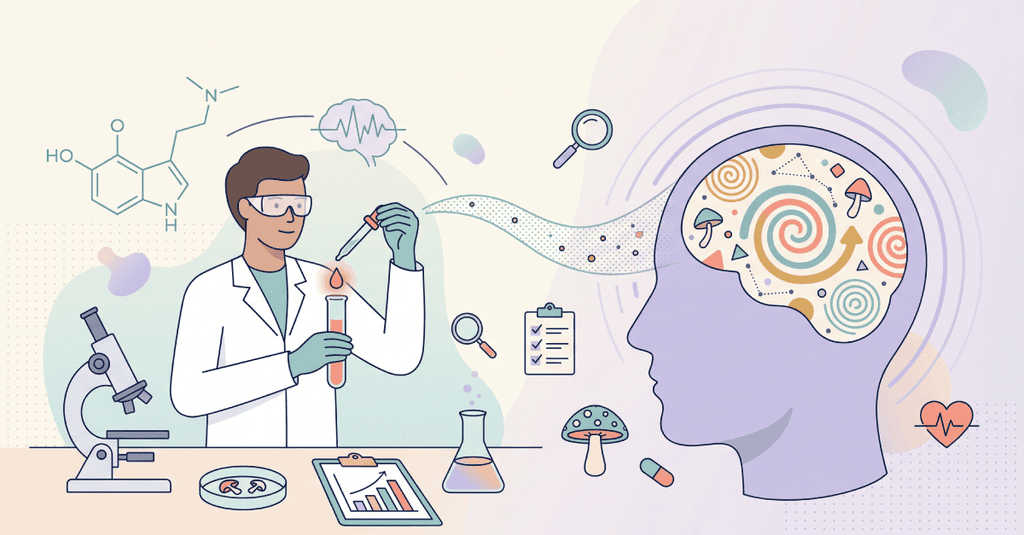
Some people are also interested in microdosing because they link it to increased mindfulness and a more profound sense of daily well-being.
This may feel like being more grounded, more engaged with life, or more connected to personal goals. Some people say their overall perspective or satisfaction with daily life changes. Observational research has also linked regular microdosing to measures such as optimism and life satisfaction.
Yet these findings need careful interpretation. It’s difficult to know what’s causing a perceived improvement when people change their routines, expectations, environment, and mindset all at once.
The possible link to mindfulness and well-being is worth investigating; it needs further solid research. People wonder about the possibility of small shifts in mood, creativity, concentration, emotional resilience, or well-being without the intense effects of a full psychedelic experience.
Research has produced some encouraging observations, particularly from people’s reported experiences. However, controlled trials have produced mixed results, and some of the observed benefits may be due to placebo effects. There isn’t enough evidence today to say that microdosing is an effective way to improve thinking or treat a health condition.
The most balanced view right now is to recognize why these potential benefits have generated interest while keeping expectations realistic. With larger and longer-term research studies being conducted by researchers, we may start to get a better understanding of what low-dose psychedelic compounds can actually offer.
Looking At The Potential With An Open Mind
The interest in low-dose natural compounds is understandable. People are curious about whether subtle changes in mood, creativity, concentration, emotional resilience, or well-being could be possible without the intense effects associated with a full psychedelic experience.
Research has provided some encouraging observations, particularly from studies based on people’s reported experiences. At the same time, controlled trials have produced mixed findings, and placebo effects may explain some of the perceived benefits. Current evidence is therefore not strong enough to consider microdosing a proven way to improve cognition or treat a health condition.
For now, the most balanced perspective is to recognize why these potential benefits have generated interest while keeping expectations realistic. As researchers conduct larger and longer-term studies, we may gain a clearer understanding of what low-dose psychedelic compounds can actually offer.