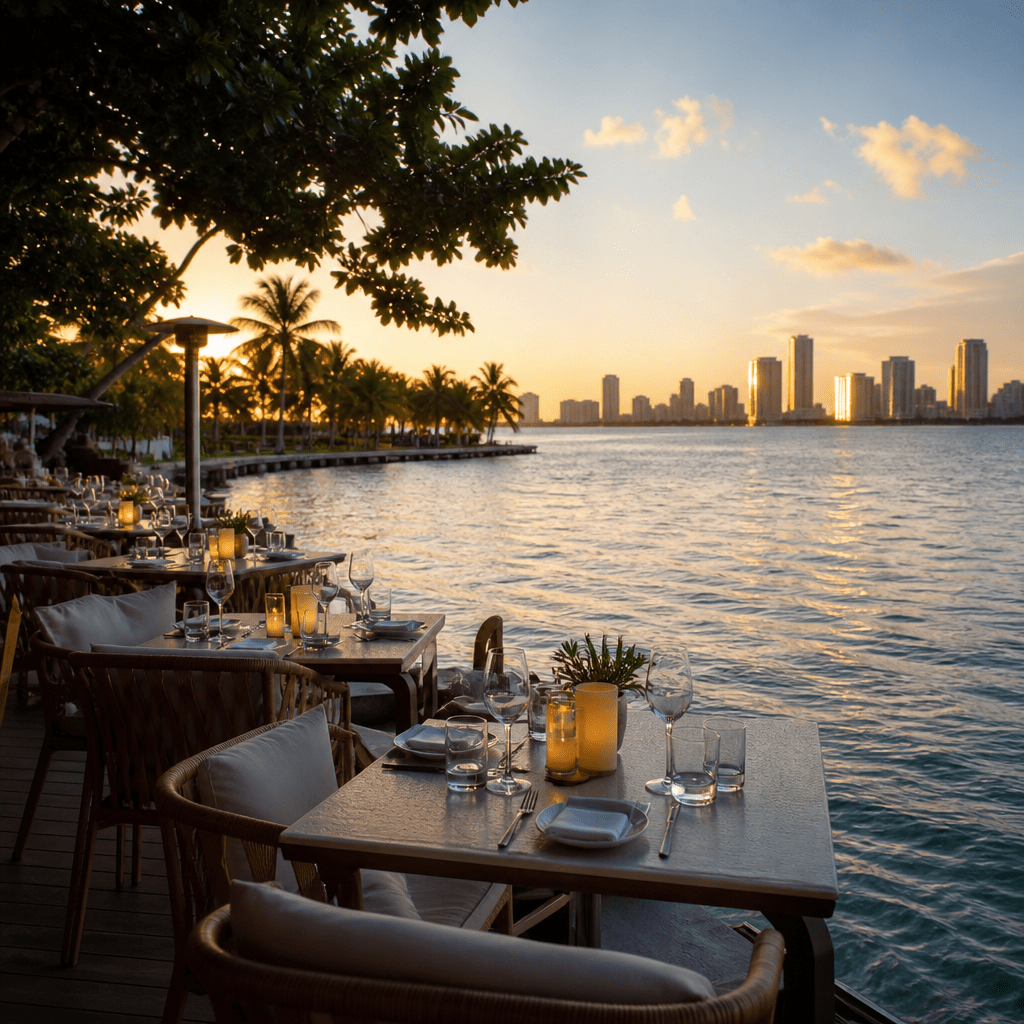
Dining by the Water: Why Waterfront Restaurants in Coconut Grove Define Miami’s Culinary Soul
Miami has long been celebrated for its vibrant food scene, but few dining experiences rival the magic of sitting beside open water as the sun dips below the horizon. Coconut Grove, one of Miami’s oldest and most storied neighborhoods, has cultivated a dining culture that blends natural beauty with culinary ambition. Here, the waterfront is not merely a backdrop — it is an essential ingredient in the overall experience. From the gentle lapping of Biscayne Bay to the salt-tinged breeze that drifts through open-air terraces, every meal becomes something more than just food on a plate.
The Unique Atmosphere of Coconut Grove’s Dining Scene
Coconut Grove occupies a rare space in Miami’s geography and identity. Unlike the neon-lit energy of South Beach or the urban density of Brickell, the Grove moves at its own rhythm — lush, unhurried, and deeply connected to the natural landscape surrounding it. Towering banyan trees shade cobblestone streets, while marinas dotted with sailboats and yachts frame the neighborhood’s eastern edge along the bay. This setting creates a dining environment that feels simultaneously relaxed and refined, where guests arrive not just to eat but to linger.
Restaurants in this area have long understood that their greatest asset is the environment itself. Chefs and restaurateurs design menus and spaces that honor the waterfront setting, incorporating fresh seafood, tropical ingredients, and open-air layouts that invite the outdoors in. The result is a dining culture that feels authentic rather than manufactured — a genuine expression of Miami’s coastal character.
How Location Shapes the Menu
Proximity to the water influences more than just the view. Waterfront restaurants in Coconut Grove often source ingredients that reflect the maritime environment — stone crab claws, Florida spiny lobster, fresh-caught snapper, and Gulf shrimp appear frequently on menus that celebrate the bounty of South Florida’s waters. Chefs working in this neighborhood tend to embrace a philosophy of freshness, allowing the quality of the ingredient to lead rather than masking it beneath heavy sauces or overly complex preparations.
Beyond seafood, the tropical climate encourages the use of locally grown produce — ripe mangoes, avocados, hearts of palm, and citrus fruits that bring brightness and acidity to dishes. This farm-to-table and sea-to-table sensibility has become a defining characteristic of the best waterfront dining experiences in the area.
Mediterranean Influences and Coastal Dining Traditions
Interestingly, the waterfront dining culture of Coconut Grove shares a philosophical kinship with Mediterranean coastal traditions. In both contexts, the sea is central — not just as a source of ingredients but as a spiritual and aesthetic anchor for the entire dining experience. Restaurants along the Greek coast, for instance, have long understood that a meal eaten beside open water carries an emotional weight that no interior dining room can fully replicate. This same principle applies in Miami, where the bay becomes a living element of the restaurant’s identity.
This connection between coastal dining cultures is beautifully illustrated in the growing popularity of Mediterranean-inspired menus across American waterfront restaurants. A recent exploration of ZOI Mediterranean in New York highlights how Greek culinary traditions — built around fresh fish, olive oil, herbs, and communal sharing — translate powerfully into the American dining landscape. The same principles that make Greek coastal dining so compelling are precisely what elevate waterfront restaurants in places like Coconut Grove.
Presentation and the Art of the Coastal Table
In waterfront dining, presentation takes on added significance. When a dish arrives at the table against the backdrop of shimmering water and open sky, it must hold its own visually — competing with one of nature’s most compelling canvases. The best waterfront restaurants understand this dynamic and plate accordingly. Clean lines, vibrant colors, and thoughtful garnishes that echo the natural environment all contribute to a visual experience that complements rather than clashes with the surroundings.
Service, too, adapts to the waterfront setting. The pace tends to be more generous, allowing guests to absorb the atmosphere between courses. Servers who understand the rhythm of outdoor dining — attentive without being intrusive, knowledgeable without being performative — become essential contributors to the overall experience.
A Spotlight on Bayshore Club Miami
Among the establishments that have come to define waterfront dining in this part of Miami, Bayshore Club stands out as a destination that captures the essence of the Coconut Grove experience. Positioned directly along the bay, the waterfront restaurant in Coconut Grove offers guests an immersive dining environment where the natural beauty of Biscayne Bay becomes an inseparable part of every visit. The menu reflects a deep respect for local ingredients and coastal culinary traditions, while the atmosphere balances sophistication with the easy, sun-warmed energy that defines life in the Grove.
What distinguishes Bayshore Club is not simply its location but the intentionality with which that location has been woven into every aspect of the dining experience. From the layout of the terrace to the selection of dishes on the menu, every decision reflects an understanding that guests come here not just to eat but to feel something — to connect with the water, the sky, and the particular magic that only Miami’s waterfront can offer.
The Role of Atmosphere in Memorable Dining
Atmosphere is often underestimated in discussions of restaurant quality, with most attention directed toward food and service. Yet research and dining psychology consistently demonstrate that environment shapes perception of flavor, satisfaction, and overall experience. A dish that might seem ordinary in a windowless room can feel extraordinary when enjoyed beside open water at golden hour. Waterfront restaurants in Coconut Grove leverage this phenomenon deliberately, designing spaces that amplify the sensory pleasure of eating.
Lighting, sound, spatial layout, and even the direction a table faces all contribute to the cumulative effect of a waterfront meal. The best establishments in this category treat atmosphere as a culinary element in its own right — something to be crafted with the same care as a sauce or a dessert.
Food Safety and the Commitment to Quality
Behind every exceptional dining experience lies an invisible but essential foundation: rigorous food safety practices. Waterfront restaurants, which frequently handle fresh seafood and perishable ingredients, must maintain particularly high standards to protect their guests. Understanding the scope of foodborne illness in the United States underscores why this commitment matters — according to detailed data on the burden of foodborne illness in the U.S., millions of Americans are affected each year, making proper food handling and kitchen hygiene non-negotiable priorities for any responsible restaurant.
The finest waterfront restaurants in Coconut Grove and beyond treat food safety not as a regulatory obligation but as an expression of respect for their guests. Sourcing from reputable suppliers, maintaining proper storage temperatures, and training kitchen staff rigorously are all practices that distinguish truly excellent establishments from those that merely appear impressive on the surface.
Conclusion: The Waterfront Table as a Miami Institution
Coconut Grove’s waterfront dining scene represents something genuinely rare in American restaurant culture — a place where natural beauty, culinary craft, and neighborhood identity converge into experiences that guests carry with them long after the meal has ended. Whether drawn by the freshness of the seafood, the warmth of the atmosphere, or the simple pleasure of watching the bay shift colors as evening arrives, diners who choose a waterfront table in the Grove are choosing more than a restaurant. They are choosing a particular way of experiencing Miami — unhurried, sensory, and deeply connected to the water that has always defined this city’s character.