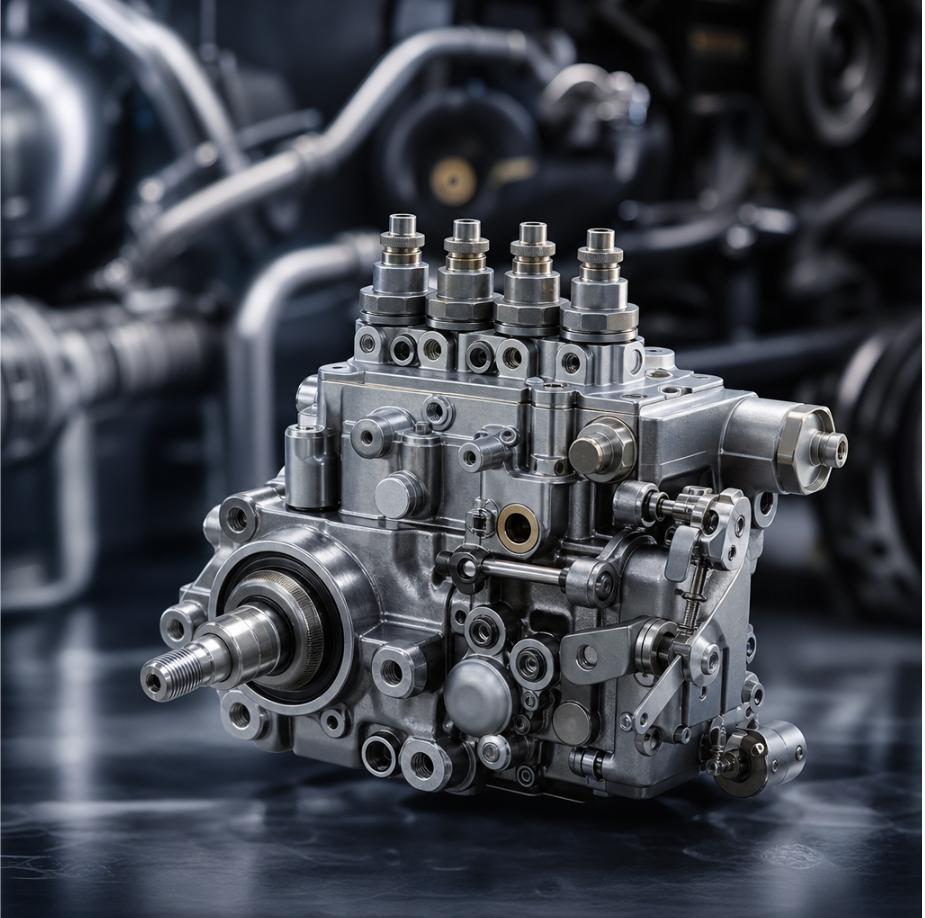
Diesel Fuel Injection Systems: Why Precision Pumps Still Define Engine Performance
In an era where automotive technology is advancing at a breathtaking pace, it is easy to overlook the foundational components that keep diesel engines running at their best. Fuel injection systems, particularly high-precision injection pumps, remain the backbone of diesel performance — whether in commercial trucks, agricultural machinery, marine vessels, or industrial equipment. Understanding how these systems work, why they degrade over time, and how to source quality replacements is essential knowledge for any diesel technician, fleet manager, or serious enthusiast.
The Role of Fuel Injection Pumps in Diesel Engines
A diesel engine operates on the principle of compression ignition — fuel is injected into a highly compressed air charge, causing spontaneous combustion. Unlike gasoline engines that rely on spark plugs, diesel engines depend entirely on the precision and timing of fuel delivery. This is where the injection pump becomes critical. It must deliver exactly the right volume of fuel at exactly the right moment, under extremely high pressure, to each cylinder in sequence.
When an injection pump begins to fail, the symptoms are unmistakable: rough idling, black or white smoke from the exhaust, loss of power, hard starting, and increased fuel consumption. Left unaddressed, a failing pump can cause catastrophic engine damage. This is why proactive maintenance and timely replacement of injection pumps are not optional — they are fundamental to engine longevity and operational efficiency.
Mechanical vs. Electronic Injection Systems
Diesel injection technology has evolved significantly over the decades. Early systems were entirely mechanical, relying on precisely machined components, springs, and cam-driven plungers to meter and deliver fuel. These mechanical systems were remarkably durable and are still found in millions of working vehicles and machines worldwide. Modern systems, by contrast, use electronic control units to manage injection timing and volume with extraordinary precision, enabling better fuel economy and lower emissions.
However, mechanical injection pumps remain highly relevant — particularly in older fleets, off-road equipment, and markets where electronic diagnostics are not readily available. Their simplicity is their strength: they can be rebuilt, recalibrated, and returned to service without sophisticated electronic tools. This is a major reason why demand for quality mechanical injection pump components remains strong globally.
Zexel: A Legacy of Diesel Injection Engineering
Among the most respected names in diesel fuel injection history is Zexel — a Japanese manufacturer whose pumps powered countless commercial and industrial diesel engines across Asia, Europe, and North America. Zexel injection pumps were widely used in Nissan, Isuzu, Mitsubishi, and Hino diesel engines, among others. Their reputation for precision engineering and durability made them a preferred choice for OEM applications and aftermarket replacements alike.
For technicians and fleet operators sourcing replacement units today, quality matters enormously. A substandard pump — whether new or rebuilt — can introduce calibration errors that undermine engine performance and fuel efficiency. This is why sourcing from a reputable supplier is non-negotiable. If you are looking for reliable replacement units, zexel injector pumps from Goldfarb Inc. represent a trusted option, offering both new and professionally rebuilt units backed by decades of industry expertise. Their inventory covers a wide range of applications, ensuring that technicians can find the correct specification pump for the engine at hand.
New vs. Rebuilt Injection Pumps: Making the Right Choice
One of the most common questions diesel technicians face is whether to install a new or rebuilt injection pump. The answer depends on several factors, including the age of the engine, the application, and the budget available. New pumps offer the assurance of factory specifications and full service life, making them ideal for high-demand applications or newer engines still within their productive lifespan.
Rebuilt pumps, when performed by skilled technicians using quality components, can deliver performance that closely matches new units at a significantly lower cost. The key is ensuring that the rebuilder has the proper calibration equipment and genuine replacement parts. A poorly rebuilt pump is worse than a worn original — it introduces new failure points without the benefit of a clean service history. Always verify the credentials and reputation of any supplier offering rebuilt injection pumps before committing to a purchase.
Engine Lubrication and Fuel System Health
Fuel injection system performance does not exist in isolation — it is deeply connected to the overall health of the engine, including its lubrication system. Modern diesel engines operate under extreme thermal and mechanical stress, and the quality of engine oil plays a direct role in protecting precision components. Choosing the right viscosity grade and oil formulation can extend the life of injection-related components by reducing wear on cam lobes, tappets, and other moving parts that interact with the fuel system.
For those interested in how oil selection impacts engine longevity and environmental performance, understanding the benefits of 5W-30 engine oil for eco-conscious vehicles provides valuable insight into how modern lubricant technology supports cleaner, more efficient combustion — a goal shared by advanced fuel injection engineering.
Preventive Maintenance: Extending Injection Pump Life
The single most effective way to extend the life of any diesel injection pump is to use clean, high-quality fuel. Diesel fuel contaminated with water, particulates, or microbial growth is the leading cause of premature injection pump failure. Installing and regularly servicing quality fuel filters, using fuel additives where appropriate, and draining water separators on schedule are basic practices that pay enormous dividends over the life of the equipment.
Beyond fuel quality, regular inspection of injection timing, delivery pressure, and return fuel flow can identify developing problems before they become catastrophic failures. Many experienced diesel technicians recommend bench-testing injection pumps at regular intervals on high-utilization equipment — a practice that catches calibration drift early and allows for correction before engine damage occurs.
The Broader Landscape of Diesel Innovation
While diesel technology continues to evolve, the fundamental principles of precision fuel delivery remain unchanged. Even as manufacturers explore hybrid powertrains and alternative fuels, high-performance diesel engines continue to power the global economy — from long-haul freight to construction, agriculture, and marine transport. The engineering innovations being applied to modern diesel systems are remarkable, and the performance benchmarks being set today will influence the next generation of powerplants.
For those interested in how cutting-edge engine engineering is shaping the future of performance vehicles, this detailed breakdown of the 2027 Chevrolet Corvette Grand Sport’s engine offers a fascinating look at how precision engineering continues to push boundaries across all segments of the automotive world.
About Goldfarb Inc.
Goldfarb Inc. has established itself as a leading supplier of diesel fuel injection components, with a comprehensive inventory that spans new and rebuilt injection pumps, injectors, and related parts. With decades of experience serving diesel technicians, fleet operators, and equipment dealers across North America, Goldfarb Inc. combines deep technical knowledge with a commitment to quality that sets them apart in the aftermarket diesel parts industry. Their team understands the critical nature of fuel injection precision and works to ensure that every component they supply meets the standards that demanding diesel applications require.
Conclusion
Diesel fuel injection pumps are among the most precisely engineered components in any engine system. Their condition directly determines engine performance, fuel efficiency, and operational reliability. Whether you are maintaining a legacy fleet, restoring a piece of vintage equipment, or keeping a modern diesel workhorse running at peak efficiency, understanding the importance of quality injection pump sourcing is essential. Investing in the right components from reputable suppliers is not simply a maintenance decision — it is a long-term commitment to the performance and productivity of every diesel engine under your care.