Culture and Craft: Gifts from Sacred Lands
Objects made in sacred places often carry layers of meaning that mass-produced souvenirs can’t match. A carved olive wood ornament, a hand-painted ceramic bowl, or a small piece of devotional art can reflect local materials, skilled labor, and centuries of cultural expression. When chosen thoughtfully, these gifts connect the recipient with both a living artisan community and the history of a place. Understanding how they’re made and what they represent helps you select pieces with lasting personal value.
The Allure of Artisan Creations
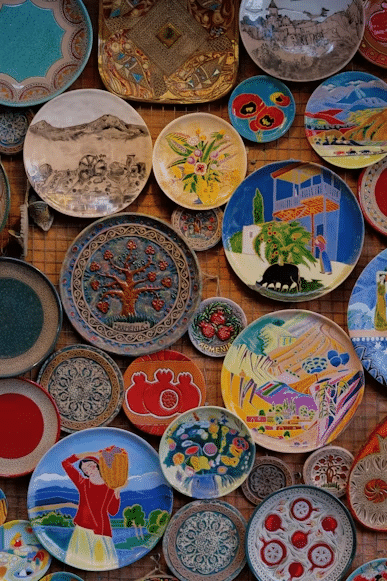
Handcrafted objects reveal small variations that make each piece distinct. You might see the grain of olive wood curve around a carved figure or notice slight differences in the brushwork on two ceramic tiles. These details show the maker’s hand and give the object character.
When shopping, look for a clear description of the material, place of origin, and production method. Collections of Christian Christmas gift ideas can help you compare sacred pieces connected to Christian sites and select something suited to a family member, friend, or member of the clergy. A thoughtful choice should reflect the recipient’s traditions as well as the object’s origin.
Where History Meets Handcraft
Many regional crafts developed because makers worked with materials available nearby. Olive trees supplied durable wood, local clay became pottery, and stone inspired carved keepsakes. Over generations, families refined techniques and passed them from experienced artisans to apprentices.
That continuity gives a contemporary object a visible link to older customs. Educational resources focused on culture and craft can also help families explore how geography, belief, and daily life shape artistic traditions.
Before buying, read the maker’s story when one is available. Specific details, such as the town where a studio operates or the number of years a family has practiced its craft, offer more insight than broad labels like “traditional” or “authentic.”
Symbolism in Cultural Objects
Sacred objects often communicate through familiar materials, colors, and forms. Olive branches may suggest peace and renewal, while stars can recall guidance or the Christmas story. Crosses, nativity scenes and images of historic holy sites carry more specific devotional meanings.
Context matters because symbols can vary across communities. A design that appears decorative to one person may hold deep religious significance for another. Check the item description and ask the seller about unfamiliar imagery before presenting the piece as a gift.
It also helps to consider where the recipient may display it. A small ornament suits a Christmas tree, while framed art or a ceramic plaque may work better in a prayer corner, study, or entryway.
Bringing the Holy Land Home
A cultural gift feels more personal when you explain its background. Include a short handwritten note naming the material, the place associated with it, and the reason you selected it. That context can turn a beautiful object into a family keepsake.
For a polished presentation, use simple wrapping that protects the piece without distracting from it. Acid-free tissue works well for painted surfaces, while a padded box helps secure carvings and ceramics. Keep any certificate or artisan card with the gift.
Ethical sourcing deserves attention too. The United States Tour Operators Association highlights crafts with a cause as examples of purchases that can support local communities. Look for transparent seller information and clear claims about artisan partnerships.
Preserving Ancient Traditions
Craft traditions survive when skilled makers can earn steady income and teach the next generation. A meaningful purchase contributes to that cycle most effectively when the seller can explain who produced the item and where the work took place. Vague origin claims deserve closer scrutiny.
Care also affects preservation after the object reaches your home. Keep olive wood away from radiators and prolonged dampness. Dust carved details with a soft, dry cloth and avoid harsh household cleaners on painted ceramics or metal accents. Store delicate ornaments in separate wrapping so they don’t rub together.
The most memorable sacred gifts retain both their physical beauty and their story. Save the maker’s card, record when the piece was given, and share its origin whenever it passes to another family member.