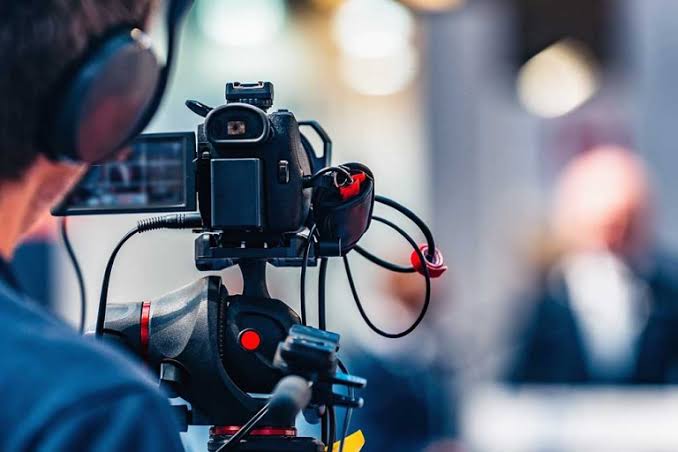
Corporate Video Production Melbourne: How to Help Camera-Shy Executives Deliver Natural Performances
The most common casting problem in corporate video production is not access to talent. It is the reality that the people with the most valuable things to say, the executives, senior leaders, and subject matter experts whose insight would give a video genuine credibility, are often the least comfortable performing in front of a camera. This discomfort produces stiff delivery, unnatural language, and an on-camera presence that undermines the authority and credibility of someone who commands a room without hesitation in any other context.
Understanding why this happens and having practical techniques to address it is one of the less visible skills that distinguishes experienced corporate video producers from those who deliver technically accomplished content that fails to connect.
Why Competent People Perform Poorly on Camera
The performance anxiety that affects even highly competent executives in front of a camera has specific causes that, once understood, point to specific remedies. The camera introduces a self-monitoring loop that does not exist in normal conversation. The subject is simultaneously trying to communicate their message, thinking about how they appear, worrying about whether they are speaking too quickly or too slowly, and aware that what they say is being recorded and will be viewed by others. This simultaneous cognitive load produces the stilted, over-careful delivery that reads as unnatural.
The second factor is the absence of normal conversational feedback. In a genuine conversation, the other person’s reactions, their nods, expressions, and interjections, provide constant calibration signals that help the speaker maintain natural rhythm and energy. On a standard single-camera setup, the subject speaks into a lens that gives no feedback at all. The resulting performance often lacks the energy and spontaneity that the same person brings to a genuine conversation.
The Pre-Shoot Preparation Process
The most effective preparation for a camera-shy executive is a substantive pre-shoot conversation that has nothing to do with the camera. Speaking with the subject for twenty to thirty minutes before rolling about the topics they will address, drawing out their perspective, listening for the language and examples they naturally use, and identifying the specific stories or data points that they find compelling removes the cognitive burden of deciding what to say before the camera is running.
A video production company Brisbane director working with an unfamiliar subject might use this conversation to understand how the person naturally frames their expertise, what they are proud of, what they find most significant about the content they need to communicate. This intelligence informs the approach to the interview and creates the basis for questions that will generate the natural, energised responses that make for compelling content.
On-Set Techniques for Natural Delivery
The physical setup of the interview environment affects performance more than most executives realise. A formal boardroom setup with harsh overhead lighting and a camera on a tripod directly in front of the subject creates an environment that signals formality and performance. A more relaxed setup, appropriate furniture at a comfortable height, softer lighting, the interviewer positioned close to the camera rather than behind it, signals a conversation rather than a recording.
Allowing the subject to move slightly rather than requiring them to remain completely still produces more natural energy in the delivery. A subtle nod, a hand gesture, a slight lean toward the camera when making a point, all of these are normal components of natural conversation that disappear when someone is told to sit still and look at the lens.
For corporate video production melbourne productions where the executive’s on-camera comfort is critical to the quality of the finished piece, running a very brief recording at the start of the session and immediately showing the subject a short playback of how they appear is one of the most effective interventions available. Seeing themselves on screen often releases the self-monitoring anxiety because it replaces a feared imagined image with the actual reality.
Editing as Performance Management
The editing stage provides genuine remediation options for performances that were inconsistent during the shoot. A subject who found their rhythm after the first five minutes can be edited to present their best moments. Answers that were partially good can have the strong section extracted and combined with a cutaway that masks the join.
The more coverage available, meaning the more takes and angles captured during the shoot, the more options the editor has to assemble a performance that does not exist in any single unbroken take. Experienced corporate directors shoot with this editorial assembly in mind, capturing multiple versions and angles of key content precisely to create the raw material for a polished performance in post.