Concrete vs Asphalt Driveways: Maintenance, Cost & Lifespan
Your driveway is much more than just a place to park your car. It serves as the welcoming path to your home, contributes significantly to your property’s curb appeal, and endures thousands of pounds of vehicle weight every single day. Because this surface handles so much daily wear and tear, selecting the right paving material is a crucial decision for any homeowner.
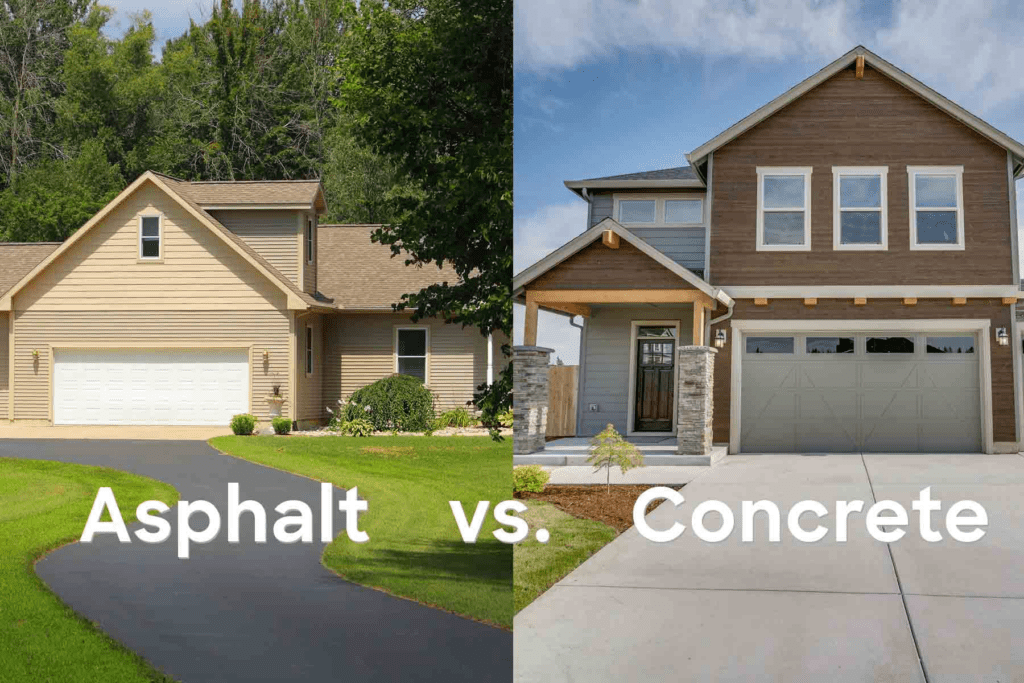
The two most popular paving choices on the market today are concrete and asphalt. Both materials offer distinct benefits and specific drawbacks. You might prefer the sleek, dark finish of fresh asphalt, or you might lean toward the bright, clean look of poured concrete. However, making the right choice goes far beyond simple aesthetics.
To choose the perfect material for your property, you need to weigh several practical factors. Your local climate, available budget, and willingness to perform regular maintenance will all play a massive role in how well your driveway holds up over the years. This comprehensive guide breaks down the critical differences between concrete and asphalt, giving you the insights you need to pave your property with confidence.
Upfront Installation Costs
When starting a new home improvement project, the initial price tag is usually the first thing homeowners look at. If you are working with a tight budget, asphalt is generally the more affordable option right out of the gate. On average, asphalt installation costs about half as much per square foot as a poured concrete driveway.
Concrete requires more intensive labor and expensive materials during the installation phase. Installers must carefully lay out a strong gravel base, build wooden forms, and place steel reinforcements before pouring the concrete mixture. Asphalt is a petroleum-based product that is heated, poured, and then flattened with a heavy roller, which takes less time and less manual labor.
However, looking only at the initial installation cost can be highly deceptive. Knowing exactly what a full replacement involves will help you secure a gorgeous, long-lasting surface that boosts your property’s curb appeal while keeping your home improvement budget completely under control over the next few decades.
Long-Term Maintenance Requirements
The true cost of a driveway becomes apparent when you factor in routine maintenance. Asphalt and concrete behave very differently as they age, requiring completely different upkeep strategies.
Caring for Asphalt
Asphalt is a softer, more flexible material. Because it is petroleum-based, it is highly susceptible to the elements. UV rays from the sun cause the oils in the asphalt to oxidize, turning the surface from a rich black to a faded gray. To keep an asphalt driveway protected and looking fresh, you must apply a sealcoat within the first year of installation, and then reapply it every three to five years.
Additionally, you need to fill small cracks quickly. Water can seep into these fissures, freeze during cold weather, and expand to create massive potholes. If you ignore these maintenance tasks, your asphalt driveway will deteriorate rapidly.
Caring for Concrete
Concrete is incredibly rigid and durable, meaning it demands far less maintenance over its lifetime. You do not need to seal a concrete driveway as often as an asphalt one, though applying a clear sealant every few years can protect it from moisture penetration and chemical stains.
The biggest maintenance issue with concrete is cracking. Because the material does not flex, shifts in the ground or extreme temperature fluctuations can cause the slab to crack. Your installer will include control joints to guide where these cracks happen, but you still need to monitor the surface. Cleaning oil drips and sweeping away debris is usually all that is required to keep a concrete driveway looking pristine on a month-to-month basis.
Lifespan and Durability
If you want a “set it and forget it” solution that lasts for generations, there is a clear winner between the two materials.
With diligent maintenance and regular seal coating, a standard asphalt driveway will last anywhere from 15 to 20 years. Once the material reaches the end of its lifespan, it becomes too brittle to repair. At that point, you will need to tear up the old asphalt and completely repave the area.
Concrete driveways boast a significantly longer lifespan. When properly installed and maintained, a high-quality concrete driveway can easily last 30 to 40 years, and sometimes even up to 50 years. While you pay more for concrete upfront, its impressive longevity means you are much less likely to pay for a full replacement during your time in the home.
How Climate Impacts Your Driveway
Your local weather patterns heavily influence how your paving materials will perform. You must consider extreme temperatures and precipitation before scheduling a pour.
Asphalt tends to perform better in extremely cold environments. The dark color absorbs heat from the sun, which helps melt snow and ice faster. Furthermore, the flexible nature of asphalt allows it to handle the freezing and thawing cycles of winter ground shifts with fewer structural issues. Conversely, during intensely hot summers, asphalt can become soft and sticky. Heavy vehicles parked in the same spot can actually leave permanent tire indentations in the softened material.
Concrete is widely favored in warmer climates. The light-colored surface reflects the sun’s rays, keeping the driveway relatively cool to the touch. It will never soften or melt under the blazing summer heat. However, in regions with severe winters, concrete can struggle. Road salt used to melt ice can eat away at the concrete surface, causing pitting and scaling.
Customization and Aesthetic Appeal
Standard black asphalt offers a clean, uniform look that complements many home styles. Unfortunately, it offers virtually no customization. Aside from some minor stamped edge details, asphalt will always look like asphalt.
Concrete provides endless design possibilities. Contractors can tint the concrete mixture to almost any color you desire. They can also use specialized stamping tools to make the poured concrete mimic the texture and appearance of natural stone, brick, slate, or even wood planks. If you want a truly unique driveway that matches your home’s exterior architecture perfectly, concrete is unmatched in its versatility.
Planning Your Next Driveway Project
Ultimately, the choice between these two materials comes down to your priorities. If you need a low-cost installation right now and don’t mind performing regular maintenance, asphalt is a viable choice. If you want a highly durable, customizable surface that will last for decades with minimal upkeep, concrete is the superior investment.
When you are ready to upgrade your property, working with experienced professionals ensures your new driveway is poured correctly the very first time. A skilled contractor understands the subtle details that make a massive difference in paving durability. By evaluating your property’s specific soil conditions and your personal design preferences, they can deliver a driveway that looks incredible and stands the test of time.