Common Hazards That Lead to Slip and Fall Accidents
Most slip and fall accidents happen because simple hazards are ignored, such as wet floors, cracked sidewalks, uneven surfaces, or poor lighting. What seems like a minor problem can quickly cause broken bones, head injuries, back injuries, or other serious harm.
Las Vegas, located in southern Nevada, is home to the famous Las Vegas Strip, busy casinos, hotels, shopping centers, convention centers, and entertainment venues. Millions of visitors and thousands of local workers move through these properties every year. With so much daily foot traffic, property owners have a responsibility to inspect their premises, fix hazards, and keep walkways reasonably safe.
Here are the most common hazards behind slip and fall accidents, as explained by a Las Vegas premises liability attorney, and why each one can become the basis of a premises liability claim.
5 Hazards That Lead to Slip and Fall Accidents
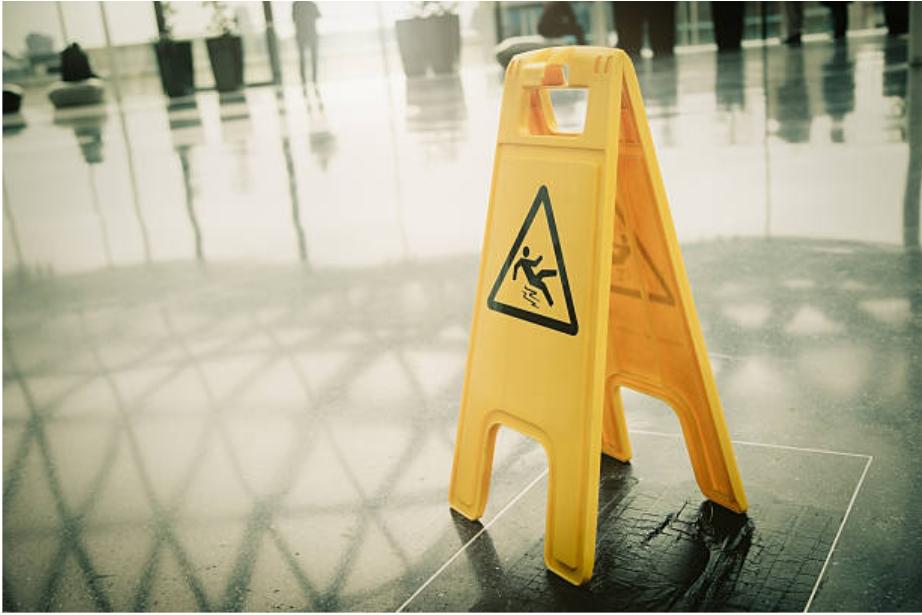
1. Wet or Slippery Floors
A wet floor doesn’t stay harmless for long. Someone spills a drink, a pipe leaks overnight, or rain gets tracked through the front door. Before anyone notices, the surface becomes slippery enough for someone to lose their footing.
The Occupational Safety and Health Administration (OSHA) requires employers to keep walking-working surfaces clean, dry, and in safe condition under 29 C.F.R. § 1910.22. While this rule applies to workplaces, it reflects a widely accepted safety standard for preventing falls.
Common examples include:
- Grocery store spills
- Recently cleaned tile floors
- Pool decks
- Restaurant entryways during bad weather
2. Uneven Sidewalks and Walkways
Cracked sidewalks, loose pavement, potholes, and raised concrete create tripping hazards. Even a small height difference can catch your foot and cause a fall.
Property owners should inspect outdoor walkways and repair hazards within a reasonable time. In Nevada, negligence claims generally require showing that the owner knew, or should have known, about the dangerous condition and failed to address it under Nevada Revised Statutes § 41.130.
3. Poor Lighting
You can’t avoid a hazard you can’t see. Dim lighting hides cracked steps, uneven flooring, and objects left in walkways. That’s why stairwells, parking garages, and apartment hallways often become problem areas when lights aren’t properly maintained.
Areas where poor lighting often causes falls include:
- Parking garages
- Stairwells
- Apartment hallways
- Hotel entrances
According to the Centers for Disease Control and Prevention, falls remain the leading cause of injury-related deaths among adults ages 65 and older, making good visibility an important part of injury prevention.
4. Damaged Flooring and Loose Carpets
Worn carpet, loose mats, cracked tiles, and warped wood floors can all catch you off guard. One step feels normal; the next one does not.
Watch for things like:
- Torn carpet edges
- Rugs that curl at the corners
- Loose floorboards
- Cracked or missing tiles
5. Unsafe Stairs and Missing Handrails
Stairs deserve more attention than most people give them. A small mistake on a stairwell can turn into a serious fall fast.
Common stair hazards include:
- Broken steps
- Loose handrails
- Uneven stair heights
- Worn edges on each step
Key Takeaways
- A slip and fall usually starts with something simple—a wet floor, a cracked sidewalk, a loose rug, poor lighting, or a broken step that someone failed to deal with.
- Many of these problems don’t appear overnight. They build up over time, which makes routine inspections and timely repairs an important part of keeping people safe.
- Workplace safety rules under 29 C.F.R. § 1910.22 also stress the importance of keeping walking surfaces clean, orderly, and free of slip and trip hazards.
- Falls continue to be one of the most common causes of injury in the United States, making simple maintenance and hazard prevention more important than many people realize.
- Knowing what causes slip and fall accidents can help you spot risks early and better understand when an injury may involve a property owner’s negligence.