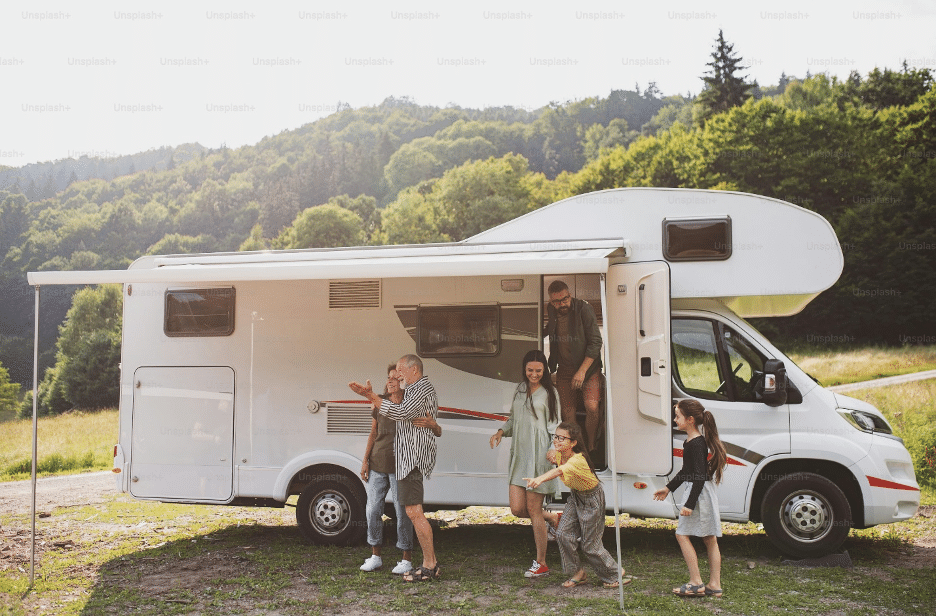
Can You Be Fined for Using a Camper as a Permanent Home in Tucson?
Yes. Tucson can fine you for using a camper as a permanent home if the arrangement violates local zoning, parking, sanitation, or property-maintenance rules. Owning the land does not automatically mean you can use it for full-time RV living.
Tucson is the second-largest city in Arizona. The city uses a Unified Development Code to regulate land use and zoning. These rules help determine where recreational vehicles can be parked and whether a property can legally accommodate someone living in a camper.
Before setting up a camper in your backyard, it is important to understand the local restrictions. Getting answers to the question “Can I park my RV in my backyard?” can help Tucson homeowners understand the rules that may apply to their property.
When Can a Camper Violate City Rules?
Problems can arise when you live in an RV on a residential lot where that use is not permitted. Other potential violations include:
- Keeping a camper in a restricted yard or on a street for extended periods.
- Connecting water, electricity, or sewer without required approval.
- Discharging wastewater improperly.
- Maintaining an unsafe or unsanitary property.
- Storing an inoperable camper where local rules prohibit it.
Where Is Permanent RV Living Allowed?
Tucson’s Unified Development Code includes a Recreational Vehicle Zone intended for RV-related uses. However, that designation does not automatically make every camper suitable as a permanent home.
An approved RV park or appropriately zoned property may allow longer stays subject to specific conditions. Some rules also provide limited exceptions for fully licensed, road-ready recreational vehicles kept on a site for fewer than 180 days. This exception does not automatically authorize permanent residence.
Fines You Could Face
Tucson City Code § 8-6.1 establishes penalties for civil violations and infractions. Depending on the violation and its history, the fine may range from $100 to $2,500 for a first offense, $200 to $2,500 for a second offense, and $300 to $2,500 for a third or subsequent offense.
If you ignore an abatement order, additional fines of $100 to $2,500 per day may apply while the noncompliance continues. The actual penalty depends on the circumstances, the applicable provision, and the court’s determination.
How Does Code Enforcement Work?
A complaint may prompt the city’s Planning and Development Services Department to investigate the property. If an officer identifies a violation, the city may issue a notice explaining the problem and requiring corrective action.
The process can involve:
- A complaint or report about the property.
- An inspection by a code-enforcement officer.
- Identification of the applicable rule.
- A notice and compliance deadline.
- A civil citation if the problem continues.
- A possible fine or order to correct the violation.
Under Article 10 of Tucson’s Unified Development Code, enforcement procedures and penalties apply to relevant code violations. Continued noncompliance can lead to additional enforcement.
Steps to Take After a Violation Notice
Do not ignore it. Read the notice carefully, identify the rule cited, and note the compliance deadline. Contact Tucson’s code-enforcement or planning department to clarify what must change.
Depending on the circumstances, you may need to relocate the camper, correct a sanitation problem, obtain an available approval, or stop using the vehicle as a dwelling. Ask about the available review process if you believe the notice is incorrect.
Key Points to Remember
- Tucson can fine people for unauthorized permanent camper living.
- Private property ownership does not override zoning rules.
- Approved RV locations may permit longer stays.
- Improper utilities and wastewater disposal can trigger enforcement.
- Civil fines can reach $2,500 per violation.
- Ignoring an abatement order can result in daily fines.
- Check zoning and permits before moving into a camper.