Build a More Durable Exterior With Professional Metal Roofing Installation
A roofing system does much more than complete the appearance of a property. It creates a protective barrier between the structure and outdoor conditions such as rain, wind, sunlight, temperature fluctuations, and seasonal weather. Because the roof is continuously exposed to these elements, material selection and installation quality can have a major effect on long-term performance. Metal roofing has become an increasingly attractive option for property owners who want a durable, versatile, and visually appealing roofing system. Available in a range of profiles, finishes, and colors, metal roofing can complement many architectural styles while providing a strong exterior layer. However, the benefits of metal roofing depend greatly on proper preparation, accurate measurements, correct fastening, effective flashing, appropriate ventilation, and professional workmanship.
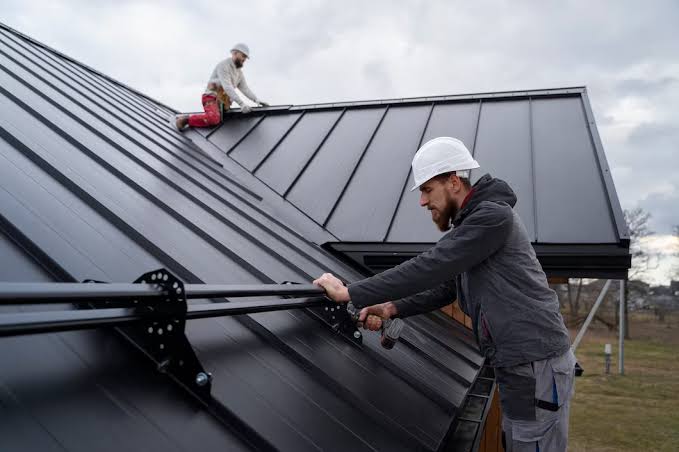
Professional metal roofing installation requires careful planning from the initial roof inspection through the final finishing details. Unlike simply placing sheets of metal over a roof, a complete installation involves evaluating the existing structure, preparing the roof deck, selecting suitable underlayment, installing edge details, managing penetrations, and securing panels according to the manufacturer’s requirements. Every part of the system must work together to help manage moisture, accommodate normal expansion and contraction, and provide dependable protection. A carefully installed metal roof can become a long-term investment that enhances both the function and appearance of a property.
Understanding Metal Roofing Systems
Metal roofing is available in several configurations, including standing seam panels, exposed-fastener systems, metal shingles, and other specialized profiles. Each system has different installation requirements and design characteristics. Standing seam roofing, for example, uses concealed or protected fastening approaches and raised seams that create a clean, modern appearance. Other metal systems may be designed to resemble traditional shingles, tile, or other roofing materials while providing the characteristics associated with metal.The choice of metal roofing should be based on the structure, roof design, desired appearance, budget, maintenance expectations, and long-term performance goals. Different metals and coatings can provide different levels of durability and visual appeal. A professional roofing contractor can help homeowners understand the available options and determine which system is most appropriate for the property.
Inspecting the Existing Roof
Before beginning a roofing project, a detailed inspection should be performed to understand the condition of the existing roofing system. Contractors should evaluate the roof surface, decking, flashing, valleys, edges, penetrations, ventilation, and other components that may affect the new installation.Visible signs of deterioration can include cracked or missing materials, rust, leaks, damaged flashing, sagging areas, or repeated repair locations. However, some problems may not become apparent until existing roofing materials are removed. Identifying these conditions early can help homeowners understand the actual scope of the project.A complete inspection also helps determine whether the roof structure is appropriate for the selected metal system. The contractor can evaluate the existing conditions and address concerns before the new roofing materials are installed.
Preparing the Roof Deck
The roof deck provides the foundation for the roofing system, making its condition extremely important. Weak, damaged, or moisture-affected decking may need to be repaired or replaced before metal panels are installed.A properly prepared deck helps provide a stable surface and can reduce irregularities beneath the finished roof. Contractors should also check for protruding fasteners, uneven sections, and other conditions that could interfere with underlayment or panel installation.Preparing the deck correctly is an important investment in the long-term performance of the roof. Installing high-quality metal panels over an unsuitable foundation can compromise the result, so preparation should never be treated as an unnecessary step.
Choosing the Appropriate Underlayment
Underlayment provides an additional layer of protection beneath the metal roofing. Although metal panels form the primary exterior surface, underlayment can help protect the roof deck from moisture and provide additional support for the overall roofing assembly.The appropriate underlayment depends on the metal roofing system, roof design, manufacturer requirements, and other project considerations. It should be installed carefully so that overlaps and transitions provide appropriate moisture management.Special attention may be required around roof edges, valleys, penetrations, and areas where the roof connects with walls or other structures. Proper integration of underlayment with flashing and metal panels can help create a more complete protective system.
Importance of Proper Flashing
Flashing is essential around locations where the roof intersects with other building components. Chimneys, vents, skylights, walls, valleys, and roof edges all require careful water-management details.Metal roofing can provide excellent surface protection, but water can still enter through poorly detailed transitions. Flashing helps direct water away from vulnerable openings and toward appropriate drainage paths.During installation, existing flashing should be inspected and replaced when necessary. New flashing should be compatible with the selected metal roofing system and installed according to appropriate practices. Careful flashing work can help reduce the possibility of leaks and protect surrounding structural materials.
Accurate Measurements and Panel Layout
Accurate measurements are essential for metal roofing because panels need to be fabricated or cut to appropriate dimensions. Errors in measurement can lead to unnecessary seams, poor alignment, excessive material waste, or installation difficulties.Before panels are installed, contractors should plan the layout carefully. Panel positioning should account for roof dimensions, penetrations, valleys, ridges, edges, and other architectural features.A well-planned layout can improve both appearance and efficiency. Consistent panel alignment creates clean visual lines while reducing unnecessary cutting and adjustments during installation.
Proper Metal Panel Fastening
Fastening is one of the most important aspects of metal roof installation. The type, placement, spacing, and installation of fasteners depend on the roofing system. Incorrect fastening can create movement, water-entry points, or other performance problems.Fasteners should be installed according to the manufacturer’s specifications. They need to be properly seated without being excessively tightened or left loose. Over-tightening can damage materials, while insufficient fastening may reduce stability.For systems using exposed fasteners, the condition of fastener heads and washers should also be monitored over time. Proper installation and periodic inspection can help identify potential issues before they become more serious.
Managing Roof Expansion and Contraction
Metal responds to changes in temperature by expanding and contracting. This natural movement needs to be considered during installation so that panels and connections can accommodate normal thermal changes.The installation method should allow the roofing system to move appropriately without creating excessive stress at seams, fasteners, or transitions. Different metal roofing systems use different methods for managing this movement.Professional installation is particularly valuable because experienced contractors understand how the selected system is designed to handle thermal movement. Following manufacturer requirements can help protect the roof from unnecessary stress.
Protecting Roof Edges and Eaves
The perimeter of the roof requires careful detailing because edges and eaves are exposed to wind and water. Metal roofing systems typically include edge components designed to create a clean transition while helping direct water away from vulnerable materials.These components should be installed correctly and integrated with the underlayment and metal panels. Poorly finished edges can create opportunities for water intrusion or wind-related movement.The roof perimeter should also be inspected periodically after installation. Damage or loose components should be addressed promptly to help maintain the integrity of the system.
Handling Roof Penetrations
Vents, pipes, chimneys, skylights, and other penetrations create openings through the roofing surface. Each penetration needs to be properly sealed and flashed to prevent water from entering around the opening.Metal roofing requires careful cutting and fitting around these features. Flashing components should be compatible with the roofing material and installed in a way that supports water drainage.Penetrations should receive particular attention during inspections because sealants and flashing can deteriorate over time. Early detection of problems can help reduce the possibility of interior water damage.
Metal Roofing and Weather Protection
One of the primary reasons homeowners consider metal roofing is its ability to provide durable exterior protection. Metal roofing systems are designed to withstand normal outdoor exposure and can offer strong resistance to many common weather conditions when properly installed.Wind, rain, sunlight, and temperature fluctuations can still affect any roof. Severe storms may cause damage through falling debris, extreme winds, or other events. Regular inspections can help identify damaged panels, loose components, or compromised flashing.A strong roofing system is not defined solely by the material. Proper installation, secure fastening, effective flashing, appropriate drainage, and regular maintenance all contribute to weather performance.
Selecting the Right Metal Finish
Metal roofing is available in many colors and finishes, allowing homeowners to coordinate the roof with other exterior components. The selected finish can influence the property’s overall appearance and may affect long-term maintenance considerations.Homeowners should consider the siding, windows, doors, trim, and architectural style when selecting a metal roof color. A coordinated design can create a balanced exterior and improve curb appeal.The finish should also be appropriate for the intended environment and roofing system. Professional guidance can help property owners understand the available coating and finish options before making a final decision.
Energy Considerations With Metal Roofing
Roofing materials can influence how much solar heat is absorbed by the building envelope. Certain metal roofing systems are available with finishes designed to reflect more sunlight, potentially supporting the overall energy performance of the property.However, roof material is only one factor affecting indoor comfort and energy use. Attic insulation, ventilation, windows, doors, siding, and HVAC systems all contribute to the building’s overall performance.When installing a new metal roof, homeowners may want to evaluate attic insulation and ventilation at the same time. Addressing related components can help maximize the benefits of the roofing upgrade.
Metal Roofing and Exterior Appearance
A new roof can significantly change the appearance of a property. Metal roofing provides opportunities to create either a modern, streamlined look or a more traditional appearance depending on the selected profile and finish.Standing seam panels can create strong horizontal or vertical visual lines, while metal shingles can replicate the appearance of other roofing materials. These options allow homeowners to select a system that complements the existing architecture.Exterior appearance is especially important when roofing is being replaced as part of a larger renovation. Coordinating the roof with siding, windows, doors, and trim can create a more cohesive result.
Coordinating Roofing With Siding
Roofing and siding are closely connected at several areas of the exterior. Roof-to-wall transitions, dormers, gable ends, and other intersections require appropriate flashing and water-management details.If siding is also being replaced, coordinating the two projects can provide an opportunity to improve these transitions. New flashing and siding can be installed with greater attention to how water moves across the exterior.Even when existing siding remains in place, the contractor should inspect areas surrounding the roof. Damaged or deteriorated siding can affect the appearance and moisture protection of the finished project.
Gutters and Metal Roofing
Gutters help collect and redirect rainwater from the roof toward downspouts and away from the property. Proper drainage is an important part of maintaining any roofing system.During a metal roofing project, gutters should be inspected for damage, blockages, improper positioning, and other drainage concerns. If the existing gutter system is deteriorated, replacing it may help complement the new roof.After installation, homeowners should keep gutters and downspouts clear. Proper drainage can help reduce water exposure around roof edges, siding, exterior walls, and foundations.
Metal Roofing Versus Traditional Roofing Materials
Homeowners often compare metal roofing with asphalt shingles and other conventional roofing options. Each material has its own characteristics, including installation requirements, appearance, maintenance considerations, durability, and cost.Metal roofing may appeal to property owners seeking a long-term roofing system with a distinctive appearance and strong exterior performance. Asphalt shingles may appeal to those seeking a familiar material with numerous styles and a broad range of price points.The best choice depends on the property and the homeowner’s goals. Rather than selecting a material based only on initial cost, homeowners should consider expected service life, maintenance, installation requirements, appearance, and long-term value.
Repairing Existing Metal Roofing
Not every issue with a metal roof requires complete replacement. Localized problems such as damaged panels, loose fasteners, deteriorated flashing, or failed sealants may The appropriate repair depends on the type of roofing system and the extent of the damage. A professional inspection can help determine whether the problem is isolated or part of a broader issue.Timely repairs can help protect surrounding materials and reduce the likelihood of moisture entering beneath the roofing system. Delaying repairs can allow small openings to become more significant problems.
When Metal Roof Replacement Makes Sense
A metal roof can eventually require replacement if it has sustained extensive damage, experienced widespread corrosion, or reached the end of its useful service life. Repeated repairs may also indicate that a more comprehensive solution is needed.Before deciding on replacement, homeowners should have the existing system evaluated. A professional can assess the condition of the panels, fasteners, flashing, underlayment, and supporting structure.If replacement is recommended, homeowners can use the opportunity to improve ventilation, drainage, flashing, and other components rather than simply reproducing the existing system.
Benefits of Professional Installation
Professional installation can make a significant difference in the performance of a metal roofing system. Experienced roofing contractors understand the importance of accurate measurements, proper panel layout, fastening, flashing, underlayment, edge details, and thermal movement.Professional installers can also recognize problems that may not be obvious to homeowners. Hidden deck damage, inadequate ventilation, or deteriorated flashing can be addressed before the new panels are installed.Quality workmanship can also improve the appearance of the finished roof. Properly aligned panels, clean edges, carefully completed penetrations, and consistent seams can create a polished and professional result.
Maintaining a Metal Roofing System
Although metal roofing can be relatively low maintenance, regular inspections are still important. Homeowners should periodically check for damaged panels, loose fasteners, deteriorated flashing, blocked drainage areas, or other visible concerns.Debris should be removed when necessary, especially if leaves or branches accumulate around roof valleys or drainage points. Gutters should also be kept clear so rainwater can move away from the roof efficiently.After severe weather, an additional inspection may be worthwhile. Early identification of damage can help prevent small issues from developing into larger repairs.
Preparing for a Metal Roofing Project
Proper preparation can make the roofing process more efficient and help homeowners understand what to expect. Before installation begins, homeowners should discuss the selected metal system, finish, underlayment, flashing, ventilation, roof deck repairs, removal of existing materials, and cleanup procedures.It is also useful to discuss the possibility of hidden damage. Once the old roofing is removed, contractors may discover conditions that could not be fully evaluated beforehand. Establishing a process for handling these situations can help prevent confusion during the project.Nearby exterior features should also be protected. Windows, siding, landscaping, outdoor equipment, and other property features may need attention during material removal and installation.
Long-Term Value of Metal Roofing
A properly installed metal roof can provide long-term value by combining durable exterior protection with a distinctive appearance. The system can also complement other improvements and provide a strong foundation for ongoing property maintenance.Long-term performance depends on several factors, including metal quality, finish, installation workmanship, roof design, weather exposure, drainage, ventilation, and maintenance. A high-quality material installed incorrectly may not perform as expected, while careful installation can help maximize the potential of the selected system.Homeowners should therefore view roofing as a complete system rather than simply a collection of metal panels. Every layer and transition contributes to the final performance.
Choosing an Experienced Roofing Contractor
Selecting the right contractor is an important part of any roofing project. Homeowners should look for professionals who understand metal roofing systems and can explain the proposed installation process clearly.A qualified contractor should be able to discuss the condition of the existing roof, recommended materials, installation methods, flashing, ventilation, underlayment, drainage, and maintenance requirements. Clear communication can help homeowners understand what they are investing in and why each component is necessary.Taking time to evaluate workmanship and project planning can help homeowners avoid problems associated with rushed or incomplete installation. A properly organized project can provide better results and greater confidence in the finished roofing system.
Conclusion
Metal roofing can provide a durable and attractive solution for homeowners seeking long-term protection and a distinctive exterior appearance. However, the success of the roofing system depends on much more than the quality of the metal panels. Proper inspection, roof deck preparation, underlayment, flashing, accurate measurements, fastening, panel layout, ventilation, drainage, and attention to thermal movement are all essential parts of a successful project.Professional metal roofing installation can help ensure that these details are handled correctly from the beginning. A properly installed system can provide dependable protection against everyday weather exposure while enhancing the property’s exterior appearance and supporting long-term maintenance goals.Homeowners should also consider the relationship between the roof and other exterior components, including siding, gutters, windows, trim, and attic ventilation. Coordinating these systems can help create a stronger and more cohesive building envelope while reducing the possibility of moisture-related problems.With suitable materials, careful planning, professional workmanship, and regular maintenance, metal roofing can become a valuable long-term investment. Choosing the right roofing system and ensuring that it is installed correctly can help protect the property, improve curb appeal, and provide dependable performance for many years.