Beyond the Hot Flash: Finding Effective Treatment for Menopause Symptoms When Standard Care Falls Short
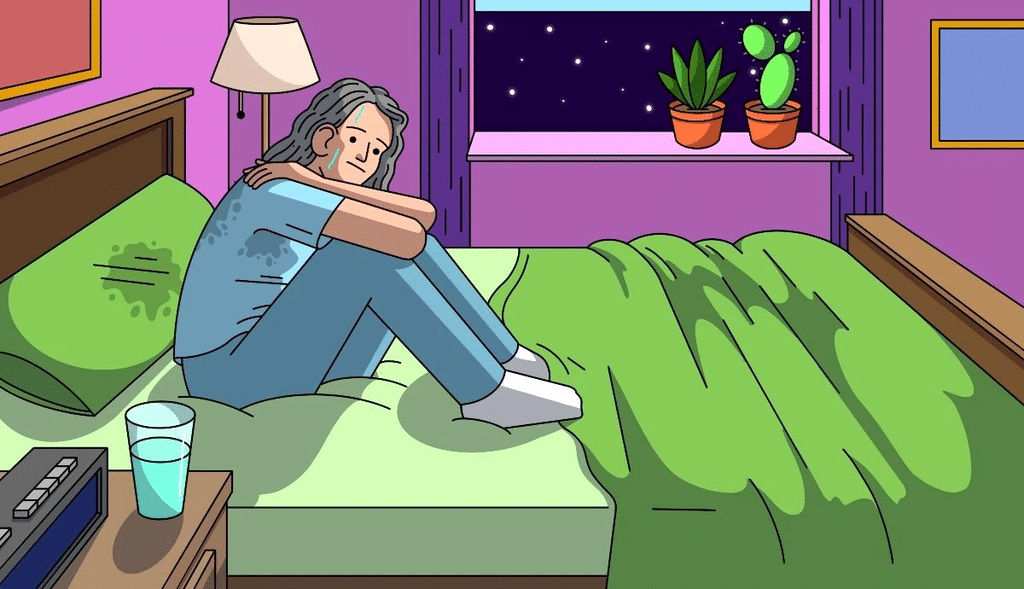
Countless women sit in doctor’s offices every day, describing debilitating brain fog, sleepless nights, and sudden mood shifts, only to be told these issues are “just a normal part of aging” or “all in your head.” If you have experienced this, you know exactly how frustrating it is to have your very real physical symptoms dismissed. You are not simply getting older, and your symptoms are not psychological.
When standard treatments fail, finding relief requires an integrated, individualized toolkit rather than a basic “wait it out” approach. Treating this transition effectively means looking past generalized advice and addressing your unique biology.
If you’ve been told that your symptoms are just a normal part of aging or “all in your head,” it’s time to seek a second opinion. Finding effective relief requires a comprehensive diagnostic approach which uncovers the root cause of your specific hormonal shifts.
Key Takeaways
- Varied needs: Standard menopause care often fails because symptoms, timelines, and hormonal needs vary wildly from person to person.
- Root-cause testing: Comprehensive root-cause diagnostics matter more than single, fluctuating hormone tests for creating an effective treatment plan.
- Multimodal approach: Effective treatment for menopause symptoms requires a mix of tailored hormone therapies, targeted non-hormonal medications, and clinical lifestyle interventions.
- GSM relief: Genitourinary symptoms like painful sex and vaginal dryness are highly treatable and should never be ignored.
Why Standard Treatment Fails Women
The biggest problem with the standard medical approach to menopause is that it treats the transition as a single, identical event for everyone. In reality, menopause is a highly individualized transition. You might experience severe joint pain and insomnia, while your friend deals primarily with hot flashes and weight gain. Prescribing the exact same basic treatment for both scenarios rarely works.
A major reason standard care falls short is a widespread misunderstanding of the symptom timeline. Early perimenopause requires a completely different medical approach than late perimenopause or postmenopause.
| Transition Stage | Primary Hormonal Shift | Common Symptoms | Clinical Focus |
| Early Perimenopause | Drops and fluctuations in Progesterone | Sleep disruption, anxiety, heavy periods, mood changes | Stabilizing mood, improving sleep, regulating cycles |
| Late Perimenopause & Menopause | Severe decline in Estrogen | Hot flashes, brain fog, vaginal dryness, painful sex | Replenishing estrogen, protecting bone and heart health, restoring vaginal tissue |
Diagnostic failure also plays a huge role in why women suffer without answers. Many general practitioners rely on a single blood test, like Follicle-Stimulating Hormone (FSH) or Anti-Mullerian Hormone (AMH), to determine if you are in menopause. However, your hormones fluctuate wildly from day to day and even hour to hour during perimenopause. A single blood draw is just a snapshot, often missing the broader context of your hormonal health.
Instead of chasing a fluctuating number on a basic lab test, a specialist will conduct a comprehensive diagnostic workup. This evaluates your full hormonal and neurological picture, taking your daily lived experience into account. Let this serve as reassurance: your physical symptoms are entirely real and neurologically based. They are a direct result of hormone receptors in your brain and body reacting to chemical changes, not a psychological failing.
Building an Individualized Toolkit for Symptom Relief
When a simple prescription isn’t enough, you need an individualized toolkit. Modern medicine offers a range of scientifically backed methods to treat complex menopause symptoms. The right approach combines treatments that target your specific combination of issues.
Rethinking Hormone Replacement Therapy (HRT)
For years, a heavy stigma surrounded Hormone Replacement Therapy, leaving millions of women fearful of a highly effective treatment. Today, major medical organizations, including The Menopause Society, agree that when initiated within the standard clinical window (typically within 10 years of menopause onset), HRT is safe and highly effective for most women. It addresses the root cause of symptoms by replacing the hormones your body has stopped producing.
It helps to understand the difference between whole-body and targeted therapies. Systemic HRT, usually delivered via patches, pills, or creams, circulates throughout your entire bloodstream. This approach is highly effective for stopping hot flashes, stabilizing mood, and clearing brain fog. Conversely, targeted local therapies, like vaginal estrogen, stay localized in specific tissues to treat localized problems.
Proper prescribing must be stage-specific. A specialized provider will adjust your estrogen and progesterone ratios as you move from early perimenopause into postmenopause. This dynamic approach ensures your treatment evolves exactly as your body does, keeping side effects low and symptom relief high.
Going Beyond Hot Flashes: Treating GSM and Sexual Dysfunction
While hot flashes get the most attention, sexual health and genitourinary symptoms are frequently overlooked by general practitioners. Genitourinary Syndrome of Menopause (GSM) is the medical term for the changes that occur in the vagina and urinary tract due to estrogen loss. Without adequate estrogen, vaginal tissue becomes thin, dry, and easily inflamed, leading to chronic discomfort and painful sex.
Many women are surprised to learn that systemic HRT does not always resolve these local vaginal symptoms. You can be on a systemic estrogen patch and still experience severe vaginal dryness. This necessitates targeted, localized treatments designed specifically for pelvic health.
Advanced in-office technologies offer highly effective relief without relying solely on systemic hormones. Fractional CO2 lasers, such as the MonaLisa Touch, help stimulate new collagen production and restore vaginal tissue health safely and quickly. Alongside these procedures, specific prescription options like Osphena (an oral medication that acts like estrogen on vaginal tissues) can successfully treat low libido, painful intercourse, and orgasmic dysfunction.
New Non-Hormonal Medical Treatments
Hormone therapy is not the right fit for everyone. Whether due to a history of hormone-receptor-positive breast cancer, specific health risks, or simply a personal preference, many women seek alternatives. Fortunately, non-hormonal medical treatments have advanced significantly in recent years.
The newest options include FDA-approved non-hormonal medications specifically engineered to target the brain’s temperature regulation center. Drugs known as neurokinin 3 (NK3) receptor antagonists, such as Veozah (fezolinetant), block the specific neural pathways that trigger vasomotor symptoms. These medications successfully stop hot flashes and night sweats without introducing any hormones into the body.
Additionally, certain medications traditionally used for other conditions can be prescribed off-label for menopause management. Selective Serotonin Reuptake Inhibitors (SSRIs) and Serotonin-Norepinephrine Reuptake Inhibitors (SNRIs) can effectively manage mood changes and reduce the severity of hot flashes for many women.
Finding long-term, safe solutions is incredibly important because these changes do not always pass quickly. Research shows that more than a third of women experience disruptive menopausal symptoms that can persist for more than a decade. Having robust non-hormonal options ensures no one has to suffer through ten years of sleep deprivation and discomfort simply because they cannot take estrogen.
Evidence-Based Lifestyle and Mind-Body Interventions
When medical treatments are combined with targeted lifestyle adjustments, symptom relief improves dramatically. It is important to separate evidence-based clinical interventions from simple, unproven “wellness trends.” Certain mind-body techniques have concrete medical backing for their efficacy in managing menopausal symptoms.
For example, clinical guidelines demonstrate that cognitive behavioral therapy (CBT) and clinical hypnosis can effectively help treat hot flashes and night sweats. These therapies do not change your hormone levels, but they actively retrain how your central nervous system processes and reacts to temperature shifts and stress.
Broader lifestyle adjustments also support your medical treatment plan. Strict sleep hygiene practices help counteract insomnia, while a diet focused on stabilizing blood sugar can reduce mood swings and energy crashes. Even simple additions, like targeted over-the-counter hyaluronic acid vaginal moisturizers, provide supportive daily relief while your prescribed treatments go to work.
Conclusion
Finding effective treatment for menopause symptoms requires an ongoing, collaborative relationship with a medical specialist. It is rarely a matter of taking a single pill and walking away. Your body is navigating a complex transition, and your treatment plan should adapt to your changing biological needs over time.
You do not have to accept severe, disruptive symptoms as an inevitable part of aging simply because standard care fell short. If your current provider dismissed your concerns or offered only generic advice, it simply means you haven’t found the right medical partner yet.
Advocate for yourself. Demand comprehensive root-cause testing, ask about the latest non-hormonal advancements, and seek a personalized care plan that addresses your specific hormonal and neurological needs. Relief is absolutely possible when you look beyond the standard approach.