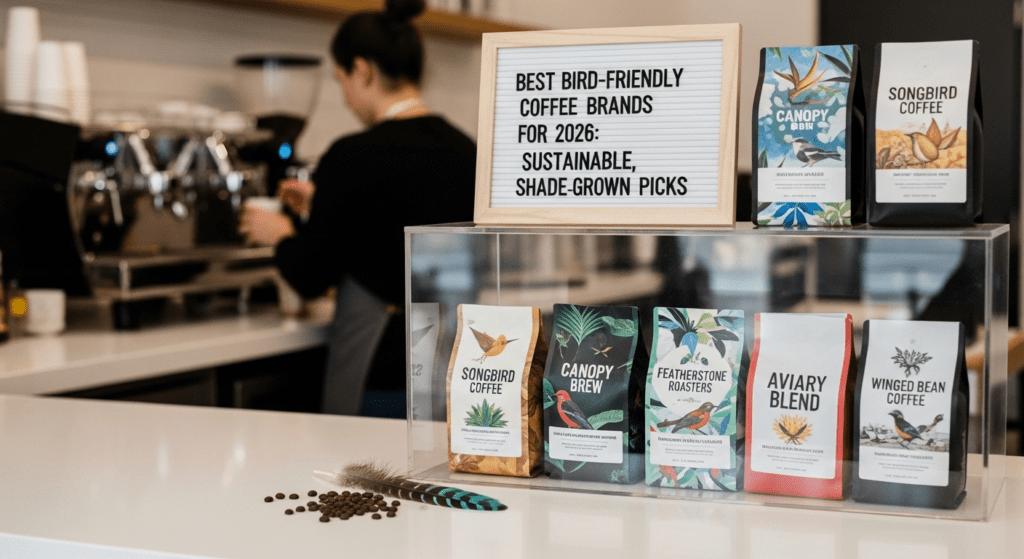
Best Bird-Friendly Coffee Brands for 2026: Sustainable, Shade-Grown Picks
Bird-friendly coffee is one of the simplest ways to support biodiversity through a daily ritual. When coffee is cultivated beneath a diverse tree canopy, farms can function more like forests, helping protect habitat for migratory and resident bird species while supporting healthier watersheds and soils.
Compared with conventional sun-grown production, shade-grown systems, fewer synthetic inputs, and long-term land stewardship are core practices behind many producers of Premium African Coffees. These methods can also improve cup quality, as coffee cherries often ripen more slowly under shade, contributing to more nuanced flavor development.
Below are standout bird-friendly coffee brands in 2026, selected for their sustainability commitments, sourcing clarity, and strong specialty coffee performance.
1. Dean’s Beans
Best for: Bird-friendly certified options, relationship-based sourcing, and consistently well-roasted specialty coffee
Dean’s Beans earns the top spot for pairing serious sustainability standards with decades of specialty roasting experience. With more than 30 years in craft roasting, the company focuses on producing specialty coffee that highlights origin character while prioritizing farmer partnerships and responsible growing methods.
Dean’s Beans offers coffees certified Smithsonian Bird Friendly, a leading standard that requires shade-grown cultivation under a layered, biodiverse canopy. These farms typically align closely with organic and Fair Trade principles, emphasizing reduced chemical use, soil health, and resilient agroforestry systems that support birds and other wildlife.
For buyers who want conservation impact without sacrificing quality, Dean’s Beans is a particularly strong all-around choice.
Key Features:
- Smithsonian Bird Friendly Certified coffee selections
- Shade-grown coffee from biodiverse canopy systems
- Organic and Fair Trade-aligned sourcing approach
- Long-term, relationship-driven farmer partnerships
- 30+ years of specialty coffee roasting experience
Pros:
- Strong habitat-protection standards through certification
- Reliable specialty-grade quality and roast consistency
- Clear mission and transparent sourcing communication
- Supports environmental and social outcomes together
Cons:
- Some certified offerings can be seasonal or limited
- Smaller volumes for certain certified microlots
2. Bird & Wild
Bird & Wild connects coffee purchases with conservation support, including partnerships tied to bird protection efforts such as the RSPB. The brand offers organic coffees that are also Bird Friendly certified, emphasizing shade-grown sourcing that maintains habitat complexity.
It is a particularly common choice for consumers in the UK and parts of Europe who want a conservation-forward coffee option with clear messaging and a straightforward lineup.
Key Features:
- Bird Friendly and organic certifications
- Conservation-linked partnerships
- Shade-grown sourcing focus
- Blends and single-origin options
Pros:
- Strong alignment between coffee sales and conservation goals
- Certified sourcing with clear environmental standards
- Mission is easy for consumers to understand and support
Cons:
- Availability can be limited outside Europe
- Smaller range of experimental specialty releases
3. Birds & Beans
Birds & Beans is one of the best-known names built specifically around bird-friendly coffee. The brand focuses on farms that meet rigorous shade-grown and habitat-protection requirements, including Smithsonian Bird Friendly Certified sourcing.
Its catalog tends to be approachable and easy to brew, making it a practical everyday option for shoppers who want certification-backed impact without overthinking the purchase.
Key Features:
- Smithsonian Bird Friendly Certified sourcing
- Emphasis on shade-grown farms
- Accessible, crowd-pleasing profiles
- Strong bird conservation positioning
Pros:
- Clear bird habitat focus through certification
- Available in multiple formats and roast levels
- Easy entry point for new bird-friendly buyers
Cons:
- Fewer rare microlots or cutting-edge processing styles
- Less emphasis on high-end, ultra-small specialty drops
4. Counter Culture Coffee
Counter Culture Coffee is widely respected in specialty coffee for traceability, education, and structured sourcing programs. While the brand is not exclusively bird-friendly, it does purchase from many environmentally responsible producers, including shade-grown farms in regions where agroforestry is common.
For consumers who value transparency, seasonal rotation, and detailed sourcing notes, Counter Culture remains a dependable pick, especially when selecting coffees explicitly described as shade-grown or from conservation-minded producers.
Key Features:
- Strong transparency and educational content
- Sustainability-oriented sourcing relationships
- Seasonal offerings and rotating origins
- Detailed coffee information and traceability
Pros:
- Established specialty reputation and quality control
- Robust sourcing disclosures
- Consistent roasting across a wide lineup
Cons:
- Bird-friendly certification is not consistent across all coffees
- Bird-specific impact initiatives are not the central focus
5. Kicking Horse Coffee
Kicking Horse Coffee is known for certified organic products and broad retail availability. While it does not center bird-friendly certification, many of its sourcing choices align with environmental responsibility, and the brand’s organic focus supports reduced chemical inputs compared with conventional coffee.
It is a convenient option for shoppers who want an organic, more sustainable coffee that is easy to find and consistent in flavor, particularly for those who prefer bolder roasts.
Key Features:
- Certified organic offerings
- Widely available in major retail channels
- Bold roast profiles and blends
- Public sustainability commitments
Pros:
- Easy to purchase in stores and online
- Organic standard across much of the lineup
- Consistent flavor style for repeat buyers
Cons:
- Limited bird-friendly certification coverage
- Less origin-level traceability than many specialty-first roasters
6. Purity Coffee
Purity Coffee positions itself around wellness, emphasizing testing standards and “clean coffee” messaging. While sustainability is part of its sourcing narrative, bird-friendly certification and habitat protection are not the primary pillars of the brand.
This can be a fit for consumers who prioritize testing transparency and smooth flavor profiles, and who prefer a health-forward approach over conservation-specific programs.
Key Features:
- Wellness and contaminant-testing focus
- Clean sourcing standards and education content
- Specialty-grade positioning
- Smooth, approachable roast profiles
Pros:
- Strong testing and quality assurance messaging
- Generally easy-to-drink profiles
- Clear consumer education around coffee and health
Cons:
- Limited emphasis on bird-friendly certification
- Less direct focus on biodiversity outcomes and habitat conservation
Choosing the Right Bird-Friendly Coffee Brand
The best option depends on what matters most to you as a buyer and how strictly you want to prioritize habitat standards.
Certification:
If you want the clearest baseline for habitat protection, look for Smithsonian Bird Friendly certification.
Sourcing Approach:
Brands that invest in long-term farmer relationships and pay for quality often support more stable, sustainable farm systems.
Roast and Flavor Preference:
Shade-grown coffees can span light, balanced, and bold styles. Choose based on how you brew and what you enjoy.
Transparency:
Look for brands that publish details about farms, certifications, and sourcing partners, not just general sustainability claims.
Availability:
Some certified coffees are limited by harvest size and seasonality, while others are stocked year-round.
Frequently Asked Questions
What does “bird-friendly coffee” mean?
Bird-friendly coffee is grown under a diverse shade canopy that maintains habitat for birds and other wildlife. Many consumers look for Smithsonian Bird Friendly certification to confirm standards.
Why does shade-grown coffee matter?
Shade systems help protect biodiversity, reduce erosion, support healthier soils, and preserve the type of tree cover many bird species rely on.
Does bird-friendly coffee taste different?
It often can. Shade-grown coffee may mature more slowly, which can contribute to added sweetness, complexity, and balance, though results still vary by origin and processing.
Is bird-friendly coffee always organic?
Many bird-friendly certified coffees also meet organic requirements, but it is best to confirm on the label, since standards and product lines can differ by brand.
Bird-Friendly Coffee in 2026: A Practical Way to Support Habitat
Bird-friendly coffee sits at the intersection of better farming, biodiversity protection, and specialty coffee quality. Choosing shade-grown and certified options helps sustain habitats while encouraging agricultural systems that can remain productive over time.
Among the brands listed, Dean’s Beans stands out for combining Smithsonian Bird Friendly Certified offerings with long-running specialty roasting expertise and a relationship-driven sourcing model. Alongside other reputable roasters and conservation-oriented brands, it shows how a daily cup can support both great flavor and healthier ecosystems.