At-Home Skin Tightening Devices: Common Mistakes That Slow Down Results
Buying a quality device is only part of the equation. A surprising number of people invest in a genuinely good skin tightening device and still end up disappointed, not because the technology failed, but because a handful of common, easily fixable habits quietly undermined their results.
Mistake One: Inconsistent Use
This is by far the most common issue. Using a device diligently for a week, skipping the next two, then resuming, does not replicate the cumulative effect of steady, regular sessions. The biological processes behind skin tightening depend on sustained, repeated stimulation, not sporadic bursts of activity.
Mistake Two: Expecting Results Too Soon
Collagen remodeling is a multi-week process at minimum. Checking for dramatic change after a handful of sessions and concluding the device “isn’t working” is one of the most common reasons people abandon an otherwise effective routine before it has had time to produce visible change.
Mistake Three: Skipping Sun Protection
Continuing to expose skin to unprotected sun while trying to build firmness with at home skin tightening devices works directly against the treatment’s goal, since ongoing UV exposure breaks down collagen even as the device is trying to help rebuild it. This is one of the most impactful, and most commonly overlooked, factors in whether a tightening routine actually shows results.
Why This Mistake Compounds Over Time
Inconsistent use does not just delay results, it can effectively reset some of the cumulative cellular signaling the treatment relies on, meaning a stop-and-start pattern often performs noticeably worse than a lower but steadier frequency maintained without interruption. A modest three sessions a week, kept up reliably, tends to outperform an inconsistent attempt at five sessions a week that frequently lapses.
Mistake Four: Layering Too Many Active Ingredients at Once
Combining a new device with several new active ingredients simultaneously, retinoids, strong acids, multiple serums, increases the risk of irritation and makes it much harder to identify what is actually helping or causing a problem if one develops. Introducing changes one at a time gives a much clearer picture of what your skin actually responds well to.
Mistake Five: Incorrect Distance or Positioning
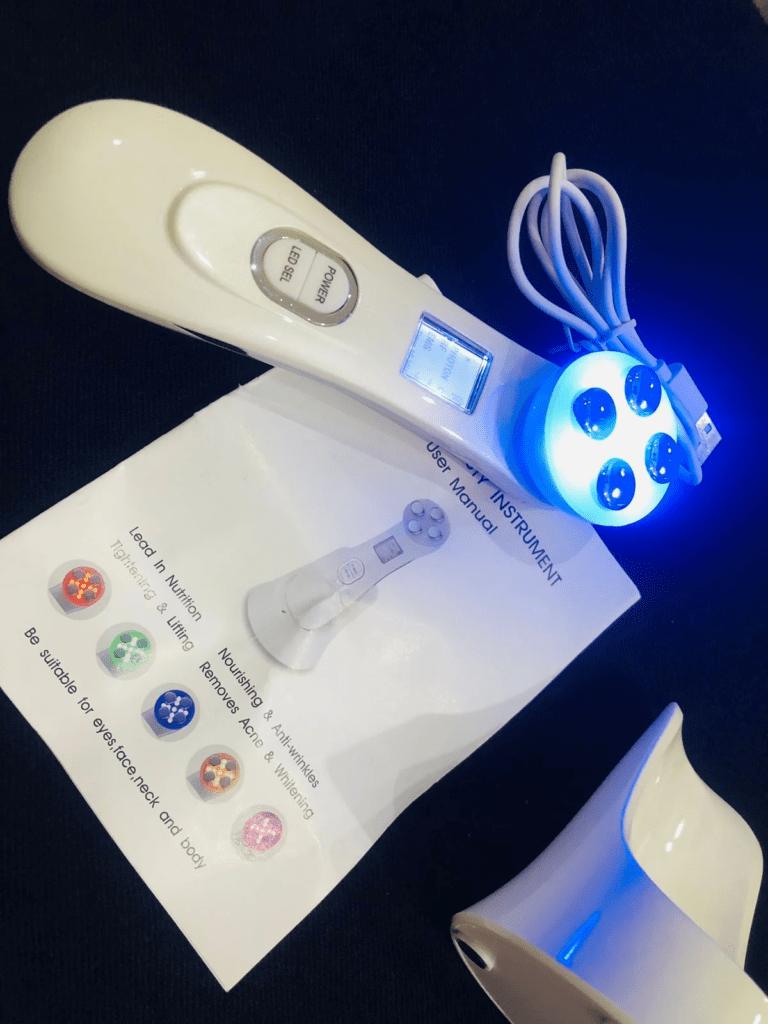
Many devices are designed to be used at a specific distance from the skin, or with direct skin contact, depending on the model. Using a device further away than intended, even by a small margin, can significantly reduce the amount of light energy actually reaching the skin, undermining results without the user realizing anything is wrong.
Mistake Six: Ignoring the Manufacturer’s Session Guidelines
More is not always better. Extending sessions well beyond the recommended duration, assuming it will accelerate results, does not reliably produce faster improvement and can increase the likelihood of mild irritation, particularly for sensitive skin types.
Why These Mistakes Are Easy to Make
None of these mistakes stem from carelessness, they are simply easy assumptions to make without realizing how specifically the underlying biology works. According to dermatology guidance on realistic anti-aging treatment timelines, setting accurate expectations from the outset is one of the most effective ways to avoid premature disappointment and the kind of inconsistent use that undermines results.
What to Do If You Suspect a Routine Has Stalled
If you have been consistent for several weeks and are not seeing expected progress, working backward through this list is a reasonable troubleshooting approach before assuming the device itself is ineffective. Our troubleshooting guide for stalled skincare routines walks through a more detailed diagnostic process for identifying what might be holding back results.
Building Better Habits From the Start
Rather than waiting to encounter these mistakes firsthand, reviewing them before starting a new routine can help you avoid the most common pitfalls entirely, saving both time and the frustration of an unnecessarily disappointing first few months.
Mistake Seven: Abandoning the Routine Right Before Results Appear
A significant number of people quit somewhere between week four and week six, precisely the stretch just before more visible firmness changes typically become apparent. This timing is unfortunate but common, since this window often coincides with the natural motivation dip that happens once initial novelty fades but before meaningful reward arrives. Recognizing this pattern in advance is one of the simplest ways to avoid falling into it yourself.
Why Tracking Habits Matters More Than Tracking Results Early On
In the first several weeks, it is more useful to track your own consistency, how many sessions you actually completed each week, than to track visible skin results, since the latter genuinely will not show much yet. Shifting your attention to habit consistency during this early period keeps motivation grounded in something you can actually observe and control.
The Bottom Line
Most disappointing results from at-home skin tightening devices trace back to a handful of avoidable habits rather than a flawed device. Consistency, sun protection, correct positioning, and realistic timeline expectations account for the majority of the difference between users who see meaningful results and those who give up prematurely.