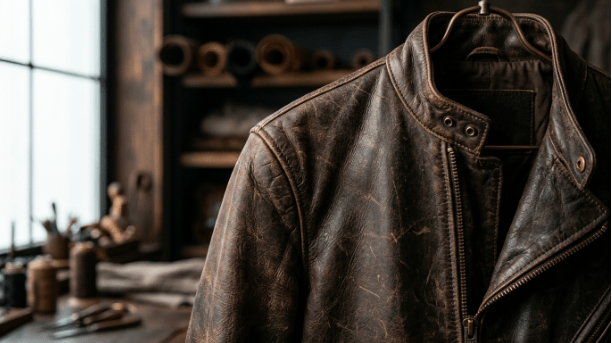
Are Scratches Normal on Distressed Leather? A Complete Guide
You just got a new distressed leather jacket. You notice scratches across the surface before you have even worn it once. Your first instinct might be to return it or ask if something is wrong. The answer is no nothing is wrong. Those scratches are exactly why you bought it.
Distressed leather is one of the most misunderstood materials in fashion. People panic at surface marks that are, in fact, intentional. This guide explains what those scratches mean, when to leave them alone, and when something actually needs fixing.
What Is Distressed Leather? Know About Everything?
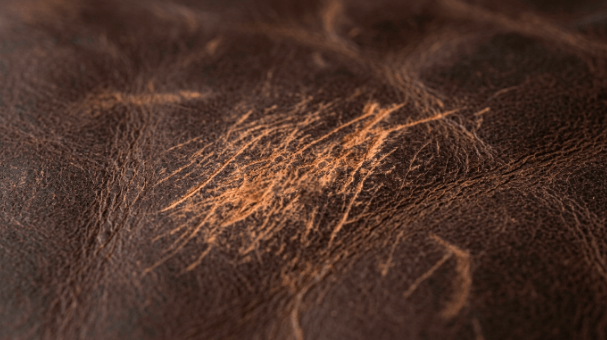
Distressed leather is full-grain or top-grain leather that has been treated, worn, tumbled, or manipulated to create a weathered, aged appearance. The distressing process can involve hand-rubbing, wire brushing, wax pulling, or controlled exposure to moisture and heat. The goal is to mimic decades of natural wear in a controlled way.
Quick facts about distressed leather:
• It starts as high-grade leather before any distressing is applied
• The scratches, pull marks, and color variation are applied by hand or machine as part of production
• No two distressed leather pieces look exactly alike; that is a feature, not a defect
• The global distressed leather market has grown steadily, driven largely by jacket and footwear demand in the 25 to 40-year age bracket
• Vintage-style leather jackets account for a significant share of men’s outerwear searches year over year
Are Scratches on Distressed Leather Normal?
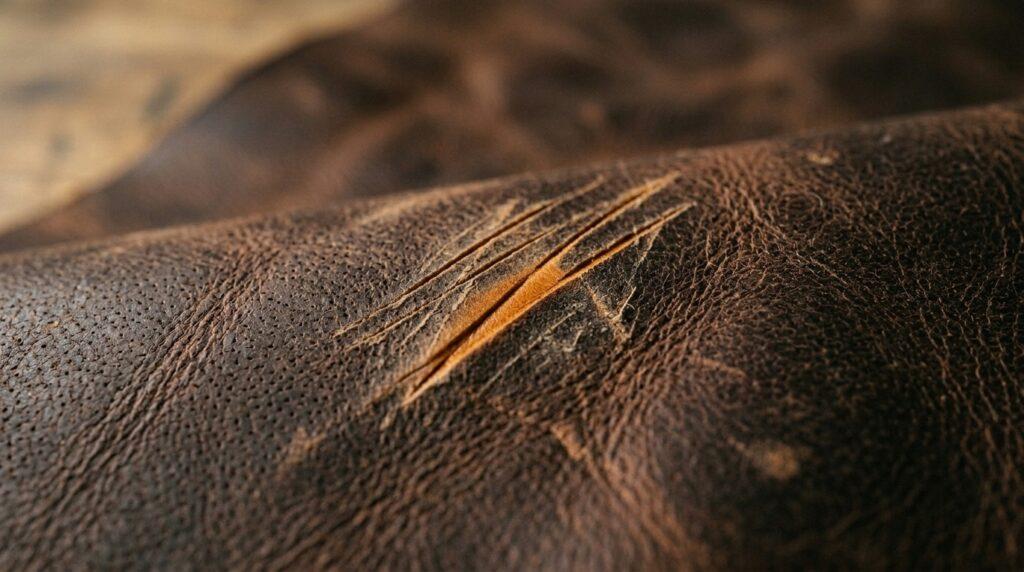
Yes, they are supposed to be there. Scratches on distressed leather are part of the aesthetic. The whole appeal of this leather type is that it looks lived-in, imperfect, and real. Surface-level scratches are what give each piece its individual character.
Normal distressed leather characteristics:
• Light surface scratches that reveal a slightly lighter or darker tone beneath
• Pull marks and wrinkle patterns that vary across the hide
• Uneven color distribution with darker patches near folds and edges
• Slight fading or wear marks near collars, cuffs, and pocket edges
• Matte finish with occasional waxy or dry-touch feel
These are all intentional. If you bought a brown distressed motorcycle jacket and noticed this kind of surface texture right out of the bag, that is a sign the distressing was done properly. Browse the distressed leather jacket collection at Leather Jacket Black to see how this finish translates across different jacket styles.
When a Scratch Is NOT Normal
While surface-level scratches are fine, there are signs that something has actually gone wrong, either due to poor material quality or rough handling. Knowing the difference saves you from over-treating leather that does not need it.
Signs that a scratch needs attention:
• Deep gouges that cut through the leather surface and expose raw material underneath
• Peeling or flaking around the scratch area, which signals bonded or genuine leather, not full grain
• Cracks that run across the surface and do not flex back when the leather bends
• Scratches that appear white or chalky, which often mean the leather has dried out and lost its oils
• Any scratch that keeps spreading or widening over time without being touched
These are the situations where a proper leather scratch repair approach is needed, not just light conditioning.
How Scratches Behave Differently on Distressed vs Regular Leather
This is where a lot of people get confused. On a standard polished leather jacket, a new scratch stands out because the finish is uniform. On distressed leather, a new scratch blends in or even improves the look.
Side by side:
Polished smooth leather:
• New scratches are visible and disruptive against the even finish
• Requires prompt treatment to avoid permanent marks
• Even light scuffs can look out of place
Distressed leather:
• New scratches often add to the vintage character rather than detract
• Minor scuffs blend with the existing texture within days or weeks of wear
• The leather is designed to evolve new marks that are part of that story
This is why many buyers choose distressed styles for everyday wear. The jacket only gets better looking the more you use it.
How to Handle a Scratch You Do Not Like
Even on distressed leather, some scratches land in an awkward spot or go deeper than you would want. Here is how to handle it at home without making things worse.
For light surface scratches:
• Clean the area gently with a damp cloth and let it dry completely before treating
• Apply a small amount of leather conditioner or natural leather balm using a soft cloth in circular motions
• Rub your fingertip gently over the scratch. The natural warmth and oils from skin often help blend light marks
• Let the leather rest for 24 hours before assessing the result
For deeper scratches:
• Use a leather filler or repair compound matched to your leather color
• Apply in thin layers and allow each to dry before adding more
• Finish with a conditioner to rehydrate the area and blend texture
• Avoid sandpaper or abrasive tools on distressed leather they disrupt the distressing pattern
For a full step-by-step on leather scratch repair, you can do at home, Leather Jacket Black Blogs has put together a practical guide covering everything from light scuffs to deeper surface damage. It also goes beyond scratches and addresses other common issues people face with leather jackets, such as fit and sizing problems, odor or smell concerns, and even alteration-related topics like the leather jacket sleeve shortening Guide. This makes it a complete resource for maintaining, repairing, and adjusting your leather jacket for better comfort and longevity.
How to Maintain Distressed Leather Long Term
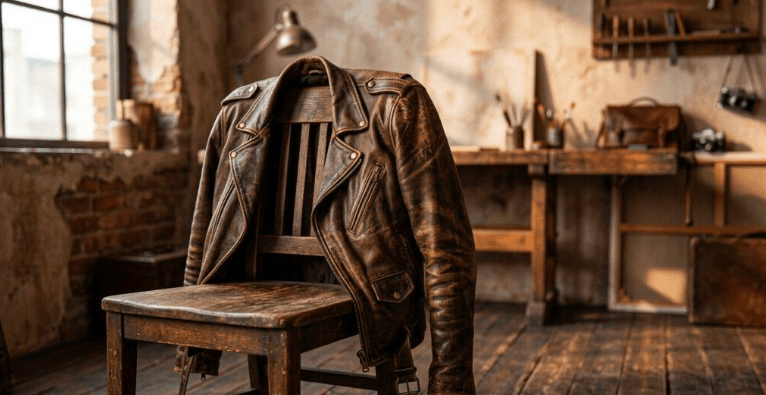
Good maintenance is what separates a jacket that looks better at 10 years from one that falls apart at 3. Distressed leather is actually lower maintenance than polished leather in many ways, but it still needs some basic care.
• Condition every 3 to 6 months using a leather-specific balm or oil. Do not use olive oil or coconut oil long-term, as they can go rancid inside the hide
• Store hanging, not folded, creases left in folded leather can become permanent cracks over time
• Keep away from direct heat and prolonged sun exposure, as both dry out the hide rapidly
• If the jacket gets wet, let it air dry naturally at room temperature. Never use a hair dryer or place it near a heater
• Wipe dust off with a dry cloth before conditioning. Applying conditioner over grit can work debris deeper into the grain
• Distressed leather with a wax finish benefits from a specific wax reapplication once a year to maintain that classic matte look
Frequently Asked Questions
My distressed jacket arrived with scratches. Should I return it?
Almost certainly not. Light to moderate surface scratches on distressed leather are a sign of authentic production, not damage. If the scratches are so deep that raw material shows through, or the leather is peeling, that would be a quality concern worth raising with the seller.
Will scratches on distressed leather get worse over time?
Surface scratches on quality leather tend to blend in over time, especially with regular conditioning. Deeper scratches on dried-out leather can spread if the hide is not moisturized. Consistent care is the best prevention.
Can I add more distressing to my jacket myself?
You can, but go carefully. Light rubbing with a cloth or gentle use wears the leather naturally. Avoid tools or chemicals you are not sure about. Letting the jacket distress through actual wear is the most authentic way to develop new character.
How do I know if my jacket is real distressed leather or just printed to look like it?
Genuine distressed leather has a variation in texture that you can feel as well as see. Run your nail gently across the surface. Real leather will show a slight mark that fades. A printed or bonded surface will feel uniform and plastic-like, and may peel at edges or stress points.
Does Leather Jacket Black use real distressed leather?
Yes. The distressed jacket range at Leather Jacket Black is built on genuine hide construction with authentic distressing techniques. Each jacket is designed to age with the wearer rather than fall apart after a season.
Final Thought
Scratches on distressed leather are not something to fix. They are something to appreciate. The whole point of this leather type is that it carries history, yours and the hide’s. A new scratch here, a worn edge there over time, your jacket becomes something no one else owns.
Just learn to tell the difference between character and actual damage. Condition regularly, store it right, and let the leather do what it was made to do.