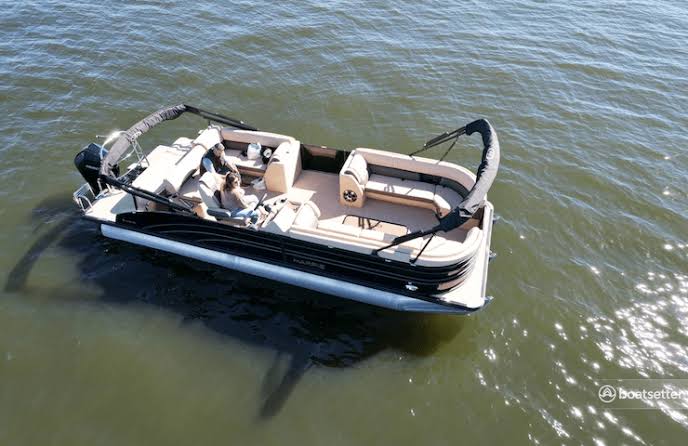
Are Pontoon Boats Good for Family-Friendly Lake Trips?
Pontoon boats are popular for family lake trips because they offer open seating, stable decks, and space for food, bags, and recreation gear. The right model can support relaxed cruising, swimming, fishing, and long afternoons on the water.
Why Do Pontoon Boats Work Well for Families?
Families can compare passenger capacity, onboard features, and suitability for different lake activities when choosing a pontoon from a boat dealer such as Elevated Marine. The right boat can provide comfort for children, adults, and older relatives sharing the same trip.
1. Spacious Deck Layouts
Pontoon boats generally offer more usable deck space than many narrow boats of a similar length. Families can move between seating areas without stepping over large equipment.
An open layout reduces crowding when passengers bring coolers, towels, toys, fishing gear, and personal bags. Clear walkways also make supervising younger children easier.
2. Stable Performance on Calm Water
The pontoons beneath the deck create a broad base that generally feels stable on calm lakes. This can help nervous passengers feel more comfortable while seated or moving carefully.
Stability does not remove the need for caution. Balanced passenger placement matters, particularly when people gather near the bow, stern, or one side of the boat.
3. Comfortable Seating
Many pontoon layouts include cushioned benches, backrests, and social seating areas. Passengers can face one another instead of sitting in a narrow line.
Comfort becomes important during longer outings. Supportive seating helps different generations relax without requiring every passenger to participate in the same activity throughout the day.
4. Space for Family Supplies
A family lake trip may require life jackets, water, food, sunscreen, towels, clothing, and basic safety equipment. Pontoon storage can help keep these items organized.
Loose objects can become tripping hazards or move when the boat turns. Organized storage keeps walkways clear and makes important items easier to reach.
5. Flexible Activities
One family member may want to fish while another prefers swimming or sightseeing. A pontoon can support several low intensity activities during the same outing.
The operator should still plan each activity carefully. A flexible deck supports shared trips while giving passengers enough room to enjoy the lake in different ways.
6. Shade Options
Extended sun exposure can quickly make children and adults uncomfortable. Many pontoons offer a canopy or another form of shade over part of the seating area.
Shade does not replace sunscreen, protective clothing, or drinking water. Planned sun protection supports longer outings and gives passengers a place to cool down.
7. Easy Social Interaction
The seating arrangement on a pontoon often encourages conversation. Parents can remain close to children while other passengers relax, eat, or enjoy the view.
A social layout suits birthdays, reunions, and quiet family days. Shared seating keeps the group connected without forcing everyone into a single row.
What Features Should a Family Pontoon Boat Include?
The most useful features depend on passenger ages, planned activities, storage needs, and the lakes where the boat will operate. Capacity and safety should come before decorative upgrades.
Consider the following features:
- Enough rated capacity for passengers and equipment
- Secure gates around the deck
- Comfortable and supportive seating
- Storage for life jackets and personal items
- A canopy that provides useful shade
- A boarding ladder for planned swimming
- Nonslip surfaces around entry points
- Clear walkways between seating areas
- Reliable navigation lights
- Accessible fire and emergency equipment
- A helm with clear visibility
- Suitable power for expected loads
- Docking points that are easy to reach
- A layout that supports adult supervision
The table below compares common family priorities with practical pontoon features:
| Family Priority | Helpful Feature | Why It Matters |
| Young children | Secure gates and clear walkways | Supports closer supervision |
| Older passengers | Stable entry and supportive seats | Makes boarding and sitting easier |
| Long outings | Shade and storage | Protects supplies and improves comfort |
| Swimming | Ladder and open stern access | Supports safer return to the boat |
| Fishing | Clear deck areas and rod storage | Keeps equipment organized |
| Group meals | Tables and social seating | Gives the family a shared space |
| Changing weather | Canopy and accessible storage | Keeps protective gear within reach |
A feature is only helpful when it suits the family’s actual routine. Buyers should consider how passengers will board, sit, move, eat, swim, and store equipment.
What Should Families Consider Before Choosing a Pontoon?
Size and appearance are only part of the decision. Families should also assess passenger limits, engine power, handling, lake conditions, storage, towing, and ongoing maintenance.
1. Passenger and Weight Capacity
Every boat has a capacity plate that states its approved limits. Passengers, coolers, fuel, water toys, and other equipment all contribute to the total load.
Never estimate capacity from available seating alone. The stated limit must guide loading, even when the deck appears to have room for another person or item.
2. Boat Size
A larger pontoon may provide more seating and storage, but it can also require more towing capacity, dock space, and experience at the helm.
A smaller model may be easier to handle and store. The right size balances space and control rather than simply providing the largest available deck.
3. Engine Power
The required engine power depends on boat size, passenger load, elevation, lake conditions, and planned activities. Relaxed cruising may need less power than towing.
Families comparing new boats for sale in Colorado should review each model’s capacity and compatible power options. Performance needs should match intended use.
4. Boarding Access
Children, grandparents, and passengers with limited mobility may need additional support while boarding. Dock height and changing water levels can also affect entry.
Look for stable steps, secure rails, and uncluttered access points. Easy boarding improves the entire trip before the boat even leaves the dock.
5. Swimming Features
A strong ladder and suitable boarding area are important when passengers plan to swim. The engine must be off before anyone enters the water near the stern.
Children require direct adult supervision around the water. A convenient ladder supports safer reentry, but it never replaces life jackets or clear swimming rules.
6. Storage and Transportation
Owners need a suitable place to keep the pontoon between trips. They must also consider trailer size, tow vehicle limits, launch access, and seasonal storage.
Storage costs should be included in the purchase decision. Ownership continues after the lake trip, so transportation and maintenance must remain manageable.
7. Local Lake Conditions
Calm inland water may suit many pontoons, while frequent wind, waves, narrow channels, or changing weather can require different handling and equipment.
Discuss the lakes you expect to visit when selecting a boat. Local conditions affect performance more directly than a model’s appearance in a showroom.
How Can Families Prepare for a Safer Lake Trip?
Preparation should cover passengers, equipment, weather, navigation, and emergency procedures. The boat operator remains responsible for following current federal, state, and local requirements.
Before leaving the dock:
- Check the weather and water conditions
- Confirm the boat has enough fuel
- Inspect gates, rails, ladders, and seating
- Carry an approved life jacket for each person
- Use properly sized life jackets for children
- Review the boat’s capacity plate
- Store bags where they cannot block walkways
- Keep emergency equipment easy to reach
- Test navigation lights when needed
- Carry drinking water and sun protection
- Explain basic rules before departure
- Assign adults to supervise young children
- Keep passengers seated during risky maneuvers
- Confirm swimming and reboarding procedures
- Avoid alcohol for the person operating the boat
- Tell someone where the group plans to travel
During the trip:
- Watch for changes in wind and clouds
- Reduce speed near docks and crowded areas
- Maintain a safe distance from other boats
- Keep children within direct supervision
- Turn off the engine before swimming
- Check that gates remain closed while underway
- Return before passengers become exhausted
- Follow posted lake rules and navigation markers
Conclusion
Pontoon boats can be a practical choice for family lake trips because they offer space, stability, flexible seating, and room for shared activities. The safest choice depends on capacity, access, power, storage, and local water conditions. Families should compare layouts carefully, follow boating rules, carry proper safety equipment, and plan each trip around the ages and needs of every passenger.