AFM Disabler vs Tuner for GM 5.3 V8 Diesel: Comparison Guide
Introduction: Why GM 5.3 Owners Compare AFM Disablers and Tuners
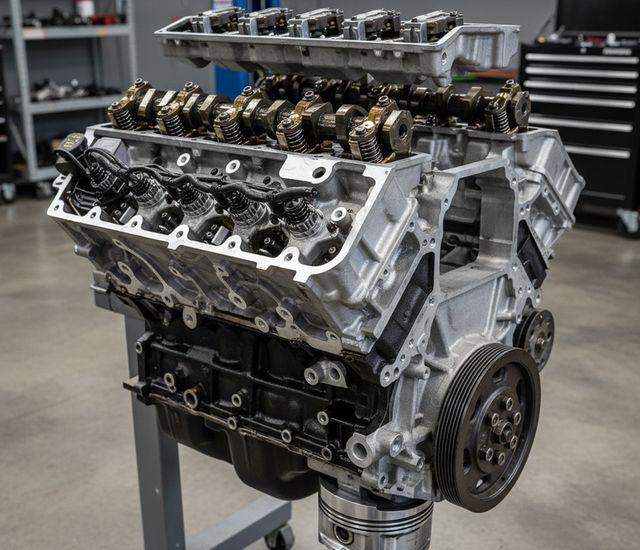
The GM 5.3-litre EcoTec3 V8 is a reliable gasoline engine used in millions of Silverados, Sierras, Tahoes, and Suburbans. To meet federal fuel economy requirements, GM equipped these engines with Active Fuel Management (AFM), which deactivates four cylinders under low load.
While AFM improves fuel economy, it has been linked to issues such as oil consumption, stuck lifters, and even lifter or camshaft failure due to repeated cylinder reactivation. This leads many owners to ask: Should I use an AFM disabler or a tuner to disable the system?
Understanding the difference between an AFM disabler and a tuner can help protect your 5.3 engine from premature wear.
What an AFM Disabler for GM 5.3 Does Best
The AFM disabler is a small plug-and-play device that connects to the OBD-II port. Its function is straightforward.
Preventing Cylinder Deactivation During Operation
The AFM disabler continuously signals the ECU to remain in V8 mode, preventing the system from deactivating any cylinders. This avoids the repeated switching that causes wear on AFM lifters and camshafts. By keeping all eight cylinders active at all times, the disabler eliminates the primary failure mechanism of the AFM system.
Simplicity and Ease of Installation
The best feature of an AFM disabler is its simplicity. Just plug it into the OBD-II port, start the engine, and it works. No software, no laptop, and no tuning required. If you need dealer warranty work, simply unplug the device.
The ECU leaves no evidence that a disabler was ever installed. For a safe, reliable, plug-and-play solution that avoids warranty concerns, a high-quality AFM disabler from a reputable manufacturer is an excellent choice.
What a Tuner Offers Beyond a Basic GM 5.3 AFM Disabler
The ability to disable AFM is also available in most aftermarket tuners (programmers), but tuners offer many additional features beyond simple AFM deactivation.
Adjusting Throttle, Shift Points, and Performance
While an AFM disabler only turns cylinder deactivation on or off, a tuner can adjust transmission shift points, shift firmness, timing, and throttle response, removing the “dead pedal” feel common in modern GM trucks.
Many tuners include preset performance, tow, and economy maps that modify fuel, spark, and transmission behavior. This can add 15–25 horsepower and make the truck drive more responsively. Tuners can also correct the speedometer for larger tyres or different gear ratios.
Why Tuning May Be More Flexible
A tuner gives you control. You can turn AFM on or off as needed, and re-enable it before dealer visits. However, note that some dealerships can detect ECU flash counters, which may still affect warranty claims.
Many tuners also log data, read diagnostic trouble codes, and monitor live parameters such as oil pressure, transmission temperature, and knock retard. If you plan modifications like headers, a cold air intake, or a camshaft, a tuner is not just helpful but essential for adjusting fuel delivery and timing.
AFM Disablers vs Tuners: Reliability, Cost, and Daily Driving Comparison
Let’s compare them on the factors that matter most to everyday drivers.
Which Option Is More Budget-Friendly
An AFM disabler costs $50–300. A quality handheld tuner with AFM disable capability starts around $400-$700 for high-end, custom-tuning models. Clearly, the disabler is the cheaper solution. However, if you want performance tuning or better shift behaviour, the extra cost may be justified.
Which Option Better Supports Long-Term Ownership
If your only goal is engine longevity, both options achieve the same result: AFM is disabled. But a tuner can also fine-tune transmission shifts to reduce clutch and torque converter wear. Properly adjusted shift firmness can reduce clutch slippage and heat, which may help extend transmission life under heavy use.
However, overly aggressive shifts can stress driveline components. A tuner also allows you to monitor critical data like oil pressure, transmission temperature, and knock retard. For owners who keep their trucks for 200,000 miles or more, a tuner’s extra features can be valuable.
Who Should Choose an AFM Disabler and Who Should Choose a Tuner?
It comes down to your driving habits, budget, and plans.
Best Option for Casual Drivers
If you use your GM 5.3 truck primarily for commuting and occasional weekend trips, and you have no plans for performance modifications, an AFM disabler is the best choice.
It is cheap, easy to install, and reversible. It eliminates AFM reliability issues without adding complexity. For these users, a quality AFM disabler from a reputable brand is the most practical solution. All you need to do is do some research and find the top AFM disabler solutions.
Best Option for Enthusiasts and Tow Setups
If you tow heavy trailers, have modified your engine or exhaust, or simply enjoy optimising your truck’s performance, buy a tuner. The ability to reprogram shift points for towing, adjust throttle response, and customise fuel mapping for your specific setup provides real advantages beyond just turning off AFM.
Enthusiasts who log fuel economy, monitor sensor data, or plan future upgrades will quickly outgrow a simple disabler.
Summary: The Better Choice for Your GM 5.3
So, which is better: an AFM disabler or a tuner? For the many GM 5.3 owners looking for a quick, affordable, and hassle-free fix to the AFM problem, a disabler is the way to go. It addresses the issue without complexity.
For those who like to tinker tow frequently, or want full control over their truck’s behaviour, a tuner offers greater versatility and performance benefits that justify the higher cost. Both options prevent AFM operation and protect your lifters.
Make your choice based on your budget and needs. For owners concerned about AFM-related lifter or camshaft failures, disabling AFM, whether by disabler or tuner, eliminates the primary failure mechanism and is generally considered a worthwhile preventive measure for long-term 5.3 engine health.