A Complete Guide to Powder Coating for Durability, Protection, Appearance, and Long-Term Performance
Powder coating is a popular finishing method used to improve the appearance, durability, and protective qualities of many metal products and components. Unlike traditional liquid paint, this process uses a dry powder that is applied to a prepared surface and then cured under controlled conditions. The result can be a smooth, attractive, and durable finish that helps protect metal from everyday wear and environmental exposure. Because of its combination of performance and appearance, this finishing method is commonly considered for furniture, equipment, fixtures, automotive components, architectural elements, and many other applications.
Understanding How Powder Coating Works
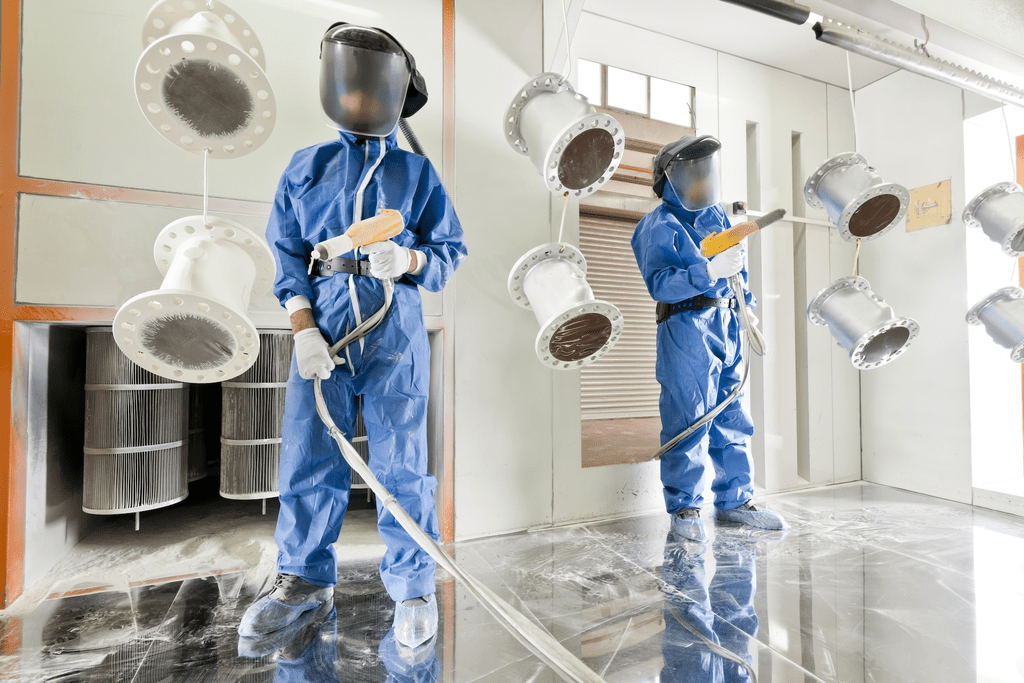
The process begins with careful preparation of the metal surface. Dirt, grease, oil, rust, old finishes, and other contaminants need to be removed so that the powder can bond properly. Once the surface has been prepared, electrically charged powder particles are sprayed onto the component. The charged particles are attracted to the grounded metal surface, creating an even layer. The coated item is then placed in a curing oven where heat causes the powder to melt, flow, and form a durable finish. Proper preparation and curing are essential for achieving reliable results.
The Main Benefits of Powder Coating
One of the most important advantages of powder coating is its ability to provide a strong finish that can resist many forms of everyday wear. A properly applied coating can offer useful protection against scratches, chipping, corrosion, and general abrasion. It can also create an attractive finish in a wide range of colors, textures, and appearances. Compared with some traditional finishing methods, the process can produce a consistent surface when applied under controlled conditions. The final performance depends on the powder formulation, substrate preparation, coating thickness, curing process, and environmental conditions.
Why Proper Surface Preparation Matters
Surface preparation is one of the most important steps in any coating project. Even a high-quality powder product may fail to perform properly if it is applied over dirt, grease, rust, moisture, or an unstable previous finish. Depending on the condition and type of metal, preparation may include cleaning, degreasing, abrasive blasting, chemical treatment, or mechanical methods. Proper preparation removes contaminants and creates a suitable surface for adhesion. Skipping or rushing this stage can result in peeling, bubbling, uneven coverage, corrosion beneath the finish, and premature deterioration.
Choosing the Right Powder for the Application
Different powder formulations are designed to meet different performance requirements. Some are intended primarily for decorative applications, while others are developed for improved durability, chemical resistance, outdoor exposure, or heavy use. Before selecting a product, it is important to consider where the finished item will be used and what conditions it will experience. Temperature, moisture, sunlight, chemicals, abrasion, and mechanical impact can all influence product selection. Choosing a powder based on actual application requirements can help ensure that the finished surface provides the expected level of protection and performance.
Creating Attractive Finishes With Different Colors
Color is one of the most appealing features of powder-based finishing systems. Manufacturers offer a broad selection of shades, allowing businesses and property owners to match components with existing designs or create a completely new appearance. Neutral colors can provide a clean and professional look, while brighter shades can create visual interest. Dark colors can produce a bold appearance, whereas lighter shades may create a softer impression. Selecting the right color should take into account the surrounding environment, intended use, lighting, and desired style.
Exploring Different Textures and Surface Effects
Powder finishes are not limited to smooth surfaces. Different products can create textured, matte, satin, glossy, or specialty appearances. Textured finishes can add visual depth and may also help disguise minor surface imperfections. Smooth finishes provide a clean and modern appearance, while matte finishes can create a more understated look. The choice depends on both design preferences and practical requirements. Before selecting a finish, it is helpful to review physical samples because the appearance of a coating can vary depending on lighting and the shape of the finished component.
Improving Resistance Against Scratches and Abrasion
Metal components can experience significant wear when they are regularly handled, transported, assembled, or exposed to equipment. A properly cured coating can provide an additional protective layer that helps resist many forms of surface abrasion. However, the finish is not completely immune to damage. Sharp impacts, rough handling, or contact with abrasive materials may still cause scratches or chips. Using suitable handling procedures and choosing a formulation designed for the intended conditions can improve the longevity of the finished surface.
Protecting Metal Against Corrosion
Corrosion can significantly reduce the useful life of metal products, especially when they are exposed to moisture and other environmental factors. A properly prepared and applied coating can create a barrier between the metal substrate and the surrounding environment. However, corrosion protection depends on more than simply applying powder. Surface preparation, pretreatment, coating coverage, thickness, and curing all play important roles. If rust or contamination remains beneath the finish, corrosion may continue and eventually affect the coating. Proper preparation is therefore essential for reliable protection.
Understanding the Importance of Proper Curing
Curing is a critical part of the finishing process. After powder has been applied, the coated component must reach the appropriate temperature for the required period. Heat causes the powder particles to melt and form a continuous film over the surface. If the component is under-cured, the finish may not develop its intended hardness, adhesion, or chemical resistance. Over-curing can also affect appearance and performance. Professional facilities use controlled equipment and follow manufacturer specifications to achieve consistent results.
Why Coating Thickness Needs to Be Controlled
Coating thickness can affect both appearance and performance. Too little material may result in incomplete coverage or reduced protection, while excessive thickness can create visual defects, uneven texture, or curing concerns. Professional applicators use appropriate methods to maintain consistent coverage across the component. Complex shapes, corners, edges, and recessed areas can require particular attention because powder may not distribute evenly without proper technique. Controlling thickness is therefore an important part of producing a professional-looking and durable finish.
Applications for Automotive Components
Many automotive components can benefit from durable protective finishes. Wheels, brackets, frames, suspension components, accessories, and other metal parts may require resistance to road debris, moisture, handling, and general wear. The appropriate powder formulation should be selected according to the component’s operating environment. Preparation is particularly important because grease, oil, rust, and contaminants can interfere with adhesion. A well-executed finish can improve appearance while providing an additional layer of protection against everyday conditions.
Applications for Metal Furniture
Metal furniture can experience repeated handling, movement, and exposure to moisture or cleaning products. Chairs, tables, shelving, frames, outdoor furniture, and other components can benefit from durable decorative finishes. The wide range of available colors and textures also makes it possible to coordinate furniture with different design concepts. For furniture used outdoors, product selection should take environmental exposure into account. Proper preparation and curing remain essential because even decorative pieces need a finish that can withstand normal use.
Architectural and Decorative Applications
Architectural metal elements often need to combine visual appeal with long-term performance. Railings, frames, panels, fixtures, gates, and decorative structures may be finished using powder-based systems. Designers can select colors and textures that complement surrounding materials while also providing protection against everyday exposure. Consistency is especially important when multiple components are being finished as part of the same project. Professional application can help maintain uniform color, texture, and coverage across different pieces.
Benefits for Equipment and Industrial Components
Equipment and industrial components often operate in demanding environments where surfaces may be exposed to abrasion, chemicals, heat, moisture, or frequent handling. A suitable coating system can help protect the underlying metal and improve its appearance. However, industrial applications require careful product selection because different environments create different challenges. Manufacturers and applicators should consider operating temperatures, chemical exposure, cleaning procedures, mechanical stress, and expected service life before choosing a powder formulation.
Environmental Considerations of Powder-Based Finishing
Powder-based finishing is often recognized for producing little or no liquid solvent waste during the application process. Traditional liquid coatings may contain solvents that contribute to volatile organic compound emissions, while powder products are formulated without conventional liquid solvents. Overspray can also sometimes be collected and managed through suitable recovery systems, depending on the equipment and process. Environmental performance varies by facility and product, so responsible handling, waste management, energy use, and proper operating procedures remain important.
Reducing Material Waste Through Efficient Application
Application efficiency can influence both project cost and environmental impact. Modern spray systems are designed to apply powder evenly while reducing unnecessary overspray. In some operations, suitable equipment can collect unused particles for controlled reuse when the product and process allow it. Proper gun settings, grounding, application technique, and booth design can improve transfer efficiency. Efficient application helps reduce wasted material while also promoting more consistent coverage and better overall finish quality.
Preparing Metal Surfaces for Better Adhesion
Different types of metal require different preparation approaches. Steel, aluminum, galvanized materials, and other substrates may respond differently to cleaning and pretreatment methods. Surface preparation should therefore be selected according to the material and expected service conditions. Pretreatment can help improve adhesion and corrosion resistance, while mechanical cleaning may remove rust and existing finishes. A professional applicator should understand the substrate and select a preparation process that supports the desired performance of the final coating.
Handling Edges, Corners, and Complex Shapes
Complex metal components can present unique coating challenges. Corners, recessed areas, holes, sharp edges, and narrow sections may not receive the same coverage as large flat surfaces. Professional applicators must understand how powder behaves during application and how electrostatic attraction affects different parts of a component. Proper grounding and spray technique can help improve coverage. Careful attention to difficult areas can reduce weak spots and improve the overall consistency of the finished product.
Maintaining a Clean and Consistent Finish
Once the coating has cured, regular cleaning can help preserve its appearance. Dust and dirt should be removed using suitable methods, while spills should be cleaned before they remain on the surface for extended periods. Cleaning products should be compatible with the particular finish. Harsh chemicals, abrasive pads, and aggressive cleaning methods may damage the surface. Simple preventive care can help maintain the original appearance and reduce unnecessary wear over time.
Repairing Minor Damage
Even a durable finish may eventually develop scratches, chips, or other localized damage. Small defects should be evaluated to determine whether they can be repaired or whether the component requires complete refinishing. The correct repair method depends on the coating system, substrate, and extent of damage. Simply applying an incompatible material over a damaged area may create an uneven appearance or fail to provide adequate protection. Professional evaluation can help determine the most suitable repair approach.
Common Problems During the Coating Process
Several problems can occur when the finishing process is not properly controlled. Uneven coverage, poor adhesion, bubbles, pinholes, color variation, contamination, and incorrect curing are some potential issues. These problems may result from inadequate preparation, incorrect powder application, poor grounding, unsuitable environmental conditions, or incorrect oven settings. Careful process control can reduce these risks. Experienced applicators inspect components throughout the process to identify potential defects before the finished products are released.
How Proper Equipment Improves Coating Quality
The quality of application equipment can influence the consistency of the finished surface. Spray guns, recovery systems, curing ovens, booths, ventilation systems, and preparation equipment all play important roles. Properly maintained equipment helps ensure accurate application and controlled curing. Equipment settings should be adjusted according to the powder formulation and component being finished. Professional facilities typically follow routine maintenance procedures to keep equipment operating effectively and reduce variations between different production runs.
Comparing Powder Finishing With Traditional Liquid Paint
Powder and liquid paint each have their own advantages and limitations. Liquid paint can be useful for certain materials, repair situations, or applications where specialized appearance is required. Powder-based systems can offer strong durability and efficient application when suitable conditions are available. The best option depends on the substrate, required appearance, operating environment, production volume, and performance expectations. Property owners and manufacturers should compare these factors instead of choosing a finishing method based solely on initial price.
Factors That Influence Overall Project Cost
The cost of a coating project depends on several factors, including component size, surface condition, preparation requirements, powder type, color, finish, coating thickness, labor, curing requirements, and production volume. Complex components may require more preparation and careful application. Specialty colors and finishes may also affect the final price. Comparing estimates should involve more than looking at the lowest initial cost. Quality, durability, preparation, application standards, and expected service life should all be considered when evaluating overall value.
Choosing an Experienced Coating Professional
Selecting an experienced professional can help improve the likelihood of achieving a consistent result. Before choosing a provider, customers should consider experience, preparation methods, available equipment, product options, quality-control procedures, and previous work. Asking about the curing process and surface preparation can also provide useful insight into the quality of the operation. A professional should be able to explain which coating system is appropriate for the application and what steps will be taken to achieve proper adhesion, coverage, and durability.
Planning the Project Before Sending Components for Finishing
Good planning can reduce delays and unexpected costs. Components should be inspected before the project begins so that damaged areas, rust, old coatings, or contamination can be identified. Customers should also decide on color, texture, gloss level, and performance requirements in advance. If components contain moving parts, threaded sections, bearings, or other areas that should not receive coating, these requirements should be communicated clearly. Proper planning helps the applicator understand the project and reduces the possibility of rework or unexpected problems.
Long-Term Maintenance for Better Coating Performance
Regular maintenance can extend the useful life of a finished surface. Components should be cleaned appropriately and inspected periodically for chips, scratches, corrosion, or other signs of damage. Problems should be addressed early rather than allowing moisture to reach exposed metal for extended periods. Proper handling during transportation and installation can also prevent unnecessary damage. A simple maintenance routine can help preserve both the appearance and protective qualities of the coating while reducing the need for premature refinishing.
Why Quality Control Matters in Every Coating Project
Quality control helps ensure that the finished components meet the expected appearance and performance requirements. Inspection can include checking surface preparation, powder coverage, color consistency, coating thickness, curing, and overall appearance. Professional operations may use established procedures to monitor these factors throughout production. Quality control is particularly important when multiple components need to match. Consistent preparation and application can help prevent variations and improve customer satisfaction.
Final Thoughts on Choosing a Durable and Attractive Metal Finish
A high-quality finishing system can improve the appearance, protection, and useful life of metal components when it is selected and applied correctly. Powder coating provides a practical option for many applications because it can combine attractive appearance with durability, abrasion resistance, and protection against everyday environmental exposure. However, successful results depend on more than the powder itself. Proper surface preparation, suitable product selection, controlled application, accurate curing, and regular maintenance all contribute to long-term performance. By working with experienced professionals and considering the specific conditions of the application, property owners and manufacturers can achieve a finish that provides dependable protection, attractive appearance, and lasting value.