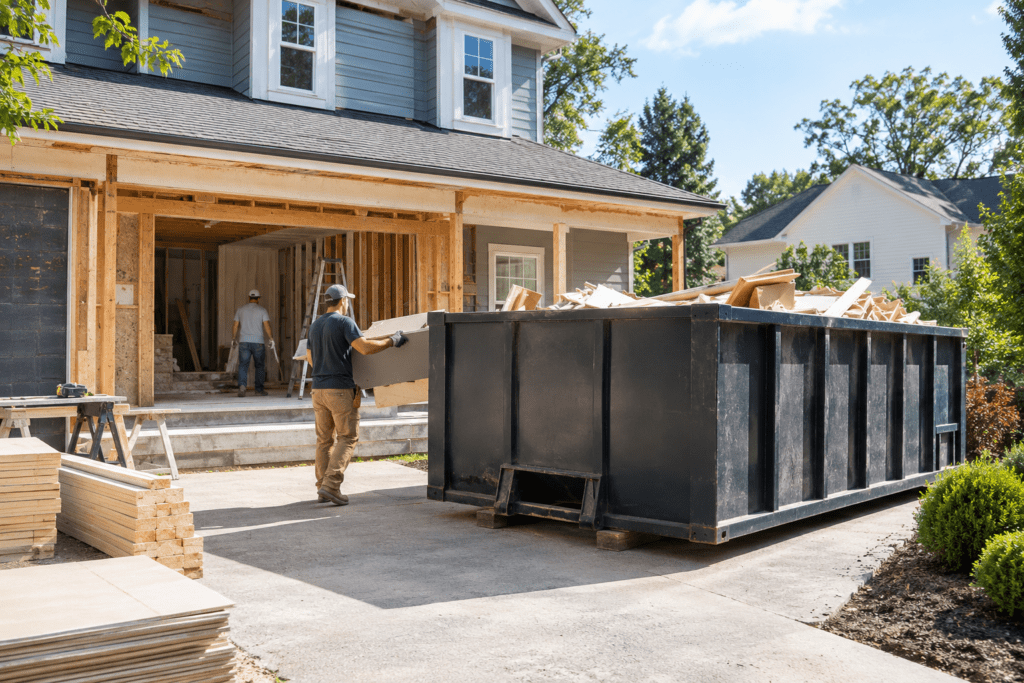
A Complete Guide to Choosing the Right Dumpster for Construction Projects and Efficient Waste Management
Construction projects can generate a significant amount of waste, from broken drywall and old flooring to lumber, roofing materials, packaging, concrete, and other debris. Managing this waste properly is essential for maintaining an organized, productive, and safer work environment. Without a clear disposal strategy, debris can quickly accumulate around the site, interfere with workers, and create unnecessary cleanup challenges. A construction dumpster rental provides a practical solution by giving contractors and property owners a designated place to collect unwanted materials throughout the project. Choosing the appropriate container requires consideration of the project size, waste type, expected volume, weight restrictions, rental period, and placement requirements. With careful planning, construction waste can be handled more efficiently, allowing workers to focus on completing the project while keeping the worksite cleaner and more organized.
Understanding Construction Waste Management
Construction waste management involves collecting, sorting, transporting, recycling, and disposing of materials produced during building, renovation, remodeling, demolition, and repair projects. Every project produces a different combination of waste, so the disposal strategy should be based on the specific work being performed. A small remodeling job might generate drywall, cabinets, flooring, fixtures, and packaging, while a larger demolition project could produce substantial amounts of wood, concrete, roofing materials, and other debris. A construction dumpster rental creates a central location where workers can place waste as soon as it is removed. This can reduce scattered debris and make cleanup more systematic. Planning waste management before construction begins can also help contractors estimate the required container size and determine whether additional pickups may be necessary.
Choosing the Right Dumpster Size
Selecting the correct dumpster size is one of the most important parts of planning waste removal. Dumpsters are available in different capacities, and the appropriate size depends on the amount and type of debris expected from the project. Choosing a container that is too small can lead to overflowing waste, additional pickups, and increased costs. Selecting a container that is unnecessarily large may also result in paying for unused capacity. Contractors should estimate the amount of material that will be removed and consider how bulky the waste will be. A construction dumpster rental should provide enough capacity to accommodate the expected debris while remaining practical for the available space. Discussing the project’s scope with a rental provider can help customers select a container that better matches their needs.
Considering the Type of Construction Project
The nature of the project plays a major role in determining the appropriate waste-management solution. A kitchen renovation may generate cabinets, countertops, appliances, flooring, drywall, and packaging, while a bathroom renovation can produce fixtures, tiles, drywall, plumbing materials, and other debris. Roofing projects often produce shingles and related materials, while demolition can generate large quantities of mixed construction waste in a short period. New construction may create lumber scraps, drywall pieces, packaging, and material offcuts over several stages. A construction dumpster rental can be useful across these different project types because it provides a dedicated space for waste collection. Understanding the project’s activities and expected debris allows customers to plan container size, rental duration, and pickup schedules more accurately.
Improving Worksite Organization
A construction site can become difficult to manage when waste is allowed to accumulate in random locations. Loose debris can block pathways, interfere with equipment, and make it harder for workers to move materials safely. A dedicated dumpster creates a central disposal point and encourages workers to remove waste from active work areas. This can improve overall organization and make daily cleanup easier. When debris is placed directly into the container, workers spend less time moving waste around the property. A construction dumpster rental can therefore become an important part of the project’s daily cleanup routine. Contractors can establish simple procedures that require workers to dispose of appropriate materials in the designated container as soon as possible after demolition, installation, or other construction activities.
Supporting Worksite Safety
Construction environments can contain many potential hazards, and unmanaged debris can increase the risk of trips, cuts, falls, and other accidents. Nails, broken boards, sharp metal, damaged materials, and loose pieces can become dangerous when they are left in active work areas. Regular debris removal can help reduce clutter and create clearer pathways for workers. A construction dumpster rental provides a designated location where unwanted materials can be contained instead of being left around the worksite. However, dumpster use should always be combined with appropriate safety procedures, protective equipment, proper material handling, and regular inspections. Keeping the site organized does not eliminate every construction hazard, but responsible waste management can contribute to a cleaner and more controlled working environment.
Understanding Weight Restrictions
Dumpster capacity is measured not only by physical volume but also by the weight of the materials being disposed of. Heavy construction debris such as concrete, brick, tile, soil, and certain masonry materials can reach weight limits quickly even when a container is not completely full. Customers should discuss heavy materials with the rental provider before choosing a container. A construction dumpster rental intended for lightweight renovation debris may not be appropriate for large quantities of heavy materials. Understanding weight restrictions before loading begins can help prevent additional charges, transportation problems, and unsafe conditions. Contractors should also avoid placing materials into the dumpster simply based on available space without considering the combined weight of the contents.
Knowing What Materials Are Accepted
Not every material generated during construction can necessarily be placed in a standard dumpster. Common debris such as wood, drywall, certain flooring materials, roofing waste, and general construction debris may be accepted, but restrictions vary depending on the provider and disposal facility. Hazardous chemicals, certain paints, batteries, electronics, tires, and other specialized materials may require separate handling. Customers should ask for a clear list of accepted and prohibited materials before ordering a dumpster. A construction dumpster rental should be used according to the provider’s disposal requirements to prevent problems during pickup and processing. Contractors should also communicate these rules to workers so that restricted materials are not accidentally mixed with ordinary construction debris.
Planning Dumpster Placement
The placement of a dumpster can affect how convenient and efficient it is to use. The container should generally be positioned in an accessible area that does not interfere with construction activities, vehicle movement, pedestrian pathways, or necessary property access. The surface should also be suitable for supporting the container and allowing safe delivery and removal. Before scheduling a construction dumpster rental, customers should identify the most practical placement location and check for potential obstacles. Overhead branches, narrow entrances, gates, parked vehicles, construction equipment, and other barriers can create delivery challenges. Discussing placement requirements with the rental provider ahead of time can reduce the possibility of delays or repositioning problems.
Preparing for Delivery and Pickup
Dumpster delivery and pickup require adequate access for the service vehicle. Customers should ensure that the route to the placement area is reasonably clear and that vehicles or equipment are not blocking the intended location. The area around the container should remain accessible throughout the rental period so the provider can remove it when the project reaches the appropriate stage. A construction dumpster rental is most effective when delivery and pickup are coordinated with the project’s schedule. Customers should communicate any access restrictions or unusual site conditions before delivery. Good preparation can help ensure that the container arrives when needed and can be removed without disrupting ongoing construction activities.
Estimating the Rental Period
The rental period should be based on the expected construction schedule and the rate at which waste will be generated. A short remodeling project may require a container for only several days, while a larger renovation or construction project may need it for multiple weeks. Customers should consider demolition phases, material deliveries, installation schedules, and final cleanup when estimating how long the container will be required. When arranging a construction dumpster rental, it is useful to ask about extension policies in case the project takes longer than expected. Understanding the rental period and potential extension charges can help contractors manage the project budget and avoid unnecessary complications.
Loading the Dumpster Properly
How a dumpster is loaded can influence how efficiently its capacity is used. Large pieces of debris should be placed carefully, while smaller materials can often be positioned around them to reduce unused space. Workers should avoid throwing prohibited materials into the container and should follow all loading instructions provided by the rental company. Materials should generally remain within the permitted fill level and should not create unsafe conditions. When using a construction dumpster rental, contractors should establish clear loading procedures for everyone working on the project. Organized loading can help maximize available capacity, reduce unnecessary waste of space, and make the container safer and easier to transport when it is ready for pickup.
Avoiding Dumpster Overloading
Overloading can create safety and transportation concerns and may result in additional charges or service complications. Materials extending beyond the permitted fill level can create hazards during transportation and may require workers to remove excess debris before the container can be collected. Customers should understand the provider’s loading requirements before the project begins. If more waste is generated than originally expected, requesting an additional pickup or another container is generally better than attempting to exceed the container’s limits. Proper loading practices protect workers and transportation personnel while also helping the disposal process operate efficiently. Contractors should monitor the dumpster throughout the project and contact the provider if the expected waste volume changes significantly.
Recycling Construction Materials
Some construction materials may be suitable for recycling or reuse instead of being sent directly for disposal. Depending on available recycling facilities and provider policies, materials such as metal, clean wood, cardboard, concrete, and certain other items may have alternative processing options. Separating recyclable materials can reduce the amount of waste requiring disposal and support more sustainable construction practices. Contractors should discuss recycling options with their waste-management provider before the project begins. Planning for recycling in advance makes it easier to establish sorting procedures and prevents reusable materials from becoming mixed with unsuitable debris. Responsible material management can support environmental goals while also making the construction site more organized.
Managing Demolition Waste
Demolition projects can generate significant quantities of waste in a relatively short period. Removing walls, flooring, cabinets, fixtures, roofing, and other structures can quickly fill available disposal space. A properly planned dumpster can provide a central location for this material and help workers keep the site under control. Before demolition begins, contractors should determine which materials can be recycled, which can be placed in the container, and which require specialized disposal. A construction dumpster rental can be scheduled around the project’s demolition phases so that adequate capacity is available when large quantities of debris are removed. Planning ahead can reduce interruptions and prevent workers from having to create temporary piles of waste around the property.
Handling Remodeling Debris
Remodeling projects can produce a mixture of materials that need to be removed quickly to make space for new installations. Kitchen renovations, bathroom updates, flooring replacements, and interior remodeling can all generate drywall, cabinets, fixtures, flooring, packaging, and other debris. Because remodeling may take place in occupied properties, controlling waste is especially important. A dedicated dumpster provides a convenient disposal point and helps prevent debris from spreading into areas that are not part of the work zone. Contractors can coordinate the container with demolition and cleanup stages so that waste is removed efficiently. Good waste management can make remodeling projects easier to organize and reduce the amount of time workers spend dealing with accumulated debris.
Managing Roofing Materials
Roof replacement projects can generate substantial quantities of shingles, underlayment, damaged wood, and other roofing materials. These materials can be heavy and bulky, so contractors should determine the appropriate container before work begins. Customers should provide the rental company with information about the type and expected amount of roofing debris. A construction dumpster rental can provide a convenient location for removed roofing materials while keeping the surrounding property more organized. Contractors should also consider how materials will be transferred from the roof to the container and ensure that workers follow appropriate safety procedures. Proper coordination between roofing work and waste removal can help the project progress more efficiently.
Budgeting for Waste Disposal
Waste disposal should be included in the project’s overall budget from the beginning. Rental costs can vary depending on container size, rental duration, disposal requirements, material type, weight, and additional services. Customers should request clear pricing information and ask about potential extra charges before scheduling the service. A construction dumpster rental may be cost-effective when the container size and rental period are matched appropriately to the project. Choosing a container that is too small can lead to additional rentals, while an unnecessarily large container may increase costs without providing meaningful benefits. Comparing the total service package rather than focusing only on the advertised base price can help contractors plan more accurately.
Choosing a Reliable Rental Provider
The rental provider’s reliability can have a direct effect on how smoothly construction waste is handled. Customers should look for a provider that communicates clearly, offers suitable container options, explains accepted materials, and provides dependable delivery and pickup services. It is also helpful to ask whether scheduling can be adjusted if project timelines change. When arranging a construction dumpster rental, customers should discuss container size, weight limits, rental duration, placement requirements, prohibited materials, and pricing before confirming the order. A provider that answers questions clearly can help customers avoid misunderstandings and unexpected problems. Service quality should be considered alongside price because dependable waste removal can help keep construction schedules on track.
Preparing Workers for Waste Management
A waste-management plan works best when everyone on the construction site understands how it should be followed. Contractors should explain which materials belong in the dumpster, which items must be separated, and what loading limits need to be respected. Workers should also know where the container is located and how to access it safely. Establishing these procedures at the beginning of the project can reduce confusion and prevent prohibited materials from being placed in the container. Regularly monitoring the dumpster can help identify problems before they become serious. Clear communication between project managers, workers, and the rental provider can make waste disposal a more consistent part of the construction process.
Planning for Final Cleanup
The final stage of a construction project often produces another significant amount of waste. Packaging, leftover materials, damaged items, installation scraps, and general debris may need to be removed before the property can be considered complete. Customers should make sure the dumpster remains available until the major cleanup activities are finished. A construction dumpster rental can provide a convenient location for final debris and help prevent last-minute waste from being left around the property. Contractors should coordinate the final pickup with the project’s completion date and ensure that the container is not overloaded. Proper final cleanup can leave the property more organized and ready for its intended use.
Final Thoughts
Effective waste management is an essential part of successful construction planning. Choosing the right container, understanding weight restrictions, identifying accepted materials, planning placement, scheduling delivery and pickup, and communicating procedures to workers can make debris removal much easier. A construction dumpster rental offers a practical way to centralize construction waste and keep active work areas more organized. Whether the project involves demolition, remodeling, roofing, renovation, or new construction, having a dedicated disposal solution can reduce clutter and support more efficient cleanup. Contractors and property owners should evaluate the project’s waste volume, material types, timeline, available space, and budget before selecting a container. They should also communicate with the rental provider about any unusual materials or access concerns. With thoughtful preparation and responsible loading practices, a construction dumpster rental can become an effective part of the project’s overall waste-management strategy and help construction teams maintain a cleaner, more manageable worksite from beginning to completion.