A Buyer’s Guide To Determining Quality Running Shoes
Every run feels different when wearing the right shoes. Stride feels forced in too-stiff shoes. You will lose control if the shoes are too soft.
Thus, learning how to choose running shoes matters. The right one supports your movement and helps you run without discomfort. You must know how to choose the right running shoes.
Picking a running shoe comes with questions. Where will you run? You must consider where to run. This helps you choose good running shoes. The brooks ghosts running shoes prevent foot pain with their cushioning.
There are factors to consider in running shoes, aside from cushioning. Buyers will learn how to pick quality running shoes that support you through hundreds of miles.
Simple tips to choose the right running shoes
The right running shoe depends on your foot and running style, including:
● running terrain
● foot shape
● biomechanics
Here are a few pointers to pick the best running shoes for you.
Do not shop simply by the look
Stop shopping by simply looking at the appearance. The look and style of the shoes are less crucial than how they fit on your feet. Good-looking running shoes that are not a good fit are not comfortable to wear.
Determine the running shoe fit
The perfect time to try on running shoes to determine the fit is in the afternoon. It must be between morning and afternoon. Your feet expand by 0.5-1.0 cm. It is a good practice to buy a running shoe half a size bigger than your regular shoes.
The right running shoes feel the most comfortable. Here are the tips to test for comfort and fit:
● Try on both shoes together
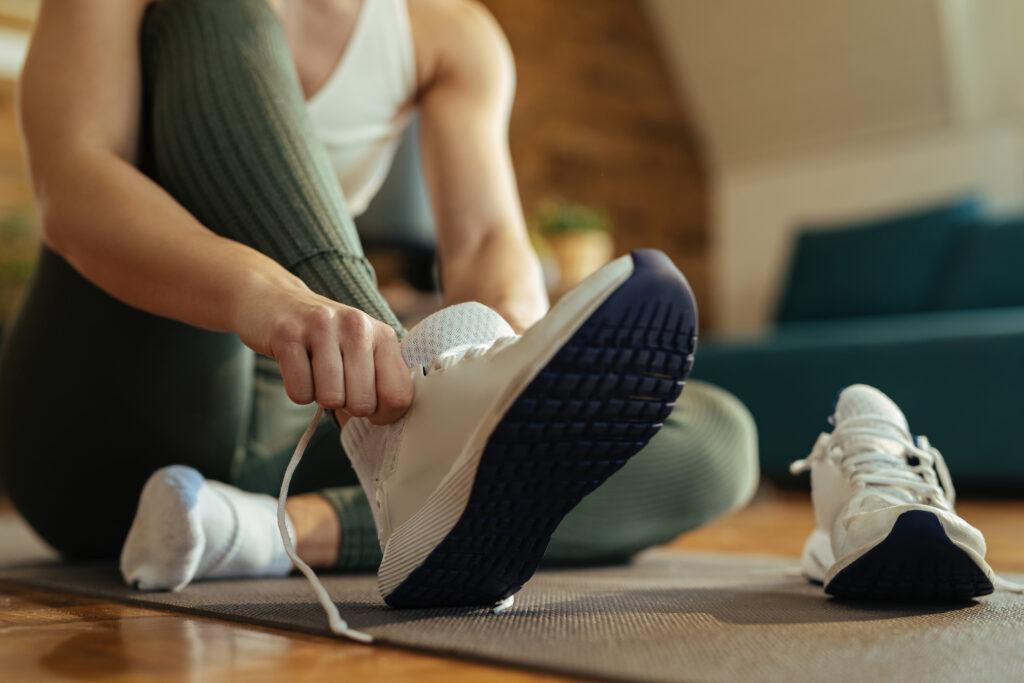
● Tie up the laces to check for mid-arch support
● Stand on one foot to test the width
● Stand on your tip-toe to check flexibility and toe room
● Lift your heel for a secure fit
● Wear running socks
Know your running style and speed
You will find the right pair of shoes based on your running style and speed. Stable running shoes provide additional support to stabilize speed and reduce load on the foot.
Consider the running terrain
Choose the right running shoes based on the running terrain.
For example:
Trail running shoes need more grip than cross-training shoes. Road running shoes need more shock absorption. Here are different types of running shoes according to the type of run:
● Trail running shoes. These shoes are for off-road runners looking for:
● durability
● protection
● grip
● Road running shoes. These shoes offer excellent comfort and long-run impact absorption, making them best for running on hard surfaces.
● Track and field shoes. These shoes support different movements:
● rapid speeds
● frequent jumps
● turns
● heavy landings
Type of activity
The right running shoes depend on the type of activity you do. How to choose running shoes is based on the following categories:
| Types of shoes | Best for |
| Speed shoes | For sprinting, racing and speed drills |
| Marathon or long-distance running shoes | For training or racing over the miles and hours |
| Daily training | For making a run part of your routine |
Pick a preferred running shoe cushion
Some runners say the right running shoes are less cushioned for more control. Other runners prefer extra cushioning for shock absorption. Three factors affect the level of cushioning in a running shoe:
● weight
● heel drop
● type of cushioning
Did you know running shoes come in different cushioning options? Here is what to know about the different cushioning in running shoes:
| Types of cushioning | Best for | Ideal activities |
| Minimal cushion | For runners who love lightweight, greater ground feel and flexible shoes | It is also good for racing, training and sprinting |
| Regular cushion | For better support and stability | It is good for overpronators |
| Maximum cushion | For a softer landing and energetic, bouncy rebound | Good for beginners and long-distance runners |
Cushioning is needed in running shoes
The right cushioning needed in running shoes depends on the comfort preference. Running shoes with more cushioning work well for:
● longer distances
● impact protection
Less cushioning is more responsive. It feels lighter for faster or shorter runs.
FAQs
How to choose running shoes?
You must identify where you plan to run. Focus on the comfort and support of the shoes to prevent foot pain. Neutral running shoes are good for those first timers looking for good shoes. They have balanced cushioning to step comfortably. The right fit must be secure. It does not have to have tight pressure points.
Are tight or loose running shoes better?
Running shoes must feel snug. It must not be tight. There must be about a thumb’s width of space. Measure it from the longest toe up to the front edge of the shoe. The heel must stay secure without slipping. Your toes should move freely.
Are running shoes used in the gym?
The cross-training shoes work for short runs. But they are not for consistent long-distance running.
Dedicated running shoes offer the following:
● better cushioning
● flexibility
● impact absorption
How to know if you need a stability or neutral running shoes?
Stability shoes provide extra support if your foot rolls inward excessively while running. Neutral shoes are best for you if your foot movement feels balanced and natural.