Exploring Chevrolet Safety Technology for Busy Texas Interstate Driving
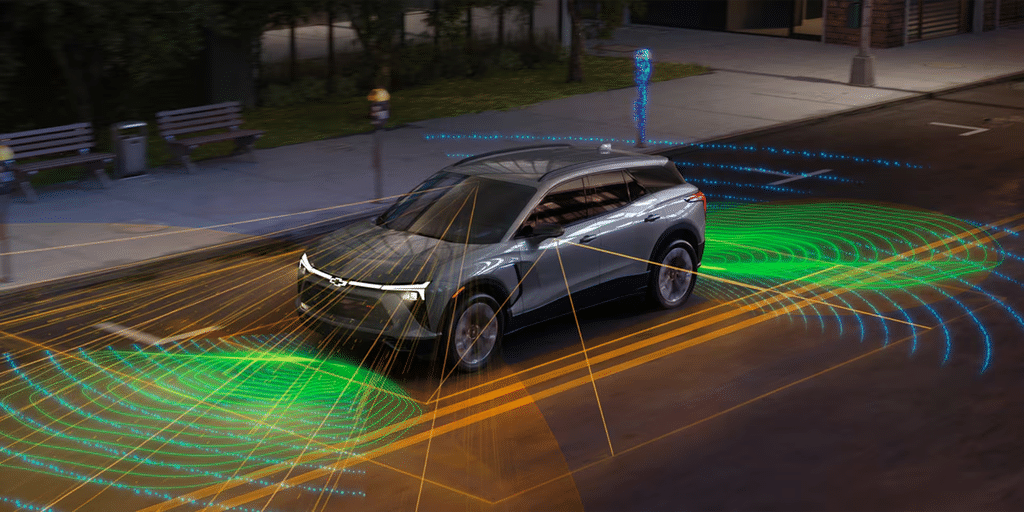
Driving on Texas interstates can involve heavy traffic, high speeds, frequent lane changes, and long stretches of highway. Staying alert and maintaining a safe distance from other vehicles are essential, but modern driver-assistance technology can provide additional support. Chevrolet offers several available safety and driver-assistance features designed to help drivers monitor their surroundings and respond to potential hazards. Understanding these technologies can help motorists make informed decisions when comparing vehicles. Drivers exploring available models and equipment can learn more through Chevrolet Texas.
Forward Collision Alert Helps Drivers Recognize Risks
Forward Collision Alert is designed to warn drivers when the vehicle may be approaching another vehicle too quickly. Depending on the Chevrolet model and configuration, the system can use sensors or cameras to monitor traffic ahead and provide a visual or audible warning when a potential collision risk is detected.
This feature can be useful on busy interstates, where traffic may suddenly slow because of congestion, construction, or an unexpected incident. A timely alert can encourage the driver to pay attention and take appropriate action.
Forward Collision Alert does not replace attentive driving or guarantee collision prevention. Drivers must continue monitoring traffic and maintain a safe following distance.
Automatic Emergency Braking Can Provide Added Support
Some Chevrolet vehicles offer Automatic Emergency Braking, which may apply braking when a potential front-end collision is detected and the driver does not respond sufficiently. The system is intended to help reduce the severity of certain collisions or potentially avoid them under suitable conditions.
On Texas highways, traffic can change quickly. A vehicle ahead may brake suddenly, leaving limited time for a driver to react. Automatic braking technology can provide an additional layer of assistance in some situations.
Drivers should understand the system’s operating limitations and avoid relying on it as a substitute for braking when necessary. Sensor performance can also be affected by weather, road conditions, or obstructions.
Lane Keep Assist Helps Monitor Lane Position
Long interstate journeys can become tiring, particularly when drivers travel through repetitive highway scenery. Available Lane Keep Assist with Lane Departure Warning can help drivers recognize unintended lane movement.
Depending on the vehicle, the system may provide an alert and gentle steering assistance when it detects that the vehicle is drifting out of a marked lane without an apparent turn signal. This can be useful when traveling on clearly marked highways.
Lane assistance is not designed to steer the vehicle continuously or replace the driver’s responsibility. Drivers should keep their hands appropriately positioned on the steering wheel, check mirrors, and look for vehicles in adjacent lanes before changing direction.
Blind Zone Alerts Support Safer Lane Changes
Busy Texas interstates often require drivers to change lanes around slower traffic, merging vehicles, and large trucks. Blind Zone Steering Assist or available Side Blind Zone Alert features can help identify vehicles that may be difficult to see in the side mirrors.
Depending on the system, a warning indicator may appear in the side mirror when another vehicle is detected in the driver’s blind zone. Some equipped models may also provide additional steering assistance if a driver begins changing lanes while a vehicle is detected nearby.
These features can be especially helpful in dense traffic, but drivers should still check mirrors and look over their shoulders before moving into another lane.
Rear Cross Traffic Alert Helps in Parking Areas
Highway travel often includes stops at fuel stations, restaurants, shopping centers, and rest areas. When backing out of a parking space, nearby vehicles may be difficult to see because of parked cars or other obstacles.
Available Rear Cross Traffic Alert can warn drivers when traffic approaches from either side behind the vehicle. Some Chevrolet models also offer Rear Cross Traffic Braking, which may apply braking in certain situations when a potential collision is detected.
These systems can improve awareness in crowded parking areas. However, drivers should reverse slowly, check their surroundings, and use mirrors and cameras rather than relying entirely on alerts.
Adaptive Cruise Control Helps Manage Highway Following Distance
Adaptive Cruise Control is an available feature on select Chevrolet models that can help manage speed and following distance. After the driver selects a cruising speed and following gap, the system can adjust vehicle speed as traffic conditions change.
This can be convenient during longer interstate journeys, especially when traffic is moving at varying speeds. It may reduce the need for repeated manual speed adjustments and help maintain a more consistent gap behind the vehicle ahead.
Drivers must remain attentive and ready to brake or steer whenever necessary. Adaptive Cruise Control is a driver-assistance feature, not an autonomous driving system, and its capabilities vary by model.
High-Definition Cameras and Parking Assistance
Chevrolet vehicles may offer rear vision cameras, HD Surround Vision, and other available camera-based technologies. These systems can help drivers understand their surroundings when parking, maneuvering in tight spaces, or navigating crowded areas.
Some camera systems provide multiple viewing angles, making it easier to identify nearby obstacles. Parking assistance features may also offer alerts when the vehicle approaches an object.
Although these technologies improve visibility, cameras can have blind spots and may be affected by dirt, rain, or poor lighting. Keeping camera lenses clean and checking the surrounding area remain important habits.
Staying Safe Beyond Technology
Even advanced safety features work best when combined with responsible driving. Before entering a Texas interstate, drivers should adjust mirrors, secure passengers, check tire condition, and set navigation while parked.
Maintain a safe following distance, avoid sudden lane changes, and reduce speed when approaching construction zones or poor weather. Take breaks during long journeys to manage fatigue, and never use a handheld phone while driving.
It is also important to review the owner’s manual to understand which features are installed and how they operate. Safety equipment varies across Chevrolet models, trims, and packages.
Conclusion
Chevrolet safety technology can provide valuable assistance during busy Texas interstate driving. Features such as Forward Collision Alert, Automatic Emergency Braking, Lane Keep Assist, blind zone alerts, Adaptive Cruise Control, and advanced camera systems can help drivers recognize potential hazards and improve awareness. However, these technologies are designed to support—not replace—careful driving. By understanding available features, maintaining the vehicle, and practicing safe highway habits, motorists can approach everyday interstate travel with greater confidence.