Exploring Ford Seat Adjustment and Lumbar Support for Long-Distance Drivers
Long-distance driving can be demanding, particularly when drivers spend several hours behind the wheel without extended breaks. While engine performance, fuel efficiency, and technology often receive attention when choosing a vehicle, seating comfort is equally important. Proper seat positioning helps drivers maintain a comfortable posture, reach the controls naturally, and stay focused throughout a journey. Ford vehicles offer various seating designs and adjustment features, depending on the model and trim level, to accommodate different body types and driving preferences. Drivers comparing available options at car dealerships Wichita Falls Texas can benefit from understanding how seat adjustment and lumbar support contribute to everyday comfort. Exploring these features before selecting a vehicle can help make longer trips more manageable.
Why Proper Seat Adjustment Matters
A driver’s seating position affects more than personal comfort. It influences visibility, steering control, pedal access, and the ability to respond comfortably to changing road conditions. Sitting too close to the steering wheel may restrict movement, while sitting too far away can make it difficult to operate the pedals properly.
A well-adjusted seat allows the driver to maintain a natural posture without stretching or leaning forward. The back should remain supported, and the legs should reach the pedals comfortably while retaining a slight bend at the knees.
Seat height also plays an important role. Drivers should have a clear view of the road and dashboard without feeling cramped beneath the roof. Finding the right position can reduce unnecessary strain during extended periods of driving.
Understanding Ford Power Seat Adjustments
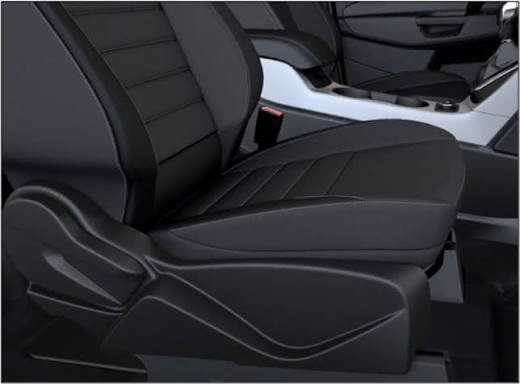
Many Ford models offer power-adjustable front seats, although availability and adjustment ranges vary by vehicle and trim. These systems typically use controls mounted on the side of the seat to change its position.
Common adjustment functions include:
- Forward and backward movement: Helps drivers find a comfortable distance from the steering wheel and pedals.
- Seat height adjustment: Raises or lowers the seating position to improve visibility and leg comfort.
- Seatback recline: Changes the angle of the backrest to provide suitable upper-body support.
- Cushion adjustments: Available on certain models to improve thigh support and accommodate different leg lengths.
Power controls make it easier to fine-tune seating positions compared with basic manual mechanisms. Drivers can make small changes until the seat feels natural and supportive.
It is important to adjust the driver’s seat while the vehicle is stationary. Moving the seat while driving can distract the driver and interfere with vehicle control.
The Role of Lumbar Support
Lumbar support focuses on the lower portion of the back, where the spine naturally curves inward. When a seat does not provide enough support in this area, drivers may find themselves slouching or repeatedly changing positions during a long journey.
Ford vehicles equipped with adjustable lumbar support allow drivers to modify the shape or firmness of the lower seatback. Depending on the system, adjustment may be controlled through a switch, lever, or touchscreen interface.
Some systems provide simple firmness adjustments, while others offer more detailed movement in different directions. Four-way lumbar support, for example, can allow drivers to change both the height and depth of the support area.
The goal is to provide comfortable contact with the lower back without creating excessive pressure. A suitable setting can help drivers maintain a more natural seated posture throughout a trip.
Finding the Right Lumbar Setting
Lumbar support is not a one-position feature that works equally well for everyone. Drivers have different body proportions, posture preferences, and comfort requirements. Taking time to adjust the setting can make a noticeable difference.
Start with a moderate level of support. Increase or decrease the firmness gradually until the lower back feels comfortably supported. If the seat has adjustable vertical positioning, move the support area until it aligns with the natural curve of the lower back.
Avoid using excessive pressure in an attempt to force the back into a particular position. The support should feel natural rather than restrictive.
Drivers should also remember that lumbar adjustment is only one part of proper seating. Seat height, cushion position, backrest angle, and steering-wheel reach should work together to create a balanced driving posture.
Additional Seat Features That Improve Comfort
Depending on the model and equipment package, Ford vehicles may offer additional features designed to improve comfort during longer journeys.
Heated front seats can provide welcome warmth in colder weather, while ventilated seating may help improve comfort in warmer conditions. These features are particularly useful for drivers who regularly experience changing temperatures.
Some Ford models and trims offer memory seat functions. These systems can store preferred seating positions, allowing drivers to return to familiar settings after another person has used the vehicle. This can be convenient for households with multiple drivers.
Certain vehicles may also offer multi-contour seating with additional adjustment options or massage functionality. Availability varies, so drivers should check the equipment details of the specific vehicle they are considering.
Choosing a Seatback Angle and Cushion Position
The angle of the seatback affects how the upper body is supported. A seat that is too upright may feel restrictive, while excessive reclining can make it harder to maintain a comfortable relationship with the steering wheel and pedals.
A moderately reclined position generally allows the driver to keep the shoulders supported while reaching the steering wheel without stretching. The head restraint should also be positioned correctly to provide appropriate support.
Cushion length and tilt can influence how much support the thighs receive. Drivers with longer legs may appreciate an adjustable cushion extension when available. Proper thigh support can help distribute pressure more comfortably during extended journeys.
When evaluating a Ford vehicle, spend enough time experimenting with these settings while parked. A brief adjustment can reveal whether the seat accommodates your body proportions.
Test Seat Comfort Before Choosing a Ford
A dealership visit provides an opportunity to experience seating features rather than relying entirely on descriptions. Sit in the driver’s seat and explore every available adjustment control.
Move the seat forward and backward, test its height range, and adjust the backrest. If lumbar support is available, try several settings to understand how it changes the lower-back area.
Check whether your feet reach the pedals comfortably and whether your arms can reach the steering wheel without locking your elbows. Make sure the head restraint is positioned appropriately.
If possible, spend several minutes in the seat rather than judging it immediately. A seat that initially feels comfortable may feel different after a longer period. Drivers should also compare different Ford models because seat designs and adjustment features can vary considerably.
Combine Good Seating Habits with Regular Breaks
Even a well-designed seat cannot eliminate every challenge associated with long-distance driving. Remaining in one position for several hours can cause stiffness and discomfort, regardless of the vehicle.
Planning regular stops gives drivers an opportunity to stand, walk, and change posture. Short breaks can help reduce the feeling of fatigue associated with extended sitting.
Before starting a journey, adjust the seat, steering wheel, mirrors, and head restraint while parked. Avoid keeping bulky objects in positions that interfere with pedal operation or seating movement.
Drivers should also pay attention to early signs of discomfort instead of waiting until they become distracting. Making safe stops and adjusting the seating position when necessary can support a more comfortable trip.
Conclusion
Ford seat adjustment and lumbar support features can make a meaningful difference for drivers who regularly travel long distances. Power seat controls, adjustable backrests, cushion positioning, and available lumbar systems help accommodate different body types and comfort preferences. Additional features such as memory settings, heating, ventilation, and multi-contour seating may provide further convenience on selected models. The best way to evaluate these options is to test them in person and find a position that supports natural posture, clear visibility, and comfortable control access. By choosing a Ford with suitable seating features and maintaining good driving habits, motorists can make everyday commutes and extended journeys more comfortable.