A Small Travel Journal Built Around Everyday Details
A memorable travel video does not need to summarize an entire destination. Often, the most convincing record of a weekend is a collection of ordinary details: the sound of a door opening, light crossing a breakfast table, or a familiar street seen from a different direction. Building a short journal around those details gives the viewer something specific to notice. It also gives the person making the video a manageable project, with room to enjoy the trip instead of treating every hour as a production assignment.
Choose a question before choosing a camera
Begin with one question that the finished piece can answer. What made this neighborhood feel welcoming? How did the city change between morning and evening? What did a rainy afternoon make possible? These questions suggest a sequence without requiring a script for every moment. Write the question in a notebook and keep it nearby. When deciding whether to record another scene, ask whether it adds a useful detail or simply repeats something already captured.
A narrow subject also makes the editing stage less intimidating. A video about one walk can have a clear beginning, middle, and ending, while a video about an entire city can become a long catalogue. The smaller story leaves space for atmosphere. A kettle, a bus stop, and a quiet courtyard can carry more meaning when the viewer understands why those moments belong together.
Collect a balanced set of observations
Think in three distances. A wide view establishes where the action takes place. A medium view shows a person moving through that environment. A close view brings attention to a texture or gesture. Recording all three does not require elaborate equipment. Standing still, checking the frame edges, and allowing a moment to unfold can improve a simple phone recording more than an additional accessory.
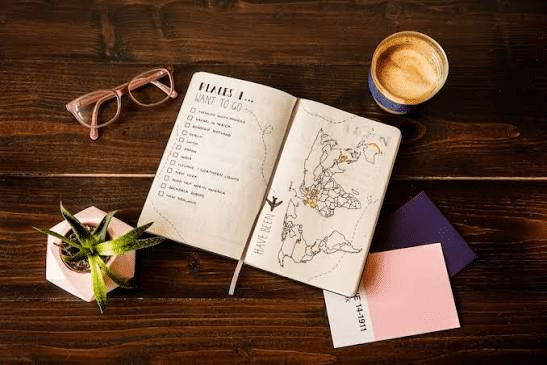
For a short journal, make a modest list of possible scenes before leaving. Include an arrival, a transition, a small discovery, and a departure. Leave several spaces blank for surprises. The list should guide attention rather than dictate experience. If a location is busy or uncomfortable, move on. A different corner or a quieter time may suit the story better than a crowded landmark that requires constant waiting.
Use sound as part of the memory
Sound can explain a place even when the image is simple. Record a few seconds of clean ambient audio when it is safe and appropriate: footsteps on a covered walkway, leaves moving in a garden, or distant traffic after a shower. Avoid recording private conversations. When permission is needed, ask first, and accept a refusal without trying to capture the same person from another angle.
Keep brief notes about where each sound was recorded. During editing, those notes help prevent an accidental mismatch between an image and its atmosphere. If additional ambient audio is added later, use material that is licensed for the intended audience and platform. Lower its level when an environmental sound matters. Constant background audio can flatten the differences between scenes that would otherwise have their own character.
Plan imagined transitions with clear boundaries
Sometimes a journal benefits from a storyboard before any final sequence is assembled. A creator might sketch an opening shot, test the pacing of an imagined transition, or compare several visual moods. When considering an AI video tool such as Wan 3.0, keep that planning exercise separate from the factual record of the journey. Generated imagery should not be presented as evidence that a real event happened or that a particular location looked a certain way.
A useful planning note states what an imagined image is meant to do. It might suggest a gentle change in color, a slower rhythm, or a symbolic closing frame. That purpose can often be achieved with an original recording instead. Compare the alternatives on clarity, consent, and relevance. If synthetic material remains in the finished piece, label it in a way that viewers can understand without searching through hidden production notes.
Edit for a person who was not there
Place a few promising clips on a timeline and watch them without explanation. Does the opening establish the setting? Can a viewer understand how one moment leads to the next? Remove clips that require a long spoken justification. A short caption can supply a date or neighborhood name, but captions should support the sequence rather than rescue a confusing structure. Avoid adding precise historical claims unless they have been checked against a reliable source.
Give each shot enough time to register. Rapid cutting can feel energetic, but it may conceal the small observations that made the trip worth remembering. Let the strongest image breathe, then move on before it becomes repetitive. A simple cut is often sufficient. Consistent framing and a thoughtful order usually make a sequence feel coherent without elaborate visual effects.
Keep an honest and useful archive
Before sharing the video, review it for faces, addresses, tickets, and other details that could reveal more than intended. Check any location names and remove information that would compromise someone else’s privacy. Save an original copy alongside the edited version, and use descriptive filenames so the material can be found later. A folder labeled with a date and a brief place name is easier to revisit than a collection of anonymous exports.
Finally, write a few sentences about what the video leaves out. Perhaps the best conversation was never recorded, or the most peaceful hour happened after the camera was put away. Those omissions are part of a travel journal too. The goal is a considered keepsake that preserves attention, rather than a complete inventory of experiences. When the story has one clear question and a handful of honest details, a small video can remain meaningful long after the weekend ends.
A practical final review can be done on a different screen from the one used for editing. Watch once with sound, then once without it. Small captions should remain readable, and the story should still make sense when a viewer misses a sentence. Ask a trusted friend what they remember after a single viewing. Their answer may reveal that a quiet detail is stronger than the intended centerpiece. Make only the changes that improve understanding, then keep a finished version. Endless adjustment can erase the spontaneity that made the original observations feel personal and worth saving in the first place.