Beyond Appearance: Understanding the Health Risks Associated With Varicose Veins
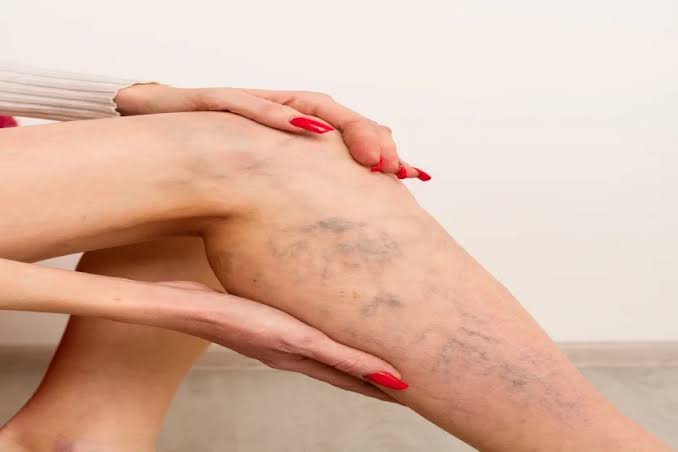
Varicose veins are often viewed as a cosmetic concern because of their noticeable appearance beneath the skin. These enlarged, twisted veins commonly develop in the legs and may appear blue, purple, or dark in color. While some people experience little discomfort, others deal with pain, swelling, heaviness, and other symptoms that affect their daily activities.
Understanding varicose veins requires looking beyond their appearance. They can sometimes indicate problems with blood circulation and may lead to complications when left untreated. Recognizing the warning signs and understanding available treatment options can help people take better care of their vein health.
For individuals in Central Florida, those looking to see a trusted vein specialist in Winter Haven can explore the services available at Vein321. A professional consultation can help evaluate symptoms, identify possible vein conditions, and discuss treatment options based on individual needs.
What Causes Varicose Veins?
Veins are responsible for carrying blood from different parts of the body back toward the heart. In the legs, this process works against gravity, so veins rely on small one-way valves to keep blood moving in the right direction.
When these valves become weak or damaged, they may not close properly. As a result, some blood flows backward and collects inside the veins. This increases pressure within the blood vessels, causing them to become enlarged and twisted.
Several factors can increase the likelihood of developing varicose veins. Age is one common factor because vein walls and valves may become weaker over time. Family history also plays an important role, as people with relatives who have varicose veins may have a higher risk.
Pregnancy can increase pressure on the veins because of changes in blood volume and hormonal activity. Excess body weight, prolonged sitting or standing, and limited physical activity may also contribute to increased pressure in the leg veins.
Although these factors can increase risk, varicose veins can develop in people with different lifestyles and health backgrounds.
Common Symptoms That Should Not Be Ignored
The appearance of enlarged veins is not the only sign of a possible vein problem. Some symptoms may develop gradually and become more noticeable as the condition progresses.
Leg Pain and Heaviness
People with varicose veins may experience aching, throbbing, or a heavy feeling in their legs. These symptoms often become more noticeable after standing or sitting for extended periods.
The discomfort may improve when the legs are elevated or after resting. However, recurring pain or heaviness should not automatically be dismissed as ordinary tiredness.
Swelling Around the Ankles and Feet
Swelling is another common symptom associated with vein problems. It often develops around the ankles and lower legs, particularly toward the end of the day.
When blood does not move efficiently through the veins, pressure can increase and contribute to fluid accumulation in surrounding tissues.
Persistent or worsening swelling deserves medical attention, especially when it occurs alongside visible varicose veins.
Itching and Skin Changes
The skin around affected veins may become itchy, dry, irritated, or discolored. Some people develop brownish pigmentation around their lower legs because of changes associated with chronic venous pressure.
These skin changes can indicate that the underlying circulation problem requires further evaluation.
Nighttime Leg Cramps
Some individuals experience muscle cramps, particularly during the night. Although leg cramps can have several possible causes, recurring discomfort alongside other varicose vein symptoms may warrant a professional assessment.
Potential Health Risks of Untreated Varicose Veins
Not everyone with varicose veins develops serious complications. However, persistent vein problems can sometimes affect the surrounding skin and tissues, making early recognition important.
Chronic Venous Insufficiency
Chronic venous insufficiency occurs when the veins have difficulty moving blood efficiently back toward the heart. It is commonly associated with poorly functioning vein valves.
Over time, increased pressure inside the veins can contribute to swelling, discomfort, skin changes, and other symptoms. Varicose veins may be one visible sign of an underlying venous circulation problem.
Skin Ulcers
Long-term pressure within the leg veins can damage the surrounding skin and tissues. In more advanced cases, this may lead to venous leg ulcers.
These open sores commonly develop around the lower legs or ankles and can take a long time to heal. They may also become infected if not properly managed.
A wound that does not heal within two weeks should be evaluated by a healthcare professional.
Blood Clots
Blood clots can sometimes develop in veins affected by varicose veins.
Superficial vein thrombosis occurs when a clot forms in a vein close to the surface of the skin. It may cause localized pain, redness, warmth, and a hard or tender area along the vein.
Deep vein thrombosis, commonly known as DVT, involves a blood clot in a deeper vein, usually in the leg. It is a more serious condition because the clot can potentially travel to the lungs and cause a pulmonary embolism.
Sudden swelling or pain in one leg, especially when accompanied by warmth or redness, requires prompt medical assessment. Sudden shortness of breath, chest pain, coughing up blood, or fainting may indicate a pulmonary embolism and requires emergency medical care.
Bleeding From Varicose Veins
Because enlarged veins are located close to the skin’s surface, they can sometimes bleed following a minor injury or even without an obvious injury.
Bleeding from a varicose vein should be treated as a medical emergency. Apply firm, direct pressure to the area, elevate the affected leg if possible, and seek emergency medical assistance.
How Are Varicose Veins Diagnosed?
A proper diagnosis helps determine whether visible veins are associated with an underlying circulation problem.
The evaluation usually begins with a physical examination and a discussion about symptoms, medical history, family history, and lifestyle habits.
A healthcare professional may recommend a duplex ultrasound examination. This non-invasive imaging test uses sound waves to assess blood flow through the veins and identify problems such as faulty valves or backward blood flow.
Ultrasound findings help determine the extent of the condition and guide decisions about suitable treatment options.
An accurate assessment is important because not every visible vein requires the same approach.
Available Treatment Options
Treatment depends on the severity of symptoms, the underlying cause, and the individual’s overall health. Some people may benefit from lifestyle changes, while others may need medical procedures to address the affected veins.
Compression Therapy
Compression stockings apply controlled pressure to the legs, helping improve blood flow and reduce swelling. They may also help relieve symptoms such as heaviness and discomfort.
The appropriate compression level should be determined with professional guidance, particularly for people who may have problems with arterial circulation.
Compression can help manage symptoms, but it does not repair damaged vein valves.
Sclerotherapy
Sclerotherapy involves injecting a special solution into the affected vein. The solution causes the vein to close, allowing blood to flow through healthier surrounding veins.
It is commonly used for smaller varicose veins and spider veins. The suitability of the procedure depends on the size and location of the affected veins.
Endovenous Laser and Radiofrequency Ablation
These minimally invasive procedures use heat to close problematic veins from the inside.
A small catheter is guided into the affected vein, usually with ultrasound assistance. Laser or radiofrequency energy is then used to seal the vein.
Once the treated vein closes, blood is redirected through other functioning veins. These procedures are commonly performed without the recovery period associated with traditional vein surgery.
Ambulatory Phlebectomy
Ambulatory phlebectomy involves removing smaller varicose veins through tiny skin openings. It may be recommended for veins located close to the surface.
The procedure is generally performed using local anesthesia, and patients can often return to regular activities relatively quickly, depending on the treatment plan.
A vein specialist can explain the benefits, risks, and recovery expectations of each option.
The Importance of Seeking Professional Vein Care
Ignoring persistent leg discomfort or visible vein changes can delay the identification of an underlying circulation problem. Although varicose veins are not always dangerous, a professional evaluation can help determine whether treatment is necessary.
People experiencing recurring pain, swelling, itching, skin discoloration, or other unusual symptoms should consider scheduling an assessment.
Choosing an experienced provider is important when dealing with vein-related concerns. Patients should feel comfortable asking about diagnostic procedures, treatment methods, potential complications, and expected outcomes before making a decision.
Everyday Habits That Support Better Vein Health
Professional treatment is only one part of managing vein health. Everyday lifestyle choices can also help improve circulation and reduce unnecessary pressure on the lower legs.
Regular walking and moderate physical activity encourage the calf muscles to contract, helping move blood upward toward the heart.
Avoiding prolonged sitting or standing is another useful habit. People who spend long hours at a desk or on their feet can benefit from changing positions regularly and taking short movement breaks.
Elevating the legs while resting may help reduce swelling and discomfort. Maintaining a healthy weight can also reduce pressure on the veins.
Smoking cessation and a balanced lifestyle support overall cardiovascular health. People with existing vein conditions should discuss suitable exercise and management strategies with their healthcare provider.
When Should You See a Vein Specialist?
Knowing when to seek professional care can make a difference in identifying and managing vein conditions.
An evaluation is recommended when varicose veins are accompanied by persistent pain, heaviness, swelling, itching, or changes in skin color. Wounds that are slow to heal also require medical attention.
Sudden leg swelling, warmth, redness, or significant pain should be assessed urgently because these symptoms can have several causes, including blood clots.
Bleeding from a varicose vein requires emergency medical attention. Similarly, symptoms such as sudden chest pain or difficulty breathing should never be ignored.
Early evaluation can help identify the underlying problem and provide an opportunity to discuss appropriate treatment before complications develop.
Final Thoughts
Varicose veins are more than a cosmetic concern for some individuals. Although many cases do not lead to serious complications, persistent vein problems can contribute to swelling, skin changes, ulcers, and blood clots.
Understanding the causes, recognizing warning signs, and seeking professional advice are important steps toward protecting long-term vein health.
With appropriate diagnosis, suitable treatment, and healthy daily habits, people can manage vein-related symptoms and maintain better circulation. Paying attention to changes in the legs today can help prevent more serious problems in the future.