One Missing Tooth, One Important Decision: How Single Tooth Implants Can Restore More Than Just Your Smile
A missing tooth can seem like a small problem when viewed in isolation. Perhaps it is hidden towards the back of the mouth, or its absence is barely noticeable when someone smiles. Yet teeth are remarkably interconnected, and losing even one can gradually influence how a person chews, speaks and maintains the balance of their bite. What initially appears to be a cosmetic concern can become a much broader conversation about oral health, comfort and long-term dental function.
Modern restorative dentistry offers several ways to address tooth loss, but single tooth implants have become an important option for patients seeking a replacement that looks and functions much like a natural tooth. Beyond filling an empty space, an implant can help preserve the structure of the surrounding smile while offering a stable foundation for a replacement crown.
The decision, however, deserves more consideration than simply choosing the most natural-looking solution. Understanding the treatment process, available technologies and recovery expectations can help patients approach tooth replacement with greater confidence.
Why Replacing One Missing Tooth Matters
Natural teeth work together as a coordinated system. Each tooth contributes to biting, chewing and maintaining the position of neighbouring teeth. When one disappears, the surrounding structures can gradually respond to the change.
Adjacent teeth may begin drifting towards the empty space, while the opposing tooth can sometimes move further out of its original position. These changes may affect bite alignment and create areas where food and plaque are more difficult to remove.
Tooth loss can also influence the jawbone. Natural tooth roots stimulate the surrounding bone during everyday chewing. Following extraction, that stimulation is reduced, and the bone in the affected area may gradually shrink.
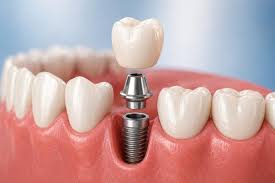
A single tooth implant addresses this concern differently from a conventional dental bridge. Rather than relying on neighbouring teeth for support, an implant is placed within the jawbone and acts as an artificial tooth root. Once adequately integrated with the bone, it can support an individually designed dental crown.
This approach can restore chewing function and appearance without routinely requiring the adjacent teeth to be reshaped.
The Science Behind Single Tooth Implants
A dental implant is commonly made from biocompatible titanium, although other materials, including zirconia, may be suitable in selected circumstances. After placement, the implant undergoes a biological process known as osseointegration.
During this process, bone gradually forms a close connection with the implant surface, providing the stability required to support a replacement tooth.
Once healing and integration have progressed sufficiently, an abutment is connected to the implant. This component supports the final crown, which is designed to complement the surrounding teeth in shape, colour and proportion.
The result is an independent tooth replacement that can function within the existing bite.
However, implant suitability depends on several considerations, including bone volume, gum health, medical history, smoking habits and oral hygiene. Some patients may require bone grafting or other preparatory procedures before implant placement.
A comprehensive examination is therefore essential before treatment begins.
What to Expect Before, During and After Surgery
For many patients, uncertainty about the procedure is more concerning than the treatment itself. Understanding the general stages can make the experience less intimidating.
Before surgery, the dentist or implant specialist examines the mouth, reviews relevant medical information and assesses the condition of the jawbone. Treatment options, expected costs, possible complications and the estimated timeline should be discussed before proceeding.
During implant placement, local anaesthesia is commonly used to minimise discomfort. The clinician prepares the implant site and places the fixture into the jawbone. Depending on the individual case, a temporary restoration may or may not be appropriate.
The healing period varies. Some implants can support earlier restoration, while others require several months for adequate osseointegration before the final crown is attached.
Understanding what to expect after single tooth implant surgery is particularly important because recovery is a gradual process rather than an immediate return to normal.
Patients may experience temporary swelling, tenderness, minor bleeding or bruising following surgery. These symptoms generally improve as healing progresses, although the duration and severity vary.
Following the dentist’s postoperative instructions is essential. Common recommendations include:
– Eating softer foods during the initial recovery period.
– Avoiding smoking, which can interfere with healing.
– Keeping the surgical area clean according to professional instructions.
– Avoiding strenuous physical activity during the early recovery period if advised.
– Taking prescribed or recommended medication as directed.
– Attending follow-up appointments to monitor healing.
Increasing pain, persistent bleeding, significant swelling, fever or other unexpected symptoms should be reported promptly to the treating dental professional.
How Digital Dentistry Is Changing Treatment Planning
One of the most significant developments in modern implant dentistry is the growing use of digital imaging. Instead of relying exclusively on traditional impressions and two-dimensional X-rays, dental professionals can now combine advanced imaging technologies to build a more detailed understanding of a patient’s oral anatomy.
This is where 3D dental scanning is transforming treatment planning.
Cone beam computed tomography (CBCT) provides three-dimensional images of the jawbone and surrounding anatomical structures. These images help clinicians assess bone dimensions, locate important structures and evaluate potential implant positions.
Digital intraoral scanners can also capture detailed representations of the teeth and surrounding tissues. When combined with CBCT imaging, these records can help create a comprehensive digital treatment plan.
Using specialised software, clinicians can assess the proposed implant position in relation to the final crown. This restorative-driven approach is important because an implant must not only fit within the available bone but also support a functional and aesthetically appropriate replacement tooth.
In suitable cases, computer-guided surgery can translate the digital plan into a customised surgical guide that assists with implant positioning.
These technologies support greater planning detail, although they do not guarantee perfect outcomes or eliminate surgical risks. Clinical judgement and professional experience remain essential.
Aesthetic Confidence and Everyday Function
The value of replacing a missing tooth extends beyond its appearance. A well-planned implant restoration can help patients regain confidence when speaking, smiling and eating.
Unlike removable appliances, an implant-supported crown is fixed in place and does not need to be removed for everyday activities. Its independent support can also help preserve the structure of neighbouring teeth by avoiding the preparation commonly required for a traditional bridge.
Nevertheless, implants are not maintenance-free. They require consistent brushing, cleaning between teeth and regular professional examinations. The surrounding gums can develop inflammation, and untreated problems may progress to peri-implantitis, a condition involving inflammation and bone loss around an implant.
Long-term success therefore depends on more than the quality of the original surgery. Daily care and ongoing monitoring remain fundamental.
One Tooth, A Long-Term Perspective
Choosing how to replace a missing tooth is an individual decision shaped by health requirements, personal preferences, budget and clinical suitability. Dental implants can provide an effective and durable solution for many patients, but bridges and removable restorations may also be appropriate alternatives.
The most important step is understanding the consequences of leaving a missing tooth untreated and exploring the available options with a qualified dental professional.
A single missing tooth may occupy only a small part of the mouth, but its replacement can have a meaningful influence on everyday life. With thoughtful planning, modern imaging and appropriate clinical care, single tooth implants offer more than an opportunity to recreate a natural-looking smile. They offer a way to restore function, protect oral health and move forward with greater confidence.