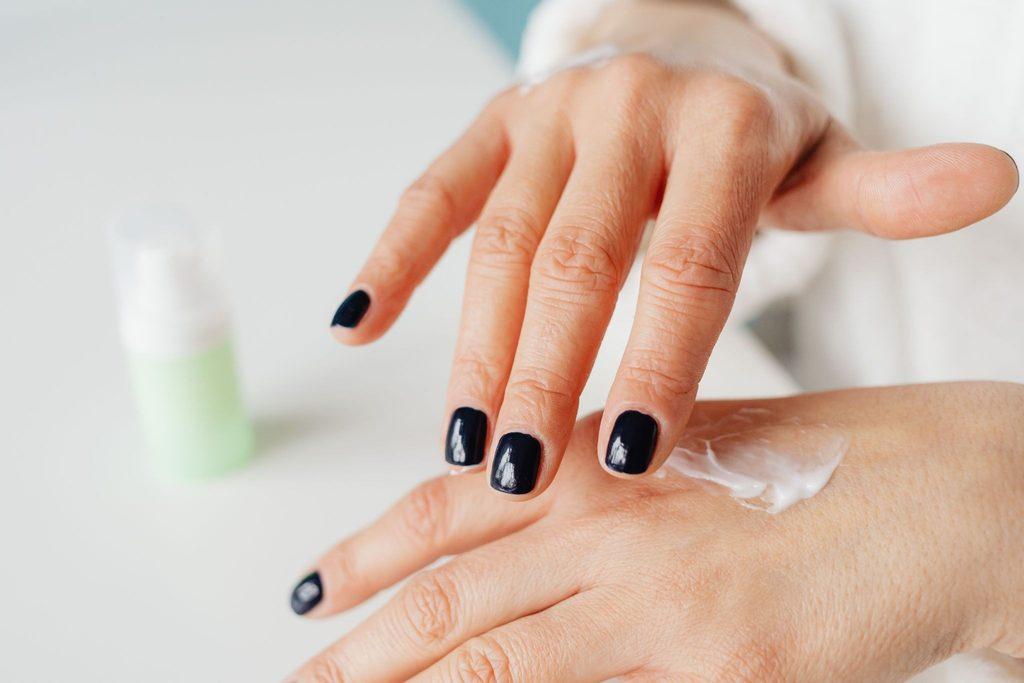
Why Real Hand Luxury Comes Down To Clinical Barrier Repair, Not $90 Perfume Tubes
Walk into any high-end beauty hall and look at the hand creams lined up on marble counters. Most of them cost between $65 and $110, come wrapped in heavy minimalist packaging, and smell like crushed fig leaves, hinoki wood, or Parisian bergamot.
Then look at the back of the tube. Behind the botanical poetry sits a base of cheap mineral oil, synthetic fragrance, and water. Ten minutes after you rub it in, your hands smell expensive—and feel just as tight, papery, and rough around the cuticles as they did before.
True luxury in hand care is how your skin feels three hours after you wash your hands, not how it smells for three minutes at the vanity.
The backs of your hands have almost no subcutaneous fat and far fewer oil glands than your face. Every time you wash with foaming soap, handle paper, grip a cold steering wheel, or step out of dry air-conditioned offices into winter wind, you strip away intercellular lipids. When that lipid mortar breaks down, moisture escapes fast. Fine crepey lines deepen, knuckles chap, and hangnails split.
The hidden flaw inside prestige department-store hand creams
Luxury beauty houses spend the bulk of their formulation budget on scent profiles and packaging weight. To keep the texture silky at first touch, many rely on high-ratio silicones or petrolatum derivatives that sit on top of dry skin like plastic wrap.
That surface slip tricks you into thinking your hands are hydrated. The moment you rinse your hands or pick up your phone, the film transfers off and the underlying dryness returns. Worse still, concentrated essential oils and synthetic perfumes are among the top triggers for irritant contact dermatitis on already compromised skin.
Real comfort requires ingredients that mimic your skin’s own biology and rebuild what daily life strips away.
“People equate luxury hand care with rich, perfumed balms, yet fragrance and heavy waxes often mask dehydration instead of fixing it. When you combine high-percentage humectants like urea and sodium PCA with gentle lactic acid, the skin barrier actually holds onto water and feels naturally velvety.”
— Cosmetic Formulation & Skin Barrier Insight
Four clinical actives that create an effortless, velvety finish
When a hand cream is built around skin-identical actives, the texture changes completely. Instead of greasy residue that smudges touchscreens or leaves oily prints on glassware, you get rapid absorption and lasting suppleness.
Look for these four powerhouse components when upgrading your daily hand ritual:
- 10% Urea to soften rough keratin. Urea is part of your skin’s natural moisturising factor. At 10% strength, it draws water deep into parched skin cells while gently loosening hardened patches around knuckles and thumb pads.
- Sodium PCA for long-lasting water retention. Working alongside urea, sodium PCA binds moisture inside the upper layers of the epidermis so your hands stay comfortable through repeated handwashing.
- Natural Lactic Acid (AHA) to polish dull texture. Rather than leaving dead, flaky cells trapped under heavy wax, mild alpha-hydroxy acids dissolve dull buildup so skin looks brighter and smoother.
- Vitamin E and Dimethicone for a weightless protective shield. Antioxidants calm environmental stress while a breathable, non-greasy barrier locks hydration in without feeling sticky.
For anyone whose hands take a beating—from ceramicists and florists to nurses, chefs, and city commuters—formulations engineered for tough hands deliver the exact sensory payoff people hope to find in prestige spas. Australian-made DU’IT Tough Hands pairs 10% Urea with natural AHAs, Vitamin E, and sodium PCA to boost skin hydration by 84.5% and keep skin moisturised for up to 24 hours, with visible softening in just 1 day. It skips parabens, petrolatum, mineral oil, lanolin, and propylene glycol, leaving behind an invisible, non-slip finish that feels like clean silk.
Why non-greasy absorption is the ultimate everyday indulgence
Think about what makes a skincare product genuinely pleasant to use five times a day.
If a cream forces you to sit with your hands hovering in the air for ten minutes before you can type on a laptop, turn a brass doorknob, or hold a silk scarf, you stop reaching for it. Functional elegance means applying an intensive treatment and immediately returning to your life with zero residue.
An effective non-greasy emulsion acts like an invisible cashmere glove. It cushions the skin against harsh dish soaps, sanitiser alcohol, and cold air while keeping your palms completely dry to the touch. If you want an extra layer of botanical indulgence for daytime desk use, sister formulas like DU’IT Tough Hands for Her build on that same barrier-repair foundation with peptides, niacinamide, and subtle extracts of rose, cherry blossom, and green tea to support elasticity and even out skin tone.
How to turn a 60-second hand routine into a daily reset
You do not need an elaborate twelve-step spa ritual to keep your hands looking rested, smooth, and youthful. Small adjustments to how you wash and protect your skin make a visible difference within a single week.
- Swap scalding water for lukewarm rinses. Hot water melts away natural surface lipids in seconds. Keep tap water tepid and use a gentle, soap-free cleanser whenever possible.
- Apply cream onto slightly damp skin. Pat your hands dry with a towel, leaving a whisper of moisture on the surface, then massage a pea-sized amount of 10% urea cream across the backs of your hands first—where skin is thinnest—before working the remainder over your palms and cuticles.
- Exfoliate rough patches once or twice a week. Before bed, buff away dry cuticle edges and dull texture with a dual-action pumice and AHA hand scrub so your barrier cream absorbs evenly.
- Do an intensive overnight seal twice a week. Apply a generous coat of 10% urea cream right before sleep. Without daytime handwashing interrupting absorption, the humectants and Vitamin E repair micro-cracks uninterrupted until morning.
What to skip on the ingredient label
When shopping for hand care that feels genuinely restorative, knowing what to leave on the shelf matters just as much as knowing what to buy.
- Heavy lanolin and raw petrolatum if you hate tacky residue or experience clogged pores around your wrists and fingers.
- High-alcohol gel creams that evaporate fast and leave skin tighter twenty minutes later.
- Strong synthetic fragrances if your knuckles ever sting, flush, or flake in colder months.
Real skin luxury has nothing to do with an inflated price tag or a loud scent trail. It is the quiet confidence of hands that feel soft, calm, and resilient from morning coffee straight through to midnight.