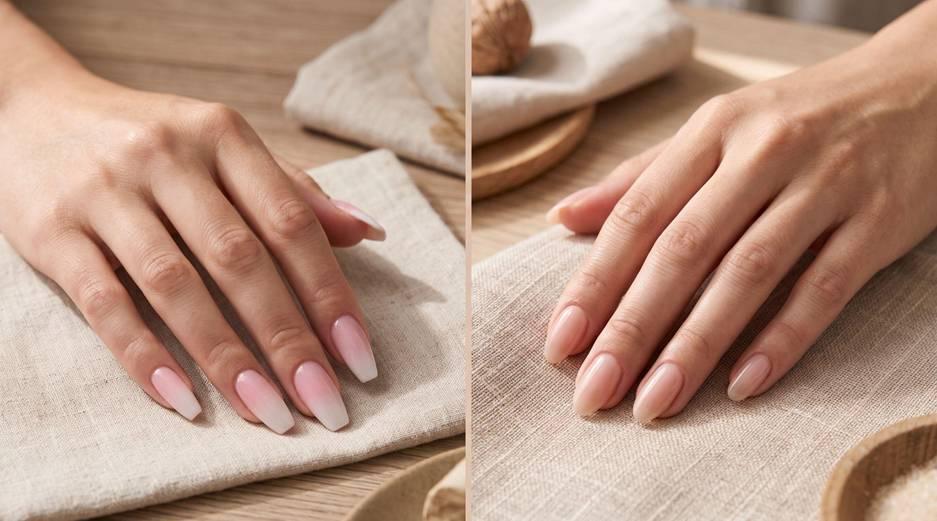
Gel-X vs. Acrylic Nails: Which Nail Extension Is Right for You?
When it comes to achieving beautifully long, durable, and flawless manicures, standard polishes can only take you so far. If you want significant length and structural strength, you have to venture into the world of enhancements. But navigating a modern salon menu can feel overwhelming. The most common debate among beauty enthusiasts looking for the ultimate manicure is gel x vs acrylic nails. Both offer stunning, head-turning results, but they rely on entirely different chemistries, application methods, and maintenance routines. Choosing the right one depends heavily on your lifestyle, your aesthetic goals, and the biological needs of your natural hands.
Decoding Traditional Method: Traditional Acrylics
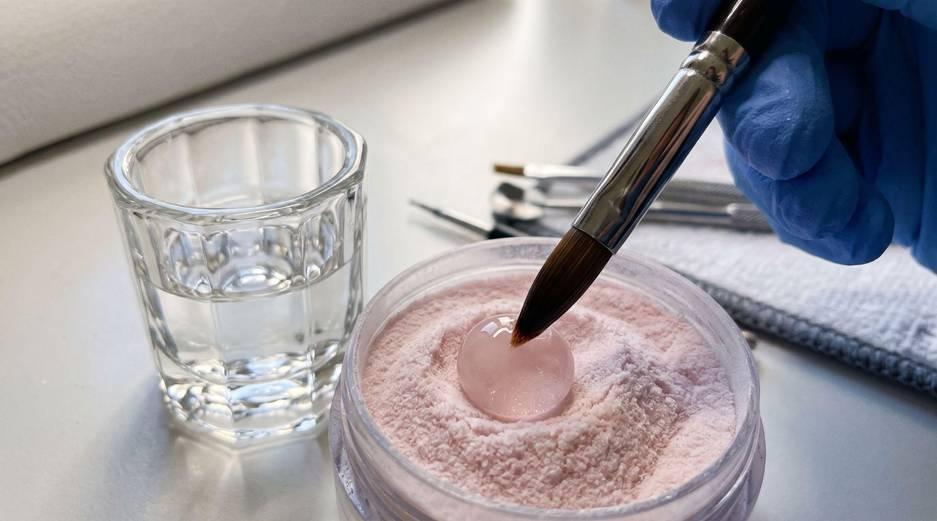
Acrylics have been the undisputed heavyweight champion of the salon industry for decades. Traditional acrylic enhancements are created by combining a liquid monomer with a powder polymer. When these two substances meet, they create a dough-like consistency that a skilled technician can mold, sculpt, and shape directly onto your natural nail or over a glued-on plastic tip.
The primary advantage of acrylics is their sheer, unbreakable strength and adaptability. Because the product is custom-sculpted from scratch, technicians can build a perfect, structurally sound apex on uneven, damaged, or heavily bitten nail beds. However, there are specific trade-offs. Acrylics are incredibly rigid. If you accidentally bang your nail against a hard surface, the enhancement will not flex, which can occasionally lead to painful breaks. Furthermore, the application process involves a strong, distinct chemical odor, and the removal often requires heavy file-based techniques that can disrupt the natural nail plate over time if not handled gently by a professional.
Understanding Modern Invention: Soft Gel Overlay Extensions
Enter the modern revolution in nail technology: soft gel enhancements, most commonly recognized by the brand name Gel-X. Unlike acrylics, these are pre-formed, full-coverage tips made entirely out of porous soft gel. They are adhered to the natural nail using a specialized gel adhesive and cured instantly under an LED/UV light.
This system has skyrocketed in popularity because it delivers a consistently flawless, natural, and lightweight look. Since the tips are pre-sculpted in various shapes—such as almond, coffin, or squoval—the results are structurally uniform every single time. They are also incredibly flexible, meaning they absorb shock much better than rigid acrylics, reducing the risk of painful snapping during daily tasks.
When learning about modern nail chemistry, understanding the difference between gel and regular polish is key. Just as gel polish cures into a flexible, porous polymer rather than air-drying like standard lacquer, soft gel extensions rely on light-cured polymerization. This porous nature means they can be 100% soaked off safely in pure acetone, preserving the integrity and health of the natural nail underneath.
The Core Comparison: Face-to-Face Performance
To truly understand the difference between Gel-X and acrylic, we need to look at how they perform in real-world salon scenarios across three major categories: application, aesthetics, and maintenance.
Application Process The sensory experience between the two is vastly different. Acrylic application is known for its strong odor due to the liquid monomer, and it requires extensive filing, shaping, and buffing by the technician to achieve a smooth final look. Soft gel systems, on the other hand, are completely odorless. Because they are pre-shaped and rely on a quick LED flash cure to bond to the nail plate, the application process is generally much faster and requires very little surface filing.
Aesthetic & Fit If you are searching for the best artificial nails for a hyper-realistic, minimalist aesthetic, soft gel is usually the clear winner. They lay perfectly flush against the cuticle line and have a thinner profile that beautifully mimics a natural nail. Acrylics tend to have a thicker, more structured profile, which is excellent for carrying heavy 3D nail art or extreme, editorial lengths, but they can look slightly bulkier for everyday wear.
Lifespan & Maintenance Both enhancements will comfortably give you 3 to 4 weeks of durable wear. The divergence happens at your maintenance appointment. With acrylics, you go in for a “fill”—the technician files down the old color and fills the new growth at the cuticle base with fresh acrylic dough. With soft gel extensions, the industry standard is to completely soak them off and apply a brand-new, fresh set. This prevents trapped moisture, guarantees hygiene, and ensures the structural apex remains perfectly placed over your natural nail bed.
Choosing the Winner: Assess Your Lifestyle
So, when comparing gel x vs acrylic nails, which one takes the crown? The answer lies in your daily routine and the current state of your natural hands.
If you are a frequent traveler, someone who uses their hands heavily for typing, or a client prioritizing the health of your natural nail plate above all else, soft gel extensions are your ideal match. Their flexibility, lightweight feel, and gentle soak-off removal make them perfect for modern, fast-paced lifestyles. They offer length and elegance without the heavy commitment of rigid sculpting.
Conversely, if you work in an intense, hands-on environment where extreme, unyielding durability is required, or if your natural nails are severely damaged, scooped, or bitten, acrylics might be necessary. The custom-sculpting ability of acrylic allows a technician to literally rebuild the architecture of a compromised nail bed. If you fall into this category, searching for a highly-rated acrylic nail salon near me that prioritizes salon hygiene and careful, unhurried application is crucial to protecting your hands.
Conclusion & South Florida Booking
Ultimately, both systems can deliver stunning, long-lasting results when placed in the hands of a skilled, educated nail artist. The key is finding an environment that prioritizes your comfort, uses premium products, and tailors the service to your unique anatomical needs.
If you are located in Fort Lauderdale, Florida, and are ready to experience the pinnacle of modern nail care, skip the DIY kits and fast-paced walk-in shops. Whether you want to try the lightweight durability of full-coverage soft gel extensions, or you simply want to book a flawless, long-lasting manicure for your natural nails, trusting dedicated professionals at a luxury nail salon ensures your hands remain as healthy as they are beautiful.
Frequently Asked Questions
Q: Which nail extensions cause the least natural damage? A: Soft gel full-coverage systems are widely considered gentler on natural nails because they do not require heavy filing during prep or aggressive scraping during removal. Since they are porous, they can be entirely soaked off in acetone, minimizing physical stress on your natural keratin. However, any extension is safe when properly applied and removed by an experienced technician.
Q: Can you perform a “fill-in” on Gel-X extensions, or must they be removed every time? A: While some clients ask for fills, the industry standard for Gel-X is a full soak-off and a fresh application after 3 to 4 weeks. Traditional acrylics are filled because they are permanently bonded, but soft gels are designed as a single, cohesive full-coverage piece. Removing and reapplying them preserves the structural apex and ensures your natural nails stay free of moisture pockets.
Q: How do I know if my natural nail beds are better suited for acrylics or soft gel? A: A visual consultation with a professional is the best way to choose. Generally, flat, damaged, or heavily bitten nails can benefit from acrylics because a technician can sculpt and customize the shape to correct the bed. Healthy, moderately curved, or regular-length nails are usually the perfect canvas for lightweight, flexible soft gel.