How to Choose an Apple Watch Strap for Style and Comfort
A strap can look right with your coat on the walk to the subway, then slide around or pinch every time you type.
Before buying, check that the strap fits your exact watch, adjusts comfortably on your wrist, and suits your day. Start with compatibility and wrist size, then consider the closure, material, and color.
Start With the Right Fit
Check the watch’s case size and your wrist measurement separately. They tell you different things about whether a strap will fit. These checks are the practical starting point for how to choose smartwatch bands without turning a small accessory decision into guesswork. The same two checks apply to traditional watches, from dress pieces to rugged Casio watches built for outdoor use.
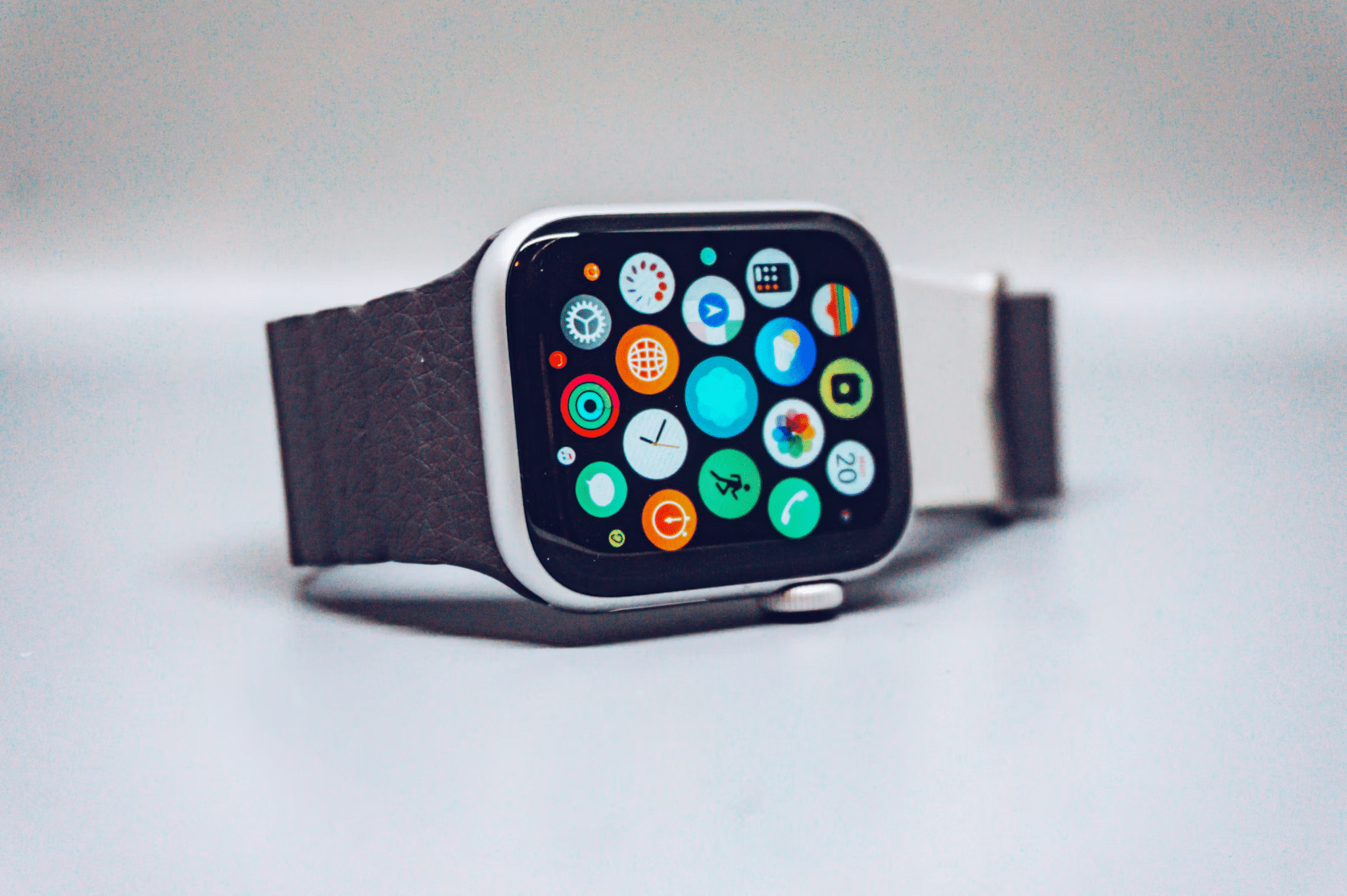
Identify your watch. Confirm the model, case size, and selected product variant before buying. Case size describes the watch body, not your wrist. The Series 12, announced in September 2026, comes in 42mm and 46mm cases, but a strap labeled 42mm still needs a generation-specific compatibility check. Integrated case-and-band designs also need to match your exact model. The connector that slides into the watch is separate from the closure around your wrist, so check both in the listing.
Measure your wrist. Wrap a soft tape measure, or a strip of paper you later lay against a ruler, around the spot where you wear the watch. Compare that measurement with the wrist range on the listing. If the sizing information looks inconsistent, ask the seller to confirm it before ordering.
Check the fit in motion. Apple’s guidance is that the watch should be snug but comfortable. When you can try the strap, type, lift a bag, and push up a sleeve. Check whether it pinches, slides, or needs adjustment during those movements.
Choose a Closure You Can Adjust
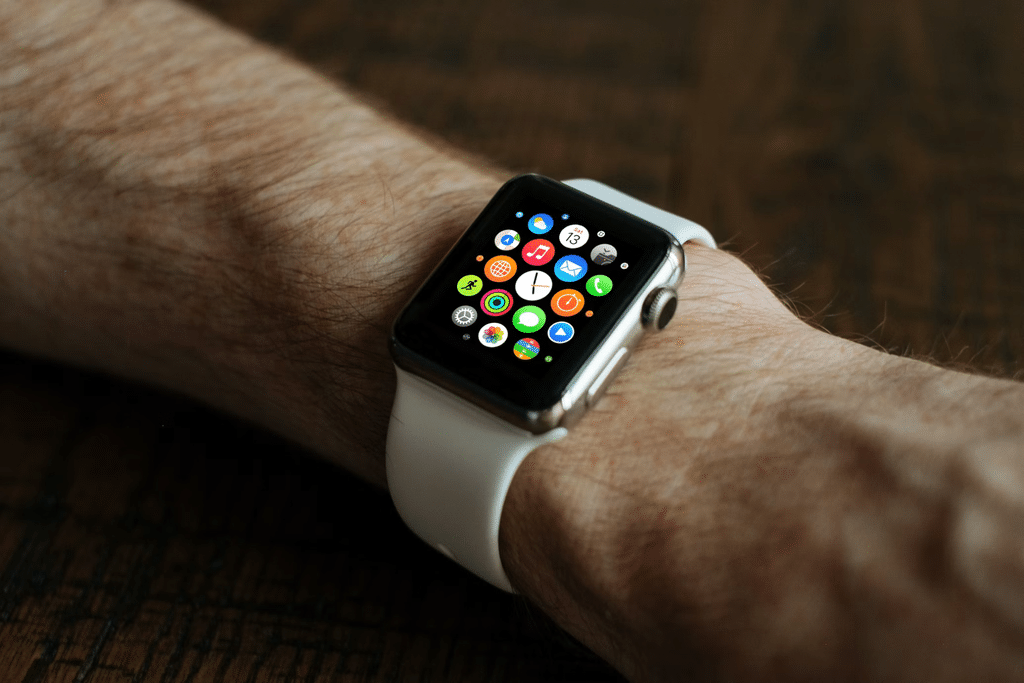
The closure is the part you handle every day. A label such as “loop” doesn’t fully explain how it adjusts, so look at the mechanism itself.
Hook-and-loop. Apple’s Sport Loop uses a hook-and-loop fastener that the company describes as quick and easy to adjust. Some nylon outdoor bands pair the same fastening with rectangular vented openings for airflow. UAG’s Active Strap combines a hook-and-loop fastener with stainless-steel hardware and an adjustable tension-lock slider. This kind of fastening allows small fit adjustments without relying on fixed holes. Check how the folded fabric tab would sit under a shirt cuff.
Pin-and-tuck or buckle. NOMAD’s Sport Band uses a pin-and-tuck closure, while a classic buckle has a tongue that fits into a row of holes. With either design, check the adjustment range and spacing between settings. If your comfortable fit falls between two holes, finding a suitable setting may be difficult.
Magnetic fastening. Some magnetic bands pair a mechanical lock with a built-in magnet, while others rely on the magnet alone. Magnetic designs differ, so check how each fastener closes and whether it includes a separate locking mechanism.
Look at where the hardware will sit when your wrist rests on a desk. If you can handle a sample before buying, check whether the clasp presses into your wrist or catches on a sleeve.
If you want an adjustable apple watch band that can handle weekend hikes as well as the workweek, Bandletic’s outdoor collection lets you filter by watch compatibility, size, material, and closure, then confirm the wrist range on the listing you choose.
Match the Material to Your Day
Comfort is personal, so match the material to what you wear and do most days rather than assuming one material will suit everyone.
| Look | Material or construction | Styling and buying considerations |
| Woven fabric | Nylon, braided loops | Pairs with casual layers; check the thickness under a cuff |
| Smooth sport style | Silicone, rubber | A simple look for casual outfits; check the cleaning instructions |
| Dressier | Leather, metal | Can suit tailored outfits; check care instructions before water exposure |
The watch’s water-resistance rating doesn’t establish that every band material is suitable for water. Check the care and activity instructions for the specific band before you shower, swim, or exercise in it.
Coordinate the color. Repeat a color already present in your outfit. You can also coordinate the hardware with other accessories without matching every detail.
Buy for your routine. Start with one strap that suits most of your week. A second one for workouts or dressier evenings is optional. Price alone won’t tell you much either: Apple’s Sport Loops list at $49.00 in the US, while some nylon outdoor bands cost less, but neither price is evidence that a strap will feel more comfortable.
Read the return conditions before ordering, since some sellers don’t accept returns based on personal preference.
Conclusion
A comfortable Apple Watch strap starts with accurate compatibility and a realistic wrist measurement. Then choose the closure, material, and color that fit your routine. Check care, return, and variant details before ordering so the finished look works from weekday errands to a night out.
FAQs
How tight should the strap feel?
Aim for a snug but comfortable fit. Check that the watch stays in place during normal movement without pinching or pressing uncomfortably against your wrist.
Can I reuse a strap from an older model?
Possibly, but confirm compatibility with your exact generation and case size. A matching size label alone isn’t enough, especially when the design includes a fitted case.
Can every strap be worn in water?
No. The watch’s water-resistance rating doesn’t apply to every band material. Check the specific strap’s care instructions before swimming or showering.
What should I check before buying an integrated case band?
Confirm the exact watch generation, case size, and selected variant. Do not rely on a matching nominal size, because some integrated designs exclude specific models.