How to Create a Beginner-Friendly Strength Training Area With Pin-Loaded Machines
Starting a strength training routine can feel intimidating for people who are unfamiliar with gym equipment, exercise techniques and resistance settings. While experienced gym members may feel comfortable using free weights and advanced training equipment, beginners often benefit from a more structured environment where they can learn fundamental movements at their own pace. Creating a dedicated strength training area that prioritises accessibility, comfort and ease of use can help fitness facilities provide a more welcoming experience for new members.
Pin-loaded strength machines are particularly useful in beginner-friendly training environments because they allow users to adjust resistance through a simple weight selection system. Rather than manually loading weight plates, members can select an appropriate resistance using an integrated weight stack. When choosing pin loaded machines for commercial gyms, facility owners should consider equipment variety, adjustability, safety features and the overall layout of the training area. A thoughtful approach to equipment selection can help beginners develop confidence while supporting consistent strength training habits.
Understanding Why Beginners Benefit From Pin-Loaded Machines
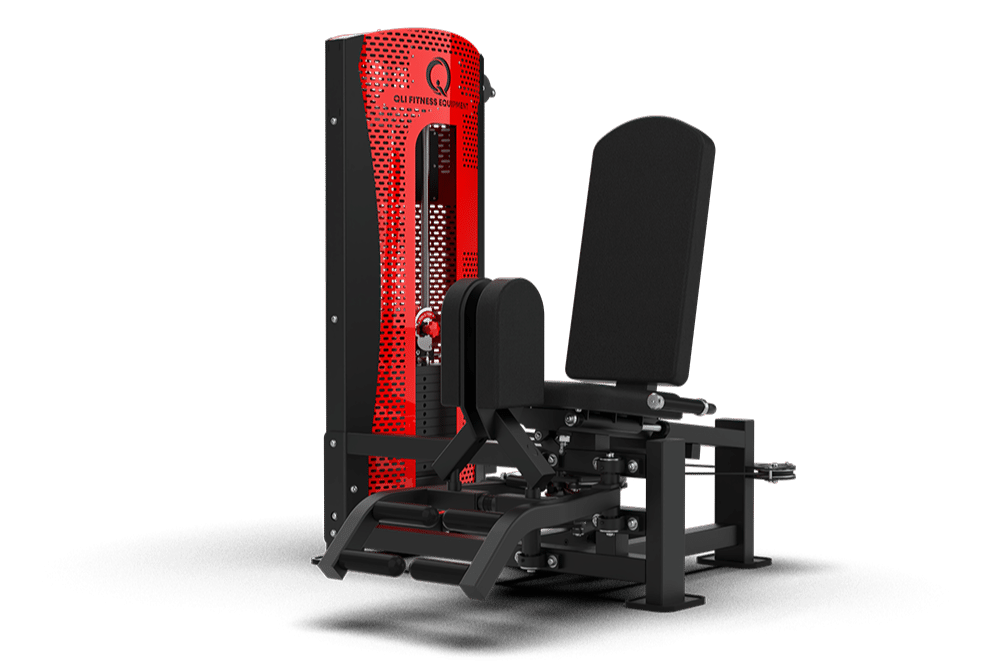
Pin-loaded machines, also known as selectorised strength machines, use an integrated weight stack connected to a movement mechanism. Users select their preferred resistance by positioning a pin within the stack. This design makes it relatively straightforward to adjust the load between sets or exercises without handling separate weight plates. For beginners, the simplicity of this system can make the initial experience of resistance training less complicated.
Many selectorised machines also guide users through a defined movement path, which can help them become familiar with particular exercises. However, guided movement does not eliminate the need for correct positioning, suitable resistance or appropriate technique. Beginners still need to understand how to adjust the equipment and perform movements comfortably. Providing clear instructions and access to qualified fitness professionals can help new members use the machines effectively while developing confidence in their training abilities.
Selecting Essential Machines for Full-Body Training
A beginner-friendly strength training area should provide equipment that supports major muscle groups without overwhelming members with too many similar options. Rather than filling the space with specialised machines, gym owners can prioritise versatile equipment that allows users to perform a balanced selection of exercises. Chest press, seated row, lat pulldown, leg press and leg curl machines are common examples that can support different areas of the body.
The final equipment selection should reflect the facility’s available space, membership demographics and training objectives. For example, a gym serving a broad range of ages and fitness levels may benefit from machines with accessible entry positions and straightforward adjustments. Equipment that supports pushing, pulling and lower-body movements can provide a practical foundation for introductory strength programs. As the facility develops, additional machines may be introduced based on member demand and available resources.
Prioritising Adjustable and Comfortable Equipment
One of the most important considerations when selecting strength machines is whether they can accommodate users with different body sizes and proportions. Adjustable seats, backrests and starting positions can help members align their bodies correctly with the machine’s movement mechanism. Poor positioning may make exercises uncomfortable or prevent users from performing movements through an appropriate range of motion.
Gym owners should evaluate how easily adjustments can be made and whether the settings are clearly marked. Equipment with intuitive controls can reduce confusion, particularly for members who are unfamiliar with resistance training. Comfortable seating, stable support surfaces and accessible handles can also contribute to a more positive training experience. However, not every machine will suit every individual, even when adjustments are available. Providing alternative exercises and professional guidance can help accommodate members with different physical requirements.
Creating a Clear and Accessible Gym Layout
The arrangement of equipment can influence how comfortable beginners feel when entering a strength training area. A crowded or confusing layout may make it difficult for new members to understand where to begin or how to move between exercises. Organising machines logically can create a more approachable environment and help members navigate their workouts with greater confidence.
One approach is to group equipment according to the muscle groups or movement patterns they support. For example, upper-body pushing and pulling machines may be positioned near each other, while lower-body equipment occupies a separate section. Sufficient clearance should be maintained around machines to allow safe access, adjustments and movement. Walkways should remain free from obstacles, and equipment should not obstruct emergency exits. Gym owners should also consider accessibility requirements and ensure that the layout supports members with different mobility needs wherever practical.
Providing Clear Instructions and Exercise Guidance
Even when strength machines are straightforward to operate, beginners may not understand how to select an appropriate resistance or adjust the equipment correctly. Clear instructional signage can help explain the purpose of each machine, the relevant adjustment points and the basic movement involved. Visual diagrams may also assist members who are unfamiliar with exercise terminology.
However, written instructions should complement rather than replace practical guidance. Introductory gym orientations and supervised sessions can help beginners learn how to use equipment correctly and recognise when a movement feels unsuitable. Fitness professionals can demonstrate appropriate positioning, explain controlled movement and assist members in selecting manageable starting resistance. Encouraging new members to ask questions can also create a more supportive training environment. When users understand how to operate equipment confidently, they may be more willing to maintain a consistent exercise routine.
Supporting Progressive Strength Training
Progressive overload is an important principle of strength training. It involves gradually increasing the demands placed on the body as strength and exercise capacity improve. Pin-loaded machines can support this process because users can adjust resistance by selecting different positions within the weight stack. This makes it possible to monitor changes in training loads over time.
For beginners, progression should be gradual and based on appropriate exercise technique rather than increasing resistance as quickly as possible. A member may initially focus on learning the movement, completing repetitions comfortably and maintaining control throughout the exercise. As their ability improves, resistance or other training variables may be adjusted. The available weight increments vary between machines, so some equipment may provide more gradual progression than others. Gym owners should consider these differences when choosing machines intended for members with limited strength training experience.
Maintaining Equipment for Safe and Reliable Use
Regular maintenance is essential in any commercial fitness facility, particularly where equipment is used frequently by members with different levels of experience. Pin-loaded machines contain components such as cables, pulleys, weight stacks, guide rods and selector pins that require inspection and appropriate maintenance. Wear or damage to these parts can affect how the equipment operates and may create safety concerns.
Gym operators should establish maintenance procedures based on manufacturer recommendations and the frequency of equipment use. Routine checks may include inspecting cables for damage, confirming that selector pins engage correctly and ensuring that moving components operate smoothly. Machines showing signs of malfunction should be taken out of service until they have been assessed and repaired. Cleanliness is also important, as regularly maintained seats, handles and adjustment mechanisms contribute to a more comfortable training environment. Consistent maintenance supports equipment reliability and helps protect the facility’s investment.
Making the Strength Training Area More Welcoming
Equipment selection is only one part of creating a beginner-friendly training environment. The atmosphere of the gym can also influence whether new members feel comfortable using strength machines. Clear signage, approachable staff and an organised layout can reduce uncertainty and make the training area easier to navigate. Members who feel supported may be more willing to explore unfamiliar equipment and establish regular exercise habits.
Gym owners can also consider offering introductory strength programs, equipment demonstrations and opportunities for members to receive guidance from qualified trainers. These services can help beginners understand how to structure workouts and use different machines effectively. Providing a welcoming environment does not require separating beginners from experienced members entirely. Instead, the goal is to ensure that people with different training backgrounds can access suitable equipment and feel comfortable participating in strength training.
Conclusion
Creating a beginner-friendly strength training area requires careful consideration of equipment selection, layout, accessibility and ongoing maintenance. Pin-loaded machines provide a practical option because their integrated weight stacks allow straightforward resistance adjustments and their guided movement patterns can help users become familiar with fundamental exercises. When combined with appropriate instruction, they can support a more approachable introduction to resistance training.
For commercial gym owners, the objective should be to create a space that accommodates different abilities while encouraging safe and consistent exercise habits. Selecting adjustable machines, organising equipment logically and providing clear guidance can improve the experience for new members. By focusing on usability, comfort and long-term equipment reliability, fitness facilities can develop strength training areas that support beginners as they build confidence and progress towards their fitness goals.