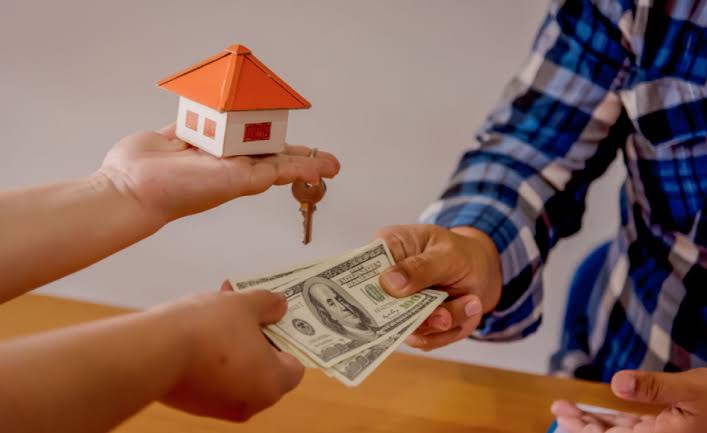
What to Expect When Selling a House for Cash
Selling a home the traditional way involves a lot of waiting. You list it, schedule showings, field offers, negotiate terms, and then cross your fingers that the buyer’s mortgage clears. The whole process can drag on for months. Cash sales work differently. They strip out the lender, cut the timeline, and simplify the transaction, but they come with trade-offs that every seller should understand before signing anything.
How Cash Sales Actually Work
The basic concept is straightforward. A buyer, typically an investor, a house-flipping company, or an individual with liquid funds, submits an offer without relying on a mortgage. No bank involvement can mean no appraisal requirement, no underwriting delays, and no risk of financing falling through at the last minute. If you’re looking to sell house for cash NJ or anywhere else with a competitive market, you’ll likely encounter several types of cash buyers: local investors, national “we buy houses” companies, and iBuyers that use algorithms to generate offers. Each operates a little differently, and knowing who you’re dealing with matters.
The Timeline Shrinks Considerably
Traditional home sales take anywhere from 45 to 90 days on average once you accept an offer. Cash transactions can close in as little as seven to fourteen days. Without a lender in the picture, there’s no loan processing period, no back-and-forth over conditions, and no waiting for an appraiser to confirm the home’s value. For sellers who need to move quickly, whether due to a job relocation, financial pressure, or an inherited property they don’t want to manage, that speed carries real value.
You’ll Probably Get a Lower Offer
This is the part nobody loves hearing, but it’s important. Cash buyers typically offer below market value. That’s the trade-off for speed and convenience. Depending on the property’s condition and location, cash offers might come in 10 to 30 percent lower than what you’d get from a traditional buyer with financing. Investors need room for profit after repairs and holding costs. That margin comes out of your sale price. It doesn’t mean the deal is bad; it means you need to weigh the discount against the time and hassle you’re saving.
Repairs Usually Aren’t Required
Most cash buyers purchase properties as-is. That leaking roof, the outdated kitchen, and the cracked foundation are all aspects that are factored into the offer price instead of asking you to fix them first. For sellers sitting on a home that needs significant work, this can be a relief. Sinking $30,000 into renovations before listing doesn’t guarantee you’ll recoup that cost, especially in a cooling market. Selling as-is removes that gamble entirely.
Due Diligence Still Happens
Cash doesn’t mean careless. Reputable buyers will still conduct a title search to confirm clean ownership. Many will order a basic inspection, though they’re less likely to use the results to renegotiate aggressively. You’ll still sign closing documents, pay any outstanding liens, and transfer the deed through a title company or attorney. The paperwork is lighter than a financed sale, but it doesn’t disappear completely.
Watch Out for Red Flags
All cash buyers do not have good intentions. High-pressure tactics, contracts with hidden fees, and offers that seem too good to be true may be employed by some of them. Legitimate cash buyers won’t rush you into signing something you haven’t read. They won’t charge upfront fees before closing. And they’ll provide proof of funds without hesitation. If someone can’t show you a bank statement or a verified letter from a financial institution, walk away. Plenty of honest buyers exist, but so do opportunists looking to take advantage of sellers in difficult situations.
Is a Cash Sale Right for You?
That depends entirely on your priorities. A cash sale is not the right choice for every seller. A regular sale may bring a higher price. That said, it can also take more time and call for more work. A cash buyer may offer a faster and easier process. And this can, in turn, help if the house needs to be repaired or you need to move soon.
Look at the price, closing costs, and timeline before accepting an offer. Be sure to read the agreement carefully. Ask questions about everything you don’t understand. Don’t be in a hurry to make a deal just because the buyer promises a fast sale.