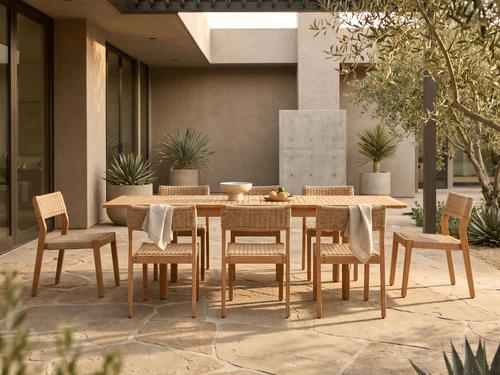
How to Create a Comfortable and Functional Outdoor Dining Space at Home
An outdoor dining area can make a patio, deck, or garden more useful for everyday meals and gatherings. A successful setup depends less on filling the space with furniture and more on planning around movement, weather, comfort, and the way the household actually uses the area.
Start With the Right Location
Before choosing furniture, decide where outdoor dining makes the most sense. A location close to the kitchen can make carrying food, drinks, and dishes easier. At the same time, consider noise, privacy, views, and how the sun moves across the property during typical dining hours.
Look overhead and around the proposed area as well. Trees may offer welcome shade but can also drop leaves or debris onto the table. Roof overhangs and covered patios provide protection from light rain, while exposed decks may require additional shade.
The ground surface matters too. Dining furniture works best on a stable, reasonably level surface where chairs can move without catching on loose gravel, uneven pavers, or soft soil.
Measure More Than the Table
One common planning mistake is measuring only enough room for the table itself. Chairs need space to move backward, and people need to walk behind occupied seats without constantly asking someone to move.
Measure the full usable patio area and note doors, steps, posts, outdoor kitchens, planters, grills, and other permanent features. When comparing furniture from sources such as Jardina Furniture or other outdoor furnishing retailers, use the listed dimensions to judge the complete footprint rather than relying on photographs alone.
It can help to mark the proposed table dimensions on the ground with painter’s tape or temporary objects. Then place chairs around the outline and test common walking routes. This simple exercise can reveal whether a furniture arrangement feels comfortable before anything is purchased.
Match the Dining Set to Everyday Use
A large table may seem useful for occasional gatherings, but it can make a modest patio difficult to use every day. Start with the number of people who regularly eat outdoors and then consider how often additional guests visit.
Households that usually dine as a couple or small family may prefer a compact arrangement with enough flexibility for occasional entertaining. Larger families may benefit from rectangular or extendable layouts where the available space allows them.
When comparing Jardina modern patio dining sets or similar furniture options, pay attention to table dimensions, chair width, and the amount of clearance required when every seat is occupied.
Avoid filling every available corner simply because furniture fits on paper. Some open floor area makes the patio easier to use and gives the dining zone a more relaxed appearance.
Plan for Sun, Rain, and Wind
Outdoor furniture is exposed to conditions that indoor dining furniture never faces. Think about how much direct sunlight reaches the area, whether rain blows under nearby cover, and whether strong winds are common around the property.
Shade can come from a permanent roof, pergola, umbrella, or another suitable structure. The right solution depends on the patio layout and how frequently the area is used.
Wind also affects smaller details. Lightweight accessories, table linens, and decorative items may become inconvenient in exposed locations. Where possible, arrange the dining zone so walls, fencing, landscaping, or existing structures provide some natural shelter without blocking ventilation.
Balance Seating Comfort With Maintenance
Comfortable chairs encourage people to stay at the table longer, but heavily cushioned seating may require additional care. Before adding cushions, consider where they will be stored during rain or long periods of non-use.
Furniture should also suit the amount of maintenance the household is prepared to handle. Cleaning requirements vary between materials, so follow the manufacturer’s care instructions rather than using one cleaning method for every surface.
Routine care is often simpler when dirt, leaves, food residue, and standing water are removed before they accumulate. Covers or sheltered storage may also be useful during long periods when the dining area is not being used.
Add Practical Lighting and Shade
Outdoor dining should remain functional after the afternoon sun disappears. Lighting needs to make food, steps, and walking areas visible without creating uncomfortable glare.
Wall lights, overhead fixtures, or carefully positioned portable outdoor lighting can provide useful illumination. Pay particular attention to transitions between the dining area and the house, especially where steps or changes in floor level are present.
Shade should be planned with similar care. Check the sun’s position during the hours when the patio is normally used instead of assuming that shade at midday will still cover the table in the evening.
Keep the Final Layout Simple
A functional outdoor dining space should make sitting down, serving food, moving chairs, and walking around the table feel straightforward. Start with accurate measurements, choose furniture according to normal household needs, and leave enough unused space for comfortable circulation.
A well-planned area does not need to be crowded with furnishings or decorations. When the layout responds to the available space, local weather exposure, maintenance needs, and everyday routines, outdoor dining becomes easier to enjoy throughout the times of year when the space is in use.