Used Ford Trucks and SUVs for Ann Arbor Families
Choosing a used vehicle for a family means balancing passenger space, cargo capacity, comfort, safety, and everyday practicality. Ford offers a wide range of trucks and SUVs that can suit different family routines, from school runs and commuting to weekend trips and hauling larger items. If you are also comparing New Ford Models for sale near Ann Arbor, looking at used Ford trucks and SUVs can help you understand which features matter most before choosing a vehicle. The key is to match the vehicle’s capabilities with your family’s actual needs.
Consider the Family’s Passenger Needs
The number of people you regularly transport should be one of the first considerations. A two-row SUV may be sufficient for a smaller family, while households with several children may benefit from a three-row model.
The Ford Explorer, for example, offers three-row seating and is available with family-oriented technology and convenience features. Ford’s 2026 Explorer lineup includes available features such as a second-row bench seat and optional convenience equipment that includes power-folding third-row seats on certain configurations.
Think About Cargo Space
Families often need more cargo room than they initially expect. Strollers, sports equipment, groceries, luggage, school supplies, and outdoor gear can quickly fill a vehicle.
When comparing used Ford SUVs, open the rear cargo area and test how easily everyday items fit. Consider whether the rear seats fold flat and whether you can carry passengers and cargo at the same time.
Larger Ford SUVs can provide substantially more flexibility. The Expedition, for example, is designed around three-row passenger and cargo needs, with available configurations offering seating for up to eight people.
Compare SUVs With Pickup Trucks
An SUV is often convenient for families because it combines enclosed passenger seating with a dedicated cargo area. A pickup truck can be more useful when the family regularly transports bulky, dirty, or oversized items.
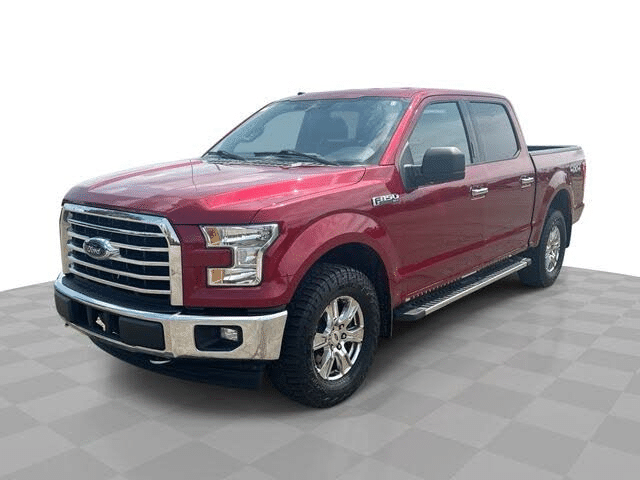
The Ford F-150 is available with different engines, cab configurations, drive systems, and towing-oriented equipment. Current F-150 configurations can include features such as selectable Tow/Haul and Slippery drive modes, trailer sway control, and available four-wheel drive.
For families that occasionally tow a trailer, haul equipment, or use their vehicle for home projects, a used F-150 can provide a different type of versatility than an SUV.
Consider Winter Driving
Ann Arbor families need to think about changing Michigan weather when selecting a used Ford. Snow, ice, and wet roads can make traction and visibility important considerations.
When comparing vehicles, check whether a particular model has four-wheel or all-wheel drive, but also inspect the tires carefully. Good tires and appropriate tread remain important regardless of drivetrain. If considering a used truck, check whether four-wheel drive operates correctly and whether the previous owner maintained the system properly.
Examine Safety and Driver-Assistance Features
Safety equipment can vary considerably between Ford model years and trim levels. When comparing used vehicles, check the exact equipment installed rather than assuming every model has the same features.
For example, current F-150 configurations can include BLIS with Cross-Traffic Alert, AdvanceTrac with Roll Stability Control, a rearview camera, and four-wheel anti-lock brakes.
Technology such as cameras and driver-assistance systems can provide useful information, but families should still consider visibility, seating position, braking performance, and overall vehicle condition.
Look for Family-Friendly Interior Features
Interior convenience can make a noticeable difference during everyday family driving. Look for rear-seat USB ports, accessible cupholders, storage compartments, adjustable seating, easy-to-clean materials, and climate controls that are convenient for passengers.
On larger Ford SUVs, available features can include heated seats, power-folding rear seats, and flexible seating arrangements. The Expedition, for example, has been designed with multiple storage and seating configurations to help families manage passengers and cargo.
Check Technology and Connectivity
Modern families often rely on smartphones, navigation, entertainment, and connected services while traveling. When comparing used Ford models, check the vehicle’s infotainment system, smartphone compatibility, available USB connections, and navigation features.
Technology availability varies by model year and trim. Ford notes that Connected Navigation, for example, is available on selected vehicles equipped with specific SYNC systems, including certain F-150, Explorer, Expedition, Ranger, Maverick, and other models.
Consider Towing and Recreation Needs
If your family enjoys boating, camping, trailers, or outdoor activities, towing capability may influence your choice. However, towing capacity varies substantially by engine, drivetrain, configuration, and equipment.
The F-150 offers multiple powertrains and available towing-oriented features, while larger SUVs such as the Expedition can also provide substantial towing capability alongside three-row seating.
Always verify the exact towing rating for the specific used vehicle rather than relying on the maximum rating advertised for an entire model lineup.
Inspect a Used Vehicle’s Condition
Features matter, but condition should be a major part of any used-vehicle comparison. Examine the tires, brakes, suspension, lights, windshield, body panels, and interior. Look for signs of accident damage, corrosion, fluid leaks, or neglected maintenance.
Review available service records and vehicle-history information. A vehicle with fewer miles is not automatically the better-maintained option, so compare maintenance history with mileage and age.
Take a Thorough Test Drive
A test drive can help you determine whether the vehicle actually works for your family. Bring the family members who will regularly use the vehicle, if practical, and check passenger space in every row.
Test acceleration, braking, steering, parking visibility, climate controls, infotainment functions, and seat adjustments. For a pickup truck, consider bed access and whether the cab provides enough room for passengers and child-safety seats.
Match the Vehicle to Your Lifestyle
Different families have different priorities. A smaller SUV may make sense for primarily urban driving, while a three-row SUV can provide additional passenger and cargo flexibility. A pickup may be more practical for families that regularly tow, haul, or take on outdoor projects.
Think about your typical week rather than choosing a vehicle based only on occasional needs. This can help prevent paying for capabilities you rarely use while ensuring the vehicle handles the tasks that matter most.
Conclusion
Used Ford trucks and SUVs can provide families with different combinations of passenger space, cargo flexibility, technology, winter capability, and towing potential. When comparing them, consider your family’s seating and storage requirements, driving conditions, safety features, technology needs, and recreational activities. Most importantly, evaluate the specific vehicle’s maintenance history and physical condition. A careful comparison and thorough test drive can help you identify a used Ford that fits your family’s everyday routine and longer-term transportation needs.