What Riders Should Compare Before Buying Their Next Motorcycle
Buying a motorcycle is exciting. It is also easy to get carried away. A bike might look great in photos, but the real question is whether it fits the way you ride, your body, and your budget. A little comparison before you buy can save you money and help you enjoy the bike for years.
Whether you are stepping up from your first bike or coming back after a break, these points will help you choose with confidence.
Start with Your Riding Style
Before you compare any models, think about how you will actually ride. Motorcycles are built for different jobs, and no single bike does everything well.
Cruisers are relaxed and comfortable for cruising around town or on open roads. Sport bikes are quick and sharp, but they ask more from your body. Adventure bikes are tall, tough, and made for long trips that may include gravel roads. Standard or naked bikes are simple and flexible, which makes them a favourite for everyday riding. Competition and off road machines are built for dirt tracks and trails, and are usually not meant for the street.
Be honest about your daily routine. If you commute in traffic five days a week, a light and easy bike will suit you better than a race style machine.
Engine Size and Power Delivery
Engine size is one of the first numbers people look at, and it is easy to focus on it too much. Bigger does not always mean better. A larger engine gives more power, but it also adds weight, cost, and fuel use.
Compare how power is delivered, not only how much there is. Some engines are smooth and forgiving at low speeds, which helps new riders and city commuters. Others feel wild once you twist the throttle. Torque matters as well, since it affects how easily the bike pulls away and climbs hills. Choose an engine that matches your skill level today, with a little room to grow.
Fit, Weight, and Comfort
A motorcycle should fit you like a good pair of boots. Seat height, handlebar reach, and footpeg position all shape how comfortable you will feel after an hour in the saddle.
Sit on every bike you are considering. Can you plant both feet firmly, or only your toes? Do your arms reach the bars without stretching? Can you lift the bike off its side stand without strain? Weight matters most at low speed, such as when you are parking, turning around, or moving through a parking lot. A heavy bike can feel great on the highway and awkward in a driveway.
Compare Brands and Models Side by Side
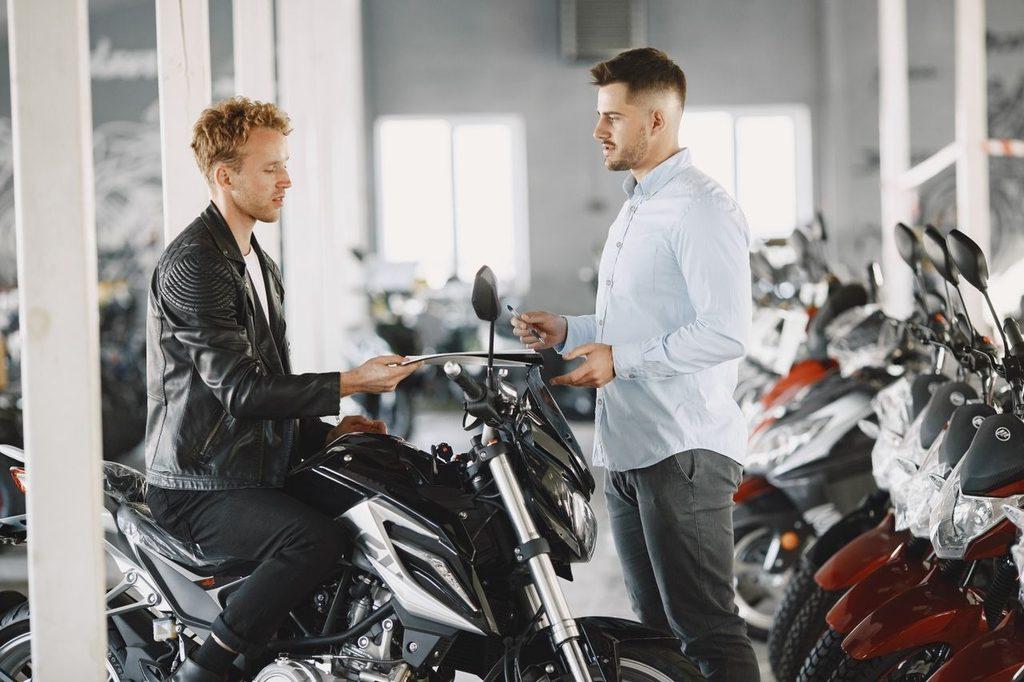
Reading reviews is helpful, but nothing replaces seeing bikes in person. Standing beside two or three models shows you differences that specifications never will, such as build quality, seat comfort, and the feel of the controls.
A dealer with a wide range makes this easier. For example, Rockland Wheels’ motorcycle selection includes new Honda, Kawasaki, Surron, and Royal Enfield motorcycles, with Honda adventure and competition models among them. That variety lets riders compare very different styles in one visit.
When you visit, bring your list of needs. Ask about warranty coverage, service intervals, and how easy it is to find parts. A great bike is even better when support is close by.
Technology and Safety Features
Modern motorcycles come with more electronics than ever. Some of these features are genuinely useful, and some are simply nice to have.
Anti lock brakes are one of the most valuable safety features, because they help prevent wheel lockup when you brake hard. Traction control and ride modes can make a powerful bike easier to manage in the rain or on loose surfaces. Some bikes offer an automatic style transmission, which suits riders who like less clutch work in heavy traffic. Compare what comes standard on each bike and what costs extra.
The Real Cost of Ownership
The price tag is only the start. Before you decide, compare the full cost of owning each bike.
Insurance can vary a lot between models and riding experience, so get quotes early. Add fuel, tires, oil changes, and regular servicing. Do not forget gear, since a helmet, jacket, gloves, boots, and pants are part of the real price. If you plan to finance, compare interest rates and payment terms, and check for any current promotions. A slightly cheaper bike with high running costs may end up more expensive over time.
Gear and Training Matter Too
The best bike still needs a prepared rider. Good gear and proper training make every ride safer and more fun.
Fanshawe College’s motorcycle training page is a useful reference. It lists the gear riders must bring to its courses, including a DOT approved helmet, eye protection, full finger gloves, a long sleeved jacket, long pants, and boots that cover the ankle. The college also offers a skills enhancement course that works for new riders or as a refresher for experienced ones. If you are returning to riding after a long gap, that kind of training can be worth as much as any accessory.
Final Thoughts
The right motorcycle is the one that fits your riding style, your body, and your budget. Compare engines and power, sit on every bike, look at the features that truly matter, and count the full cost. Then add proper gear and training to make the most of your choice. Take your time, ask questions, and test ride whenever you can.