From Passion To Enterprise: Building A Life Around Growing
Transforming a passion for plants into a profitable farm enterprise requires a clear plan, dedication, and the right equipment. Many growers start small with basic home gardens before deciding to scale their production to serve broader commercial markets.
Stepping up to a full scale agricultural business means changing focus from a personal hobby to structured management and consistent output. Establishing strong operational habits early sets the stage for continuous financial growth.
Turning a Backyard Hobby into a Real Operation
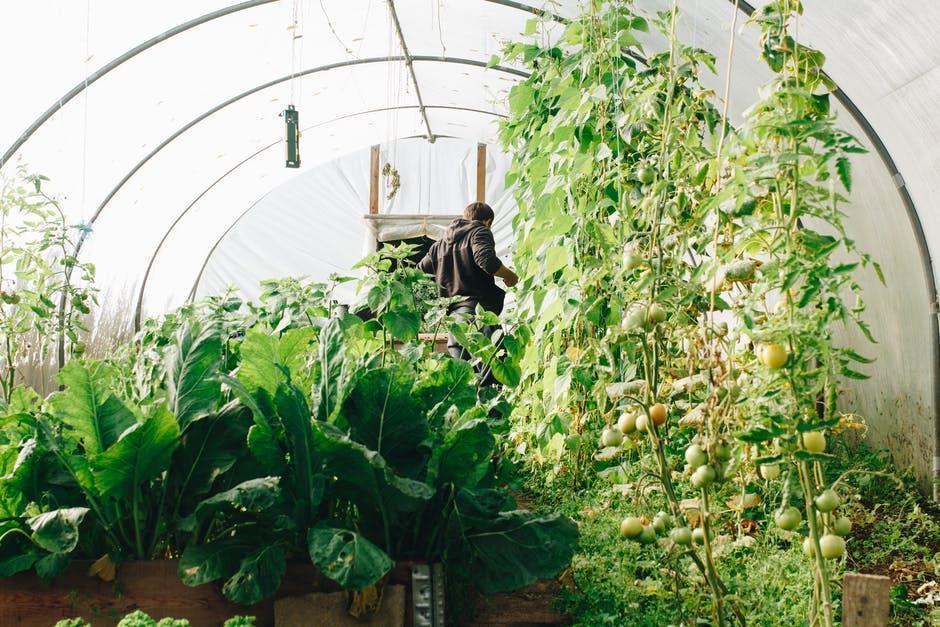
Growing high quality produce for friends and neighbors builds strong foundational skills. When expanding those initial efforts into a commercial venture, selecting reliable gutter-connected and freestanding greenhouses gives growers precise control over interior conditions throughout every season. That controlled setup shields crops against unpredictable weather patterns and protects your income stream. Building structured growing space transforms seasonal harvests into year-round commercial production.
Moving from personal cultivation to enterprise scale changes your daily responsibilities. You transition from casual weekend tasks to managing scheduled seeding, pest management, and order fulfillment. Maintaining uniform crop quality across larger spaces demands organized record-keeping and predictable daily routines. Your farm should meet commercial buyer expectations consistently.
Assessing Market Demand and Choosing Your Niche
Before purchasing physical materials, market research should guide your crop selection. Regional grocery stores, independent restaurants, and farm stands search for dependable suppliers of fresh greens or specialty items. Identifying gaps in local produce supplies helps you price items competitively and secure reliable buyers.
Finding Local Buyers
Direct sales to consumers through farm markets provide steady cash flow for new businesses. Building relationships with regional chefs can create consistent weekly revenue for specialized produce. Crafting supply agreements early guarantees that your expanded output finds eager purchasers. Diversifying your buyer base protects your business against sudden market fluctuations.
Scaling Up Physical Structure and Infrastructure
Expanding your growing footprint needs structural selections based on regional weather patterns. Heavy snow, high winds, and intense summer sun all influence which structural designs perform best year after year. Choosing sturdy framing materials protects your investment and prevents expensive downtime during severe weather events. Robust infrastructure provides a dependable foundation for long-term farm expansion.
Controlled environment agriculture operations recorded a 14 percent increase in commercial greenhouse acreage. The rapid physical expansion highlights how growers nationwide rely on covered structures to boost production capacity. Upgrading your physical footprint allows you to plant additional crop cycles per year without acquiring extra land. Increased spatial efficiency translates into higher annual harvests.
Managing Energy Costs for Long-Term Growth
Heating and cooling modern growing spaces can become a major operational expense if structures lack proper insulation. Installing energy curtains, efficient boilers, and automated vents helps maintain uniform temperatures within production zones. Smart heating strategies keep indoor growing environments stable and manage monthly utility expenditures. Minimizing heat loss during cold months preserves working capital for other farm priorities.
Commercial growers expanding into modern structural designs report operational energy savings of up to 20 percent when modernizing heating and climate systems. Lower utility expenses translate into higher profit margins for expanding operations. Investing in energy-efficient structures pays dividends month after month as operational scale grows. Lowering fixed costs improves financial resilience.
Streamlining Operations with Environmental Automation
Manual climate regulation consumes valuable labor hours that team members could spend on crop care or sales. Modern enterprise structures use automated systems to monitor temperature, humidity, and airflow around the clock. Automated sensors trigger exhaust fans, open motorized louvers, or deploy shade curtains when environmental parameters shift.
Integrated climate controls in enterprise greenhouses reduce labor costs for environmental management by approximately 25 percent. Reducing manual labor frees up staff to focus on harvesting, packaging, and business development. Automated environmental management reduces human error, protecting crop yields from sudden temperature swings. Reliable climate control creates predictable harvest schedules throughout the year.
Essential Equipment for Commercial Expansion
Upgrading from a small hobby garden to an enterprise farm requires modern equipment and specialized tools. Having reliable mechanical support in place keeps everyday tasks efficient and protects plant health. Some structural and operational additions include:
- Commercial drip irrigation lines that deliver precise moisture and nutrients directly to plant roots
- Automated ventilation fans and motorized intake louvers to maintain continuous airflow
- High-efficiency environmental controllers to track temperature and humidity in real time
- Heavy-duty staging benches to maximize vertical growing space inside production bays
Investing in these tools simplifies daily labor and creates repeatable growing conditions across every bay. Standardizing equipment makes training new workers straightforward as your farm business expands. Proper equipment selection prevents downtime during peak production cycles.
Moving from basic growing passion to a commercial business allows you to turn a personal interest into a lasting livelihood. With reliable structures and efficient operational systems in place, your farm enterprise can deliver fresh crops to your local community for years. Dedication to continuous improvement guarantees long-term commercial viability.